Cat friendly clinic

Administering medication to cats

Administering medication to cats

As a veterinarian, I see daily how much owners struggle with administering medication to their cats. Cats are sensitive, distrustful of changes, and immediately notice if something tastes or smells "unusual." At the same time, consistent and correct medication administration is crucial for effective treatments, preventing relapses, and minimizing side effects. This guide provides a structured overview, practical techniques, and concrete strategies that will noticeably simplify administering medication to cats.

Administering Medication to Cats Read More »

The unclean cat

The unclean cat

As a veterinarian, I see cats daily that suddenly urinate or defecate outside the litter box. A cat that isn't just being moody isn't communicating a problem – medical, behavioral, or both. It's frustrating for owners: the smell, the stains, the tension in the home. It's equally stressful for the cat: stress, pain, or insecurity. This article provides a structured, practical guide on how to correctly assess a cat's inappropriate litter box behavior, what the most common causes are, which diagnostic procedures are useful, and which changes to daily routines can actually help.

The Unclean Cat Read More »

Getting your cat used to going outside

Getting your cat used to going outside

As a veterinarian, I know that getting your cat used to going outside isn't a spontaneous act, but a structured process that takes health, behavior, environmental safety, and legal considerations into account. The goal is to enable your cat to develop controlled independence while minimizing risks such as traffic accidents, territorial disputes, infectious diseases, and stress. In this guide, I'll guide you step by step through all the phases—from medical requirements to training and equipment, all the way to the cat's first independent walk around the territory. I'll link to well-founded, international specialist sources so you can delve deeper if needed.

Getting your cat used to going outside Read More »

Diseases of the Norwegian Forest Cat

Diseases of the Norwegian Forest Cat

The Norwegian Forest Cat is considered a robust, original breed of cat originating from the forests of Scandinavia. Its thick coat, powerful muscles, and natural resilience make it a popular family cat. However, even this natural breed is subject to typical hereditary diseases and health risks that every cat owner should be aware of.
In this article, as a veterinarian, I explain the most common diseases of the Norwegian Forest Cat, discussing diagnosis, treatment, and prognosis, and showing you how to keep your cat healthy.

Diseases of the Norwegian Forest Cat Read More »

Dietary treatment of chronic kidney disease

Dietary treatment of chronic kidney disease

Dietary treatment of chronic kidney disease in cats is a key component in improving the quality of life and prolonging survival in affected animals. Chronic kidney disease (CKD) is one of the most common causes of death in middle-aged and older cats. Targeted nutritional therapy supports kidney function, reduces complications, and sustainably slows the progression of the disease. In this article, dedicated pet owners and students will learn comprehensively how to optimally design dietary treatment for chronic kidney disease in cats—from causes and symptoms to diagnosis and treatment, prevention, aftercare, and current research findings.

Dietary treatment of chronic kidney disease Read More »

Urinary stones Siamese

Urinary stones Siamese

Urinary stones in Siamese cats pose a serious health challenge that both dedicated pet owners and aspiring veterinarians should understand. This condition can significantly affect the urinary tract of Siamese cats and requires targeted diagnostics and individually tailored treatment approaches. Below, you'll learn everything you need to know about the causes, symptoms, diagnostics, and treatment options for urinary stones in Siamese cats, as well as current research findings.

Urinary stones Siam Read More »

Pancreatitis Coon

Pancreatitis Coon

Coon Pancreatitis – Symptoms, Diagnosis, Therapy & Research Coon pancreatitis is a serious disease that occurs particularly frequently in the Maine Coon cat breed. For dedicated pet owners and veterinary students, it is essential to understand the specifics of this disease in this breed. In this comprehensive article, you will learn everything you need to know about the definition, the

Pancreatitis Coon Read More »

Diabetes Shorthair

Diabetes Shorthair

Diabetes mellitus is a chronic metabolic disease characterized by a disorder of glucose metabolism. In the British Shorthair, diabetes usually manifests itself through insulin resistance or insulin deficiency. Insulin is the central hormone for regulating blood sugar levels. If insulin is missing or malfunctions, blood sugar levels rise, leading to various complications.

Diabetes Shorthair Read More »

Arthritis cat

Arthritis cat

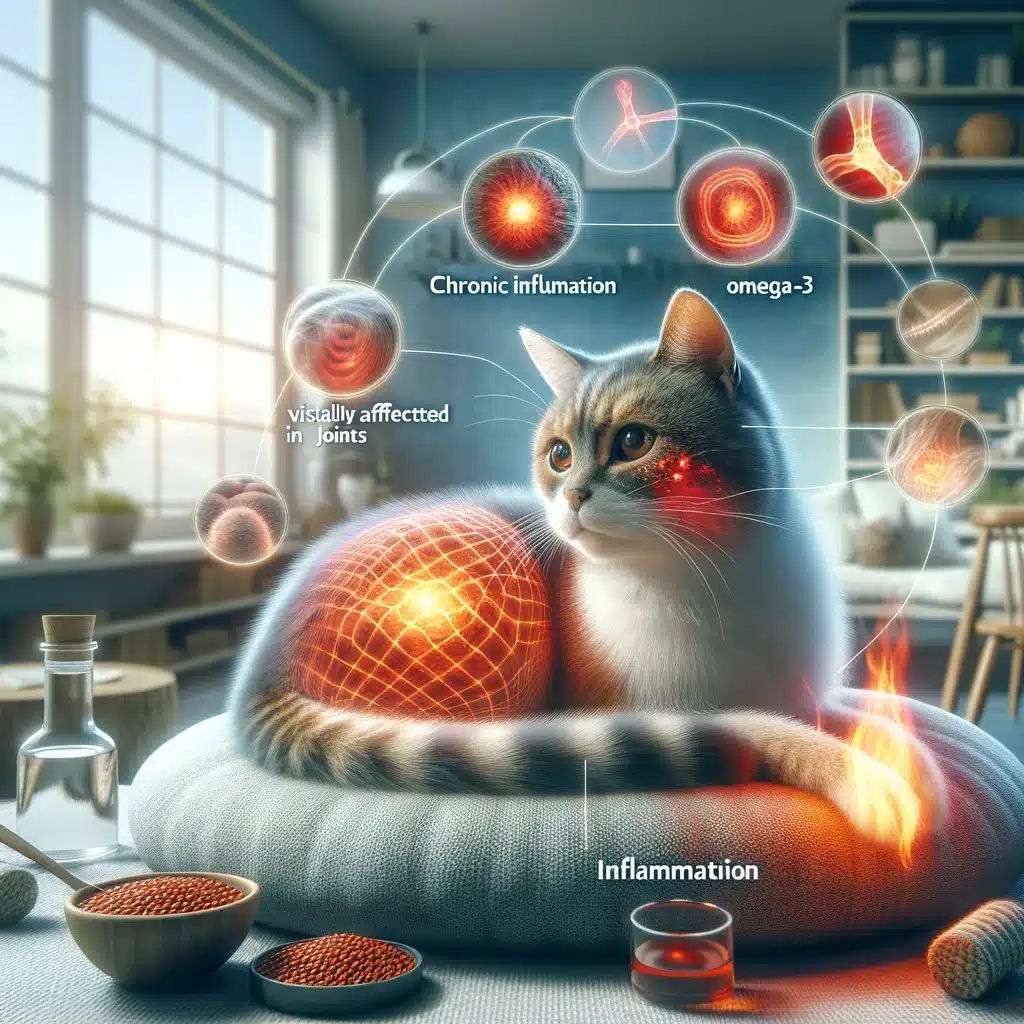
Cat Arthritis – Symptoms, Diagnosis, Therapy & Research Arthritis is a common joint disease that is also becoming increasingly prevalent in cats. Cat arthritis primarily affects older animals, but can occur at different stages of life and due to various causes. It is important for pet owners and veterinary students to recognize the symptoms early in order to initiate targeted treatment.

Arthritis Cat Read More »

Otitis Siam

Otitis Siamese cats

The health of our Siamese cats is important to us. Especially with specific diseases like otitis in Siamese cats, in-depth knowledge is essential for early detection of symptoms and targeted treatment. In this article, dedicated pet owners and students will learn everything they need to know about the causes, diagnostic procedures, and treatment options for otitis in Siamese cats. This way, you can ensure the long-term well-being of your furry friends.

Otitis Siamese cats Read More »

Gastritis in Maine Coons

Gastritis in Maine Coons

The Maine Coon is one of the most popular cat breeds worldwide, distinguished by its distinctive appearance and friendly nature. Despite their robust nature, Maine Coons are also susceptible to various diseases – one of which is gastritis. The topic of gastritis in Maine Coons is becoming increasingly important in veterinary practice, as early detection and appropriate treatment are crucial for the animals' well-being. In this comprehensive article, dedicated pet owners and students will learn everything they need to know about the causes, symptoms, diagnostics, and treatments of gastritis in Maine Coons, supplemented by current research findings and practical FAQs.

Gastritis in Maine Coons Read More »

Urinary stones shorthair

Urinary stones shorthair

Urinary stones are a common urological condition in cats, and they also play a significant role in British Shorthairs. The term "urinary stones in shorthairs" refers to the formation of mineral deposits in the urinary tract of this breed. It is essential for dedicated pet owners and veterinary students to understand the specifics of this condition in British Shorthairs. This comprehensive article provides you with everything you need to know about the causes, symptoms, diagnostic procedures, and treatment options – well-founded, practical, and up-to-date.

Urinary stones shorthair Read More »

Gastritis cat

Gastritis cat

Feline gastritis is a common condition affecting the stomach tissue and can occur in cats of all ages. It is important for dedicated pet owners and veterinary students to understand the complex interrelationships between causes, symptoms, and treatment options. This article provides a comprehensive overview of gastritis in cats—from definition and diagnostic methods to current research developments. This will help you make informed decisions and sustainably improve your cat's quality of life.

Gastritis Cat Read More »

Scroll up