Mycotherapy in the Arndt Small Animal Center: A comprehensive view
Introduction to mycotherapy
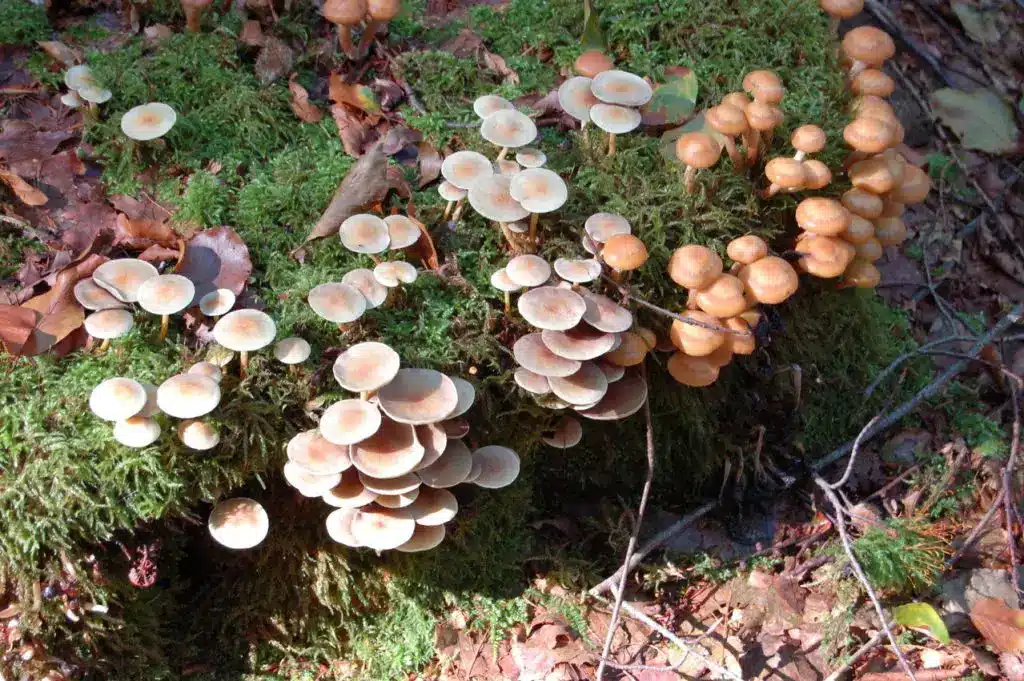
Mycotherapy is an alternative healing method that focuses on the use of mushrooms and their active ingredients to treat diseases in animals . Medicinal mushrooms have been used successfully in traditional Chinese medicine for thousands of years. More recently, mycotherapy also become more important at the Arndt Small Animal Center.
Areas of application of mycotherapy in the Arndt small animal center
Mycotherapy is used at the Arndt Small Animal Center to treat various diseases. These include:
- Strengthen the immune system : Mycotherapy can strengthen the immune system of animals and thus increase their resistance to disease.
- Reduce inflammation : Medicinal mushrooms contain bioactive substances that have anti-inflammatory effects and can therefore help treat inflammation.
- Treat metabolic problems : Mycotherapy can help regulate metabolism and therefore help treat metabolic problems such as diabetes or obesity.
- Accompanying cancer treatment : Medicinal mushrooms can inhibit the growth of cancer cells and can therefore be used as an adjunctive therapy in the treatment of cancer.
- Treat liver diseases : Mycotherapy can help detoxify and regenerate the liver and can therefore be used in the treatment of liver diseases.
The most important medicinal mushrooms in mycotherapy
Various medicinal mushrooms are used in the Arndt small animal center. The most important include:
- Reishi (Ganoderma lucidum) : The Reishi mushroom has immunomodulatory, anti-inflammatory and antioxidant properties. It can be used to strengthen the immune system and treat inflammation.
- Shiitake (Lentinula edodes) : The shiitake mushroom contains bioactive substances that strengthen the immune system and have an anti-inflammatory effect. It can be used to treat infections and inflammation.
- Maitake (Grifola frondosa) : The maitake mushroom has immunostimulating and antitumor properties. It can be used to strengthen the immune system and as an adjunctive therapy in the treatment of cancer.
- Cordyceps (Cordyceps sinensis) : The Cordyceps mushroom has energy-boosting, performance-enhancing and anti-inflammatory properties. It can be used to treat fatigue, strengthen the immune system and reduce inflammation.
- Hericium (Hericium erinaceus) : The Hericium mushroom has neuroprotective and regenerative properties. It can be used to support nerve function and to treat neurological diseases.
Mycotherapy in the Arndt small animal center: therapeutic approaches and forms of application
At the Arndt Small Animal Center, mycotherapy is individually tailored to the needs of the animals. The therapeutic approaches include:
Holistic diagnostics : Before starting mycotherapy, a comprehensive diagnostics is carried out to assess the animal's health and select the appropriate medicinal mushrooms.
Individual therapy plans : Based on the diagnosis, an individual therapy plan is created that includes the use of medicinal mushrooms in combination with other forms of therapy, such as acupuncture or physiotherapy.
Various forms of application : The medicinal mushrooms can be administered in various dosage forms, for example as powder, tablets or extracts. The choice of dosage form depends on the type of disease and the individual needs of the animal.
Accompanying measures : In order to support the success of the therapy, accompanying measures such as nutritional advice or behavioral changes are recommended at the Arndt Small Animal Center.
Studies on the effectiveness of mycotherapy
The effectiveness of mycotherapy is proven by numerous scientific studies. Examples of this are:
Reishi : Studies have shown that the Reishi mushroom strengthens the immune system, reduces inflammation and improves the quality of life of animals with cancer.
Shiitake : Studies have shown that the shiitake mushroom has antibacterial, antiviral and antifungal effects and can therefore be used to treat infections.
Maitake : Studies have shown that the maitake mushroom strengthens the immune system and inhibits the growth of cancer cells.
Conclusion: Mycotherapy in the Arndt Small Animal Center
Mycotherapy at the Arndt Small Animal Center offers a holistic and individually tailored treatment method for animals. Through the use of medicinal mushrooms and their bioactive substances, various diseases can be effectively treated. Mycotherapy can be used both as an independent form of therapy and in combination with other therapeutic approaches. Scientific studies support the effectiveness of mycotherapy and show the positive effects on animal health.
Outlook: Further development of mycotherapy in the Arndt Small Animal Center
Mycotherapy at the Arndt Small Animal Center is in constant development. Future research projects and clinical studies will help to expand knowledge about the effects of medicinal mushrooms and their possible uses. Collaboration with other institutions and experts is also sought in order to be able to tailor mycotherapy even better to the needs of animals.
Collaboration with pet owners for optimal therapeutic success
In order to ensure the best possible therapeutic success when using mycotherapy in the Arndt Small Animal Center, collaboration with animal owners is of great importance. Through regular communication and exchange of information, individual therapy plans can be created and adjusted. Involving animal owners in the therapy, for example by administering medicinal mushrooms at home or implementing accompanying measures, also helps to sustainably improve the animals' quality of life.
Mycotherapy in the Arndt Small Animal Center: Sustainable and natural treatment method
Mycotherapy at the Arndt Small Animal Center is a sustainable and natural treatment method that promotes the well-being of animals and increases their quality of life. The combination of traditional knowledge and modern research makes it possible to offer effective therapeutic approaches for a variety of diseases. The welfare of the animals is always our priority in order to guarantee them the best possible care and quality of life.