
Arndt Small Animal Center

Administering medication to cats

Administering medication to cats

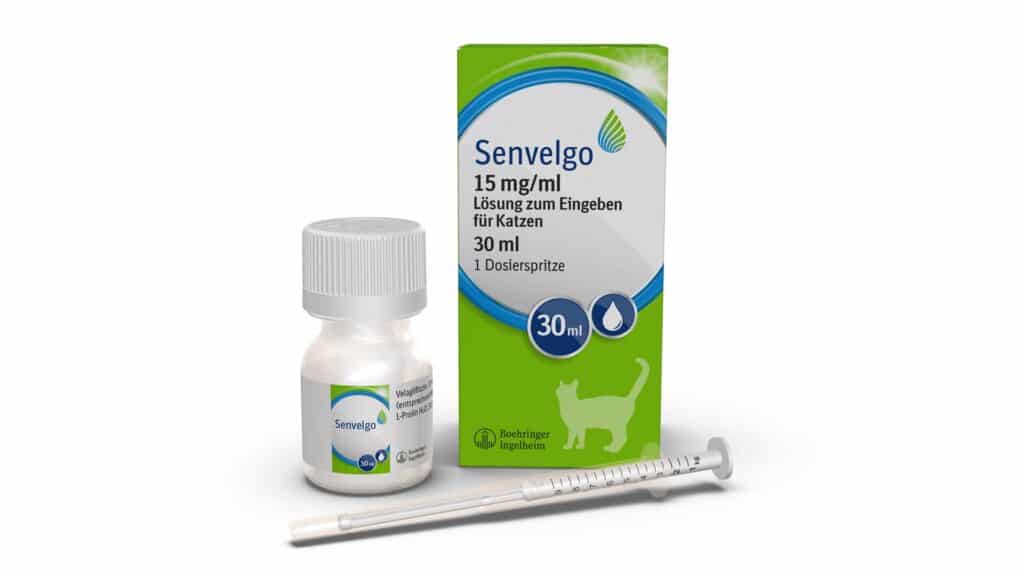
As a veterinarian, I see daily how much owners struggle with administering medication to their cats. Cats are sensitive, distrustful of changes, and immediately notice if something tastes or smells "unusual." At the same time, consistent and correct medication administration is crucial for effective treatments, preventing relapses, and minimizing side effects. This guide provides a structured overview, practical techniques, and concrete strategies that will noticeably simplify administering medication to cats.

Administering Medication to Cats Read More »

Shortening the soft palate of a pug

Shortening the soft palate of a pug

As a veterinarian, I am frequently asked by pug owners whether shortening the soft palate is a relevant topic for pugs – and if so, when, how, and with what risks. The pug is a brachycephalic breed, meaning it has a short skull. This head shape predisposes them to Brachycephalic Obstructive Airway Syndrome (BOAS), in which several constrictions in the upper respiratory tract converge. A key structure in this is the soft palate. If it is too long or too thick, it can obstruct airflow, leading to snoring, wheezing, exercise intolerance, coughing, gagging, increased panting, sleep disturbances, and, in extreme cases, life-threatening respiratory distress.

Shortening the soft palate of a pug Read More »

Nasal fold resection in pugs

Nasal fold resection in pugs

As a veterinarian, I am frequently approached by pug owners with the same concern: "My dog ​​squints, rubs his eyes often, and constantly has brown streaks from his tears – could this be due to the nasal fold?" In many cases, the answer is yes. Nasal fold resection in pugs is a targeted, minor plastic surgery procedure in which the protruding, hairy roll of skin (the so-called "nose roll") is removed or reduced so that the hair no longer rubs against the cornea. This constant rubbing – known medically as trichiasis – can irritate the cornea, leading to pigment deposits, chronic inflammation, and even painful ulcers. This phenomenon is part of the so-called brachycephalic eye syndrome, which is very common in pugs. International animal welfare and professional organizations describe in detail how the proximity between prominent eyes and skin folds is precisely what causes the cornea to be repeatedly irritated.

Nasal fold resection in pugs Read More »

Guinea pig breeds

Guinea pig breeds

As a veterinarian, I am frequently asked about the differences between guinea pig breeds: Which breed is right for whom? What kind of care do different coat types require? What health considerations should be taken into account? In this guide for pet owners, I systematically address the most important guinea pig breeds, explaining their temperament, housing and care requirements, as well as typical health issues – always with the aim of providing you with sound, practical guidance for making your decision. Additionally, at the end of this section, I provide links to reputable, English-language resources from abroad that you can use for further reading.

Guinea Pig Breeds Read More »

Development of tumors

Development of tumors

As a veterinarian, I am confronted daily with questions about the development of tumors in dogs and cats. The term tumor initially simply means "swelling"; however, in a medical context, we usually speak of a neoplasm, that is, newly formed tissue that escapes normal control. In order to make informed decisions—from early detection to treatment—it is crucial to understand how tumors develop biologically and what influencing factors play a role in our pets.

Development of Tumors Read More »

The unclean cat

The unclean cat

As a veterinarian, I see cats daily that suddenly urinate or defecate outside the litter box. A cat that isn't just being moody isn't communicating a problem – medical, behavioral, or both. It's frustrating for owners: the smell, the stains, the tension in the home. It's equally stressful for the cat: stress, pain, or insecurity. This article provides a structured, practical guide on how to correctly assess a cat's inappropriate litter box behavior, what the most common causes are, which diagnostic procedures are useful, and which changes to daily routines can actually help.

The Unclean Cat Read More »

Intestinal cleansing in dogs

Intestinal cleansing in dogs

Many dog ​​owners search for "gut restoration for dogs" when their pet has recurring digestive problems – from acute diarrhea to chronic enteropathy (CE). In everyday veterinary practice, gut restoration for dogs doesn't mean a one-time "treatment," but rather a structured, step-by-step management approach that includes nutrition, diagnostics, targeted microbiome support (prebiotics/probiotics), possibly antibiotic-free inflammation management, and consistent monitoring. Crucially, gut restoration for dogs is based on the cause, severity, and progression of the condition – and it relies on verifiable evidence, not empty promises.

Intestinal cleansing for dogs Read More »

Ear infections in rabbits

Ear infections in rabbits

Rabbit Ear Infections: A Veterinarian's Guide for Owners Why "Rabbit Ear Infections" Should Be Taken So Seriously As a practicing veterinarian, I see rabbit ear infections almost weekly – from the classic ear mite infestation to deep-seated middle ear infections with a tilted head. What begins harmlessly can quickly worsen without consistent diagnosis and treatment. Depending on the severity, rabbit ear infections affect the outer ear.

Ear infections in rabbits Read More »

Tumorous diseases in guinea pigs

Tumorous diseases in guinea pigs

From a veterinary perspective, we speak of "tumorous diseases in guinea pigs" when tissue proliferates uncontrollably within the body. This can be benign or malignant (cancer). Guinea pigs (Cavia porcellus) exhibit a spectrum of tumor types: frequently skin and subcutaneous tumors (e.g., lipomas, trichofolliculomas), relatively frequently changes in the mammary gland/mammary gland (mammary tumors), as well as diseases of the reproductive tract and lymphatic neoplasms (lymphomas). Clinically, such processes are noticeable through palpable lumps, altered skin surfaces, weight loss, decreased performance, decreased appetite, enlarged lymph nodes, respiratory problems, or nonspecific "age-related complaints." However, tumorous diseases in guinea pigs are particularly easily overlooked because the animals instinctively compensate for impairments for a long time.

Tumorous diseases in guinea pigs Read More »

Getting your cat used to going outside

Getting your cat used to going outside

As a veterinarian, I know that getting your cat used to going outside isn't a spontaneous act, but a structured process that takes health, behavior, environmental safety, and legal considerations into account. The goal is to enable your cat to develop controlled independence while minimizing risks such as traffic accidents, territorial disputes, infectious diseases, and stress. In this guide, I'll guide you step by step through all the phases—from medical requirements to training and equipment, all the way to the cat's first independent walk around the territory. I'll link to well-founded, international specialist sources so you can delve deeper if needed.

Getting your cat used to going outside Read More »

Dog hides

Dog hides

When your dog hides, it often seems mysterious and unsettling. Suddenly, he's under the bed, hiding in a corner, or disappearing into another room. But what's behind a dog hiding? Is it fear, illness, or simply normal behavior?

Dog hides Read More »

Kidney and bladder diseases in rabbits

Kidney and bladder diseases in rabbits

In this comprehensive blog post, we address the topic of "Kidney and Bladder Diseases in Rabbits" – diseases of the urinary and renal system in domestic rabbits. These include kidney diseases (e.g., renal insufficiency, nephrolithiasis) as well as bladder and urinary tract diseases (e.g., bladder sludge, urinary stone formation, cystitis). I explain the causes, symptoms, diagnostics, treatment, and prevention – so that you, as a rabbit owner, are well informed. This topic is particularly important because rabbits often only show their symptoms very late.

Kidney and bladder diseases in rabbits Read More »

Osteosarcoma in dogs

Osteosarcoma in dogs

Osteosarcoma in dogs is the most common primary bone tumor in this species and presents veterinarians worldwide with significant clinical challenges. Approximately 85% of all diagnosed bone tumors in dogs are osteosarcomas. Despite decades of research, key questions regarding their pathogenesis, optimal treatment, and long-term survival prognosis remain unanswered.

This guideline is based on the current state of the literature and was developed by an international group of experts. It aims to support veterinary professionals in evidence-based decision-making, particularly in the management of appendicular osteosarcomas in dogs.

Osteosarcoma in dogs Read More »

Diseases of the Norwegian Forest Cat

Diseases of the Norwegian Forest Cat

The Norwegian Forest Cat is considered a robust, original breed of cat originating from the forests of Scandinavia. Its thick coat, powerful muscles, and natural resilience make it a popular family cat. However, even this natural breed is subject to typical hereditary diseases and health risks that every cat owner should be aware of.
In this article, as a veterinarian, I explain the most common diseases of the Norwegian Forest Cat, discussing diagnosis, treatment, and prognosis, and showing you how to keep your cat healthy.

Diseases of the Norwegian Forest Cat Read More »

Scroll up