Cat

Meniscus tear

Meniscus injury in dogs and cats

Meniscal tears are a highly relevant finding in small animal orthopedics, occurring far more frequently in veterinary practice than many pet owners initially realize. When people hear the term "meniscal lesion," they often think first of human medicine. However, the meniscus also plays a crucial role in the health of the knee joint in dogs and cats. A meniscal tear can cause severe pain, significantly restrict mobility, and contribute to the long-term development of osteoarthritis. Therefore, from a veterinary perspective, it is essential that owners understand the significance of a meniscal tear and can recognize typical warning signs early on.

Meniscus injury in dogs and cats Read More »

Aelurostrongylosis

Aelurostrongylosis in cats

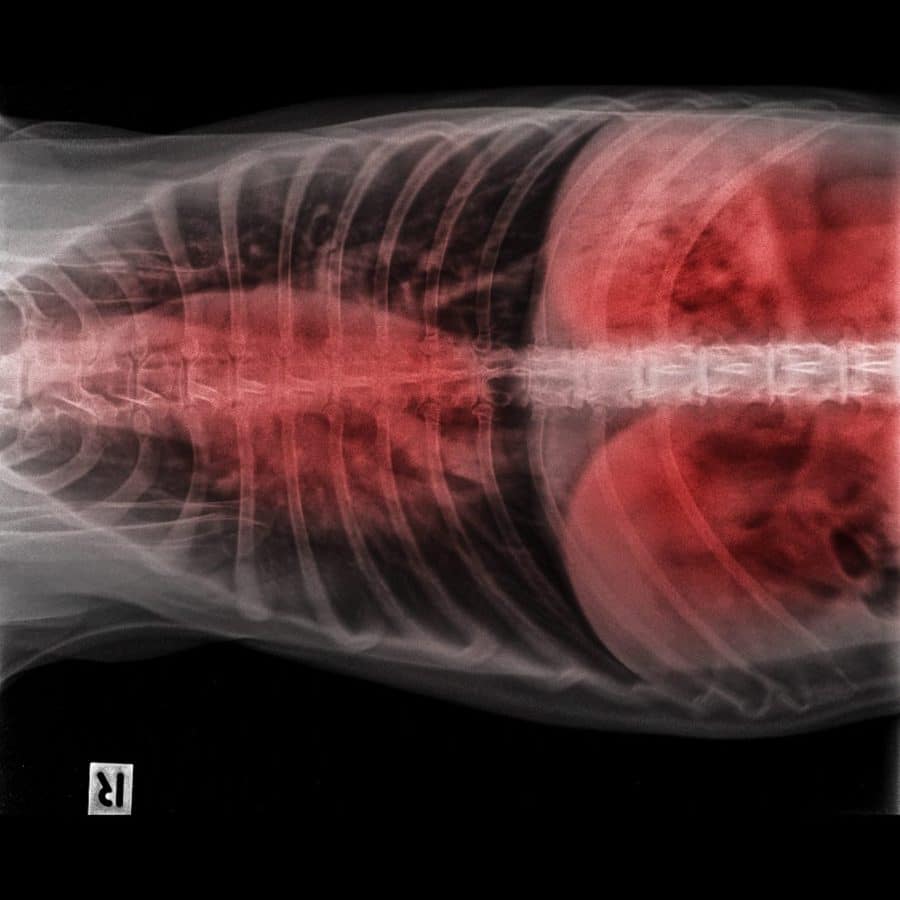
Aelurostrongylosis is a parasitic lung disease in cats that is often diagnosed later than it should be. As a veterinarian, I frequently see cat owners mistaking coughing, fatigue, reduced playfulness, or labored breathing for a harmless irritation, asthma, or a temporary infection. This is precisely the problem: Aelurostrongylosis can begin insidiously but develop into a serious lower respiratory tract disease. It is typically caused by the feline lungworm Aelurostrongylus abstrusus, which infests the bronchioles and lung tissue. There, Aelurostrongylosis leads to inflammation, coughing, mucus production, and, in severe cases, significant respiratory distress.

Aelurostrongylosis in cats Read More »

New Year's Eve

New Year's Eve with animals

New Year's Eve is a happy occasion for many people, but for animals it is often one of the most stressful nights of the year. As a vet, I have seen countless dogs and cats through New Year's Eve over the years, treating emergencies, creating personalised plans and training owners. The key is early, structured preparation and thoughtful management on 31 December. This guide provides you with an evidence-based, tried and tested plan to ensure that New Year's Eve is as calm, safe and healthy as possible for your dog or cat.

New Year's Eve with animals Read More »

Paraoesophageal abscess

Paraoesophageal abscess

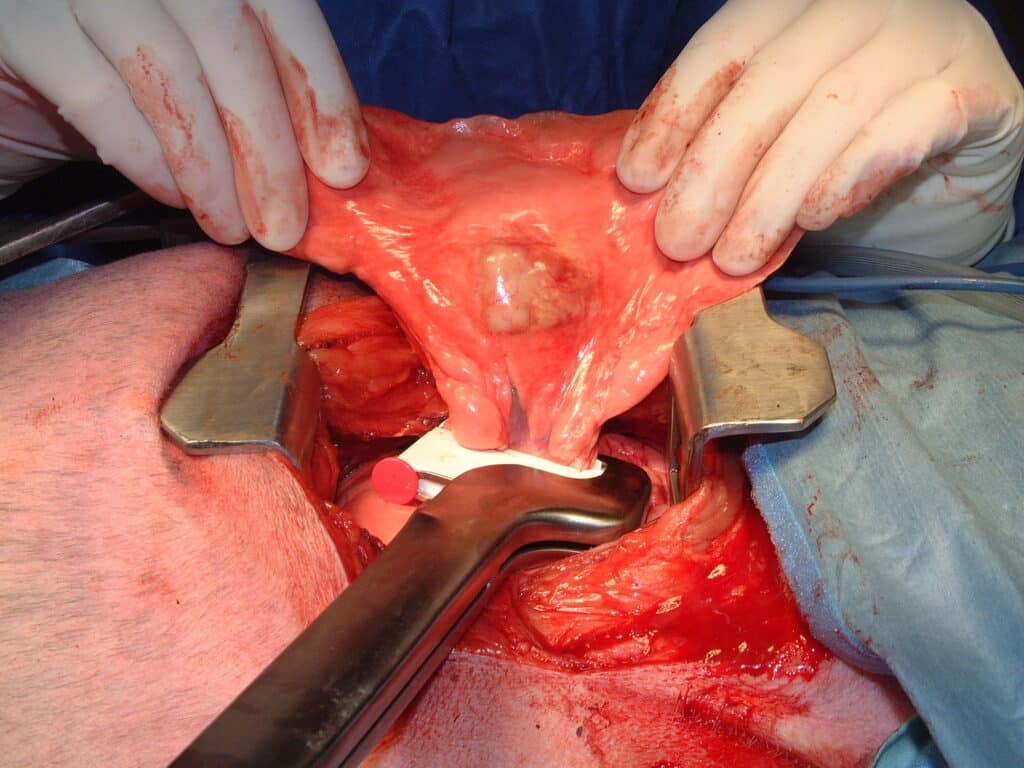
As a veterinarian, I am frequently confronted with complex chest diseases where a thorough diagnosis and prompt treatment determine the prognosis. A typical example is a paraesophageal abscess – a collection of pus in the tissue adjacent to the esophagus. A paraesophageal abscess usually develops as a result of a small perforation of the esophagus, often caused by swallowed foreign bodies (e.g., bones, sticks, fishhooks) or by secondary infections in the mediastinum. Even wood splinters that migrate easily from the throat or tongue can travel caudally along tissue fascia and cause a paraesophageal abscess near the esophagus. We see the interplay of a foreign body, local inflammation, bacterial colonization, and an encapsulated pus-filled cavity relatively frequently in dogs, whereas it is less common in cats.

Paraoesophageal abscess Read More »

Home remedies in veterinary medicine

Home remedies in veterinary medicine

As a veterinarian, I am frequently asked whether home remedies can be a sensible alternative or supplement to conventional veterinary treatment. The short answer is: it depends—on the animal, the diagnosis, the timing, the dosage, and above all, whether the supposed home remedy is actually proven effective and safe. In practice, I experience both: situations where carefully selected home remedies are a useful, gentle support in veterinary medicine, and cases where well-intentioned experiments have led to serious complications. This is precisely why a sober, evidence-based perspective is worthwhile.

Home remedies in veterinary medicine Read More »

reconstructive surgery

Reconstructive surgery

On Friday, I had the opportunity to participate in the continuing education course "Reconstructive Surgery for Veterinarians"—an intensive day that inspired me both professionally and personally. Above all, it offers real benefits for your pet. Reconstructive surgery in dogs and cats isn't some abstract, cutting-edge medical procedure, but rather the practical art of repositioning, shifting, or replacing skin and tissue after tumor operations, accidents, or chronic wounds, enabling your pet to heal faster, more safely, and with less pain. We explored precisely these topics in theory and case studies—using numerous techniques that I can now apply even more effectively in our practice.

Reconstructive surgery Read More »

Coon's pancreatitis

Coon's pancreatitis

Pancreatitis Coon – Symptoms, Diagnosis, Treatment & Research Pancreatitis Coon is a serious disease that occurs more frequently in the Maine Coon cat breed. For dedicated pet owners and veterinary students, it is essential to understand the specific characteristics of this disease in this breed. In this comprehensive article, you will learn everything essential about the definition, the

Coon's pancreatitis Read More »

fully digital dental x-ray

Fully digital dental X-ray

Modern veterinary medicine is developing rapidly – particularly in the field of imaging. A key element of this development is fully digital dental radiography, which is increasingly establishing itself as an indispensable diagnostic tool in the treatment of small animals and companion animals. Precise assessment of dental health is crucial, especially in dogs, cats, rabbits, guinea pigs, and other companion animals. Fully digital dental radiography provides detailed insights into tooth and jaw structures – quickly, safely, and with minimal radiation exposure.

Fully digital dental X-ray Read More »

Blood sugar monitoring

Blood sugar monitoring

For every patient with diabetes mellitus (DM), a long-term monitoring strategy should be developed that is medically sound, practical, and effective. A close relationship between the veterinarian and pet owner is crucial for success, as the owner provides daily care and performs most routine monitoring. Pet owners should be able to recognize early signs of problems in DM management and share their observations with the practice team. Regular clinical examinations and laboratory tests are also essential and provide a good opportunity to discuss progress, analyze problems, and assess quality of life. Restoring and maintaining the patient's quality of life is of paramount importance to most owners¹ ² and should be a central goal of any monitoring strategy.

Blood sugar monitoring Read More »

Travel sickness in dogs and cats

Travel sickness in dogs and cats

For many pet owners, the holiday season is a time for anticipation – sun, beach, relaxation. But it's not uncommon for beloved pets to return with more than just pleasant memories. Travel to the Mediterranean region, in particular, carries the risk of infectious diseases, known as travel-related illnesses. These diseases primarily affect dogs, and occasionally cats, and are usually transmitted by parasites such as ticks, mosquitoes, or sandflies.

Travel sickness in dogs and cats Read More »

Hepatic lipidosis in cats

Hepatic lipidosis in cats

Cats are obligate carnivores and require a protein-rich diet with essential amino acids for their energy metabolism. Even a short period of loss of appetite or hyporexia can lead to metabolic disturbances.1,2 In a negative energy balance, lipase activity in peripheral adipose tissue is stimulated to release fatty acids into the bloodstream. These are taken up by the liver, oxidized, and either incorporated into VLDL (very-low-density lipoproteins) or stored intracellularly as triglycerides.1 In anorexic cats, most triglycerides are stored in liver vacuoles due to limited oxidative capacity and VLDL redistribution.

Hepatic lipidosis in cats Read More »

Enterococcal bacteriuria in cats

Enterococcal bacteriuria in cats

What is enterococcal bacteriuria in cats? If your cat has been diagnosed with enterococcal bacteriuria, it means that certain bacteria of the genus Enterococcus are present in its urine. But what exactly does that mean – and does it require treatment? What are enterococci? Enterococci are bacteria that naturally occur in the gastrointestinal tract of animals and humans. In most

Enterococcal bacteriuria in cats Read More »

Pain management in cats

Pain management in cats

In veterinary medicine, pain relief after surgical procedures such as ovariohysterectomy (castration) presents a significant challenge. Effective pain management is crucial to ensure the animals' well-being and minimize postoperative complications. Various opioids are used for this purpose, alleviating pain by acting on mu-opioid receptors. In this article, we compare the efficacy of morphine, methadone, and tramadol as used in cats after castration.

Pain management in cats Read More »

Elimination diet for dogs and cats

Elimination diet for dogs and cats

Inflammatory bowel disease (IBD) often requires targeted nutritional counseling to control clinical symptoms, ensure adequate nutrient intake, and compensate for ongoing nutrient losses. An elimination diet using a hydrolyzed protein source or a single novel protein diet is frequently recommended for IBD patients. This article provides a comprehensive guide to successfully implementing such a diet.

Elimination diet for dogs and cats Read More »

Scroll to Top