Endoscopy at the Veterinarian: A Comprehensive Introduction
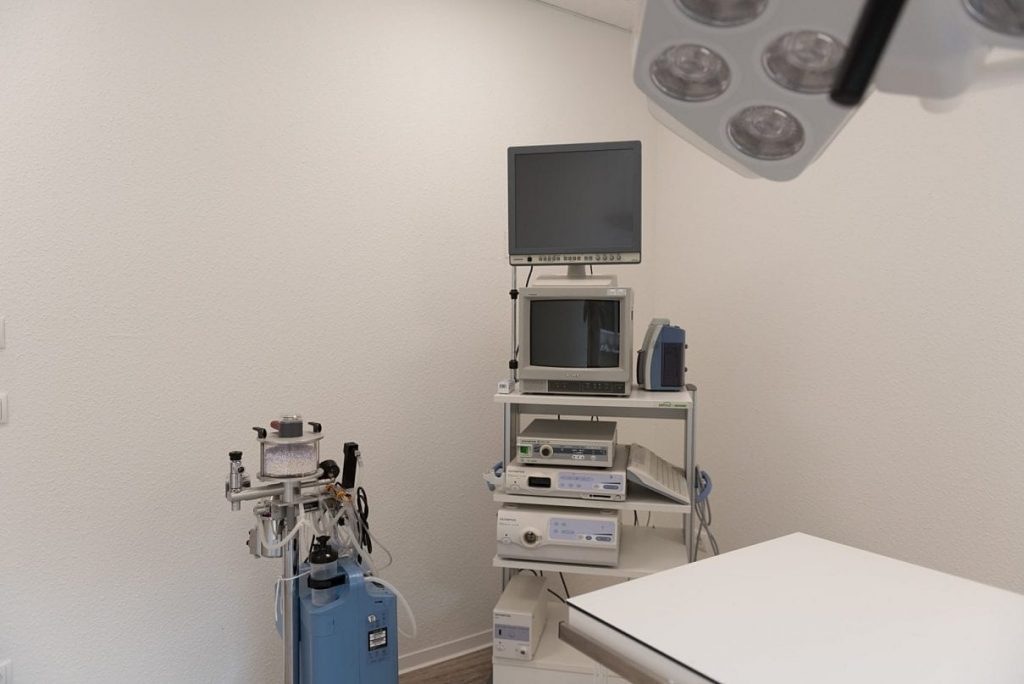
With the help of our endoscopes, which are adapted to the needs of our most diverse animal patients, we can literally “see inside the body”. We inspect the internal body cavities and organs that cannot be adequately assessed by an ultrasound or X-ray examination. Without this technology, this would otherwise only be possible through surgery.
Endoscopy can be used to assess the surfaces of internal organs, take biopsies and remove foreign bodies. We mainly use this technique to assess the gastrointestinal tract (esophagoscopy, gastroscopy, duodenoscopy and colonoscopy). We often examine the respiratory system, from rhinoscopy (examination of the nasal cavity) to bronchoscopy (examination of the lungs).
In most cases, endoscopy is a relatively low-risk examination method. However, since this is carried out under anesthesia, it is advisable to carry out a blood test beforehand, just as with other procedures under general anesthesia. Further risks depend on the form and size of the procedure and will be discussed thoroughly with you in each case.
Endoscopy is an important diagnostic method in veterinary medicine that allows veterinarians to examine the insides of animals in a gentle manner . In this article we will give you a comprehensive overview of veterinary endoscopy, its areas of application, benefits and possible risks.
Areas of application of endoscopy in veterinary medicine
Endoscopy is a versatile tool used in various areas of veterinary medicine. Here are some examples:
- Gastroenterology : If gastrointestinal diseases are suspected, an endoscopy of the digestive tract may be performed to identify and, if necessary, remove inflammation, ulcers, polyps or foreign bodies.
- Respiratory endoscopy : For respiratory diseases, endoscopy allows an examination of the nasal cavity, trachea and bronchi, for example to detect foreign bodies or tumors.
- Laparoscopy : Laparoscopy is a minimally invasive method of examining the abdominal cavity and internal organs that can be used when diseases of the liver, gallbladder or reproductive system are suspected.
- Arthroscopy : In the case of joint diseases such as arthritis, cartilage damage or meniscus injuries, arthroscopy can be used to examine the joints from the inside and, if necessary, to carry out therapeutic measures.
Advantages of endoscopy at the vet
Endoscopy offers a number of advantages compared to other diagnostic methods:
- Gentle procedure : Endoscopy is a minimally invasive procedure that causes less pain, stress and complications for the animal compared to traditional surgical procedures.
- Faster recovery : Because endoscopy is less invasive, the animal's recovery time is shortened and they can return to normal activity more quickly.
- Precise diagnosis : Endoscopy allows a direct view of the affected tissue or organ, allowing for more accurate diagnosis and, if necessary, targeted therapy.
- Lower risk of infection : Because only small incisions are made during endoscopy, the risk of postoperative infections is lower than with open surgical procedures.
Possible risks and complications of endoscopy
Despite the advantages of endoscopy, complications can occur in rare cases:
- Bleeding : In rare cases, bleeding may occur during endoscopy, but this usually stops on its own or can be controlled by the veterinarian.
- Perforation : A possible but very rare complication is perforation (breakthrough) of an organ, such as the stomach or intestines. In such cases, surgery is required to repair the damage.
- Infection : Despite the lower risk of infection compared to open surgical procedures, there is still a small risk of infection during endoscopy. To minimize this risk, endoscopic instruments are thoroughly cleaned and sterilized.
- Anesthesia complications : Endoscopy typically requires sedation or general anesthesia of the animal, which poses a risk of anesthesia complications. However, veterinarians are well trained to minimize these risks and ensure the animal's safety during the procedure.
Preparing for the endoscopy at the vet
In order to best prepare the animal for the endoscopy, the pet owner should take a few important steps into account:
- Fasting : The animal should be fasted for a certain period of time before the procedure to minimize the risk of complications during anesthesia. The vet will give the exact instructions for sobriety.
- Drug preparation : In some cases, it may be necessary to give the animal certain medications before the endoscopy, for example to empty the intestines or reduce inflammation. The vet will give appropriate instructions.
- Communication with the veterinarian : Pet owners should provide the veterinarian with all relevant information about the animal, its health status, and possible medications so that the veterinarian can make the best possible decision about whether to perform the endoscopy.
Aftercare and recovery after endoscopy
After endoscopy, the animal needs rest and care to fully recover:
- Observation : After the procedure, the animal should remain under observation for a few hours to ensure that there are no complications.
- Painkillers : The vet may prescribe painkillers to help the animal recover.
- Diet : In the first few days after the endoscopy, the animal should be given an easily digestible and gentle diet.
- Follow-up visits : Depending on the type of endoscopy and the animal's health, the veterinarian may order follow-up visits to monitor the healing process.
Conclusion: The importance of endoscopy in veterinary medicine
Endoscopy is an essential diagnostic method in veterinary medicine that allows veterinarians to detect and, if necessary, treat a variety of diseases. With its numerous areas of application, such as gastroenterology, respiratory endoscopy, laparoscopy and arthroscopy, it enables gentle and precise examination of the affected animals.
The advantages of endoscopy, such as a minimally invasive examination, faster recovery and lower risk of infection, outweigh the possible risks and complications, which are rare when used properly. Good preparation of the animal for the procedure and careful aftercare make a decisive contribution to the animal's successful recovery.
Endoscopy is therefore a valuable tool in modern veterinary medicine, allowing veterinarians to ensure the best possible diagnosis and treatment for our pets.