
Veterinary clinic

Appenweier Small Animal Center

Appenweier Small Animal Center

I am Dr. Maria Apostolidou, veterinarian and managing director of the Appenweier Small Animal Clinic, previously the lead veterinarian at our Renchen location. Many of you already know us from Renchen – Appenweier is the logical next step, offering even better accessibility and modernized processes. On our new website, you will find our full range of services, as well as a clear indication of our specializations for rabbits, guinea pigs, and rats – a profile I have built with great passion over the past few years. The Appenweier Small Animal Clinic grew out of the established Renchen team ("formerly: Tierarzt-Renchen.de"), which is why pet owners benefit from continuity of care, well-established standard operating procedures, and familiar contacts.

Appenweier Small Animal Center Read More »

elevated urea

Elevated urea

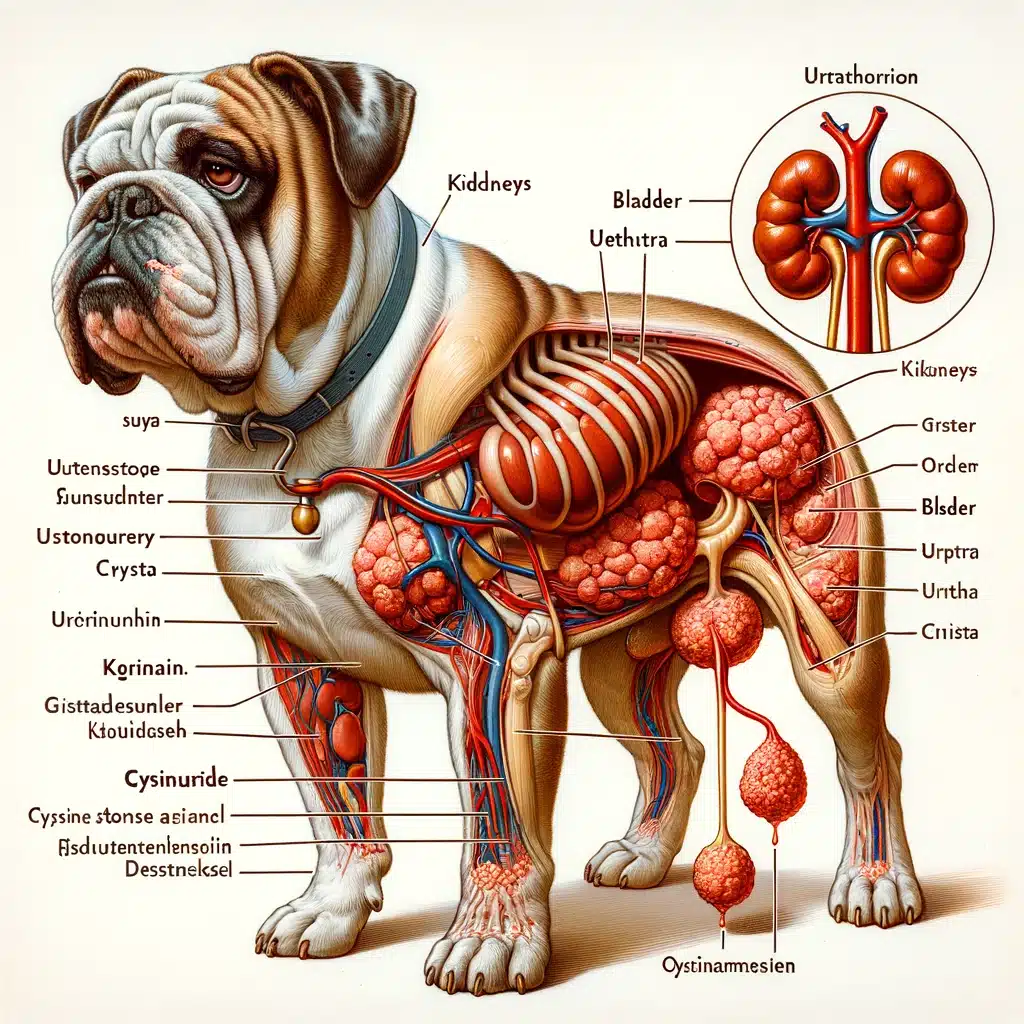
Why is this topic important? "BUN" stands for Blood Urea Nitrogen and describes the proportion of urea in the blood that is measured as nitrogen. Elevated urea levels in clinically healthy dogs worry many owners, especially if the dog appears healthy, eats and drinks normally, and all other clinical blood tests are within the reference range. From an internal medicine perspective, BUN is a helpful but nonspecific marker: it rises not only in cases of renal problems but also in prerenal and postrenal disorders, as well as under certain dietary and gastrointestinal conditions. This means that an elevated BUN level is a finding, not a diagnosis. This is precisely where my role as a treating veterinarian lies: to clarify the underlying causes, correctly assess their relevance, and establish a targeted, animal-friendly diagnostic and monitoring program. Professional societies and international guidelines have emphasized for years the clear distinction between prerenal, renal and postrenal azotemia – the BUN adds a facet to this picture, but never replaces the overall view.

Elevated urea Read More »

Puppy moves in

A puppy is moving in.

When a puppy arrives, a shared life begins for family and dog, a life filled with joy, curiosity, and responsibility. As a veterinarian with many years of experience in both clinics and private practices, I see daily how crucial the first few weeks are. During this time, the foundations for good health are laid, bonds are formed, and daily routines are established. For a puppy to arrive and develop safely, healthily, and relaxed, a clear plan is essential: preparing the home, a structured settling-in period, evidence-based preventative healthcare, a needs-based diet, appropriate enrichment without overstimulation, and early socialization.

A puppy moves in Read More »

Hedgehog rescue Karlsruhe

Hedgehog rescue Karlsruhe

As a veterinarian, Susanne Arndt, I am frequently confronted with one question in my practice, especially in autumn and late winter: "Where can I find hedgehog rescue in Karlsruhe – and what do I do right now?" In this comprehensive guide, I combine my clinical experience with the requirements of German nature conservation law and provide specific, local contacts in the Karlsruhe area. I also link to established international expert sources from abroad so that you can delve deeper into the subject. The goal is to ensure that you act legally, professionally, and practically in Karlsruhe – from the very first moment until the hedgehog's release back into the wild.

Hedgehog Help Karlsruhe Read More »

Buried knot during tooth extraction

Buried knot during tooth extraction

As veterinarians (small animal practice, specializing in dentistry, among other things), we have observed for many years how crucial clean, low-irritant, and stable wound care is after tooth extraction in cats. In recent months, a prospective study has generated considerable discussion: It compares a buried knot technique for feline tooth extraction with the usual, external knotting using a simple single knot. The results align very well with my practical experience and provide cat owners with clear guidance: The buried knot for feline tooth extraction can visibly reduce early healing irritation without compromising the success rate of wound healing. SAGE Journals

Buried Knot during Tooth Extraction Read More »

Making the balcony cat-proof

Making the balcony cat-proof

As a veterinarian with years of experience in small animal practice, I see the same preventable emergencies every summer: falls from balconies, windowsills, or loggias. The pattern is always similar: a bird flutters by, a sudden siren, a playful jump – and in seconds, the cozy vantage point becomes a hazard. "Making balconies cat-proof" is therefore far more than a DIY project; it's primary prevention against serious trauma. International animal welfare organizations and expert sources have been warning for years about the so-called high-rise syndrome, i.e., injuries from falls from a great height – completely preventable through simple structural and organizational measures. ASPCA+1

Making your balcony cat-proof Read More »

Christmas treats

Christmas treats

As a practicing veterinarian, Susanne Arndt, I experience the same wave of emergencies every December: dogs that have "just quickly" nibbled on a plate, emptied the advent calendar, or gotten hold of a piece of stollen with raisins. "Christmas treats that are dangerous for dogs" is therefore not just a seasonal topic, but genuine preventative medicine. In this article, you will find a well-founded, easy-to-implement guide on how to recognize typical holiday traps, realistically assess risks, and act correctly in an emergency. I share clinical experience from emergency services, explain the medical background, and link to reputable international specialist sources.

Christmas treats Read More »

Paraesophageal abscess

Paraesophageal abscess

As a veterinarian, I am frequently confronted with complex chest diseases where a thorough diagnosis and prompt treatment determine the prognosis. A typical example is a paraesophageal abscess – a collection of pus in the tissue adjacent to the esophagus. A paraesophageal abscess usually develops as a result of a small perforation of the esophagus, often caused by swallowed foreign bodies (e.g., bones, sticks, fishhooks) or by secondary infections in the mediastinum. Even wood splinters that migrate easily from the throat or tongue can travel caudally along tissue fascia and cause a paraesophageal abscess near the esophagus. We see the interplay of a foreign body, local inflammation, bacterial colonization, and an encapsulated pus-filled cavity relatively frequently in dogs, whereas it is less common in cats.

Paraesophageal Abscess Read More »

Cholecystectomy in dogs

Cholecystectomy in dogs

As a practicing veterinarian, I regularly see dogs with gallbladder disease where cholecystectomy—the surgical removal of the gallbladder—is the safest and best long-term solution. This is particularly common with gallbladder mucocele: In this condition, the gallbladder fills with thick, biliary mucus, the wall becomes overstretched and inflamed, and there is a risk of rupture, leading to life-threatening biliary peritonitis. In this situation, cholecystectomy can eliminate the risk of rupture and stabilize liver and bile duct function. Leading international veterinary sources recommend early surgical intervention, depending on the findings, to avoid complications. (Merck Veterinary Manual+1)

Cholecystectomy in dogs Read More »

Home remedies in veterinary medicine

Home remedies in veterinary medicine

As a veterinarian, I am frequently asked whether home remedies can be a sensible alternative or supplement to conventional veterinary treatment. The short answer is: it depends—on the animal, the diagnosis, the timing, the dosage, and above all, whether the supposed home remedy is actually proven effective and safe. In practice, I experience both: situations where carefully selected home remedies are a useful, gentle support in veterinary medicine, and cases where well-intentioned experiments have led to serious complications. This is precisely why a sober, evidence-based perspective is worthwhile.

Home remedies in veterinary medicine Read More »

virtual assistant

virtual assistant

"Hello, I'm Fiore – the virtual assistant at the Arndt Small Animal Clinic. You can book appointments here or online, order medications, request a lab result follow-up, or a general callback. In case of an emergency, please say 'emergency.
' This conversation is being recorded for quality assurance purposes – if you do not wish to be recorded, please hang up now – we will contact you as soon as possible."

virtual assistant Read More »

Teething problems in young dogs

Teething problems in young dogs

Teething problems in young dogs are more common than many owners realize. Normal teething usually begins between 12 and 16 weeks of age, depending on the breed, and is typically completed by 6-7 months. During this important developmental phase, complications can arise, ranging from harmless, temporary irritations to conditions requiring treatment. As a veterinarian, I place great importance on owners understanding early on which signs are harmless and which are critical. Untreated teething problems in young dogs can cause pain, malocclusion, periodontitis, jawbone changes, and even long-term behavioral changes.

Teething problems in young dogs Read More »

reconstructive surgery

Reconstructive surgery

On Friday, I had the opportunity to participate in the continuing education course "Reconstructive Surgery for Veterinarians"—an intensive day that inspired me both professionally and personally. Above all, it offers real benefits for your pet. Reconstructive surgery in dogs and cats isn't some abstract, cutting-edge medical procedure, but rather the practical art of repositioning, shifting, or replacing skin and tissue after tumor operations, accidents, or chronic wounds, enabling your pet to heal faster, more safely, and with less pain. We explored precisely these topics in theory and case studies—using numerous techniques that I can now apply even more effectively in our practice.

Reconstructive Surgery Read More »

Chondroitinase injection in dogs

Chondroitinase injection for dogs

As a veterinarian who sees dogs with acute back problems daily, I am delighted by a development that offers many small dogs with intervertebral disc herniation a real additional option: chondroitinase injections. This involves the minimally invasive injection of an enzyme (chondroitinase ABC) directly into the affected intervertebral discs. The aim is to liquefy the central portion of the disc, relieve pressure on the spinal cord, and thus alleviate paralysis or severe pain more quickly and with less strain – in selected cases as an alternative to surgery. Recent reports from a British university clinic describe how, since the beginning of 2025, several dozen treated dogs were able to walk again after just a few days; the clinic is currently the only institution in the United Kingdom to offer this method on a regular basis. University of Cambridge

Chondroitinase Injection for Dogs Read More »

Cat has poor eyesight

Cat has poor eyesight

As a veterinarian, I often see that owners only realize their cat's vision is poor quite late. Cats can compensate for vision problems for a long time – thanks to their excellent sense of smell, touch, and hearing. But the earlier intervention occurs, the better the prognosis and quality of life. This comprehensive guide explains clearly how to recognize that your cat has poor vision, what the typical causes are, what the examination at the veterinarian's office entails, what therapies are available, and how to make everyday life safe for your cat. I also provide links to reputable international specialist sources so you can read more in-depth information.

Cat has poor eyesight Read More »

Scroll up