surgery

Paraesophageal abscess

Paraesophageal abscess

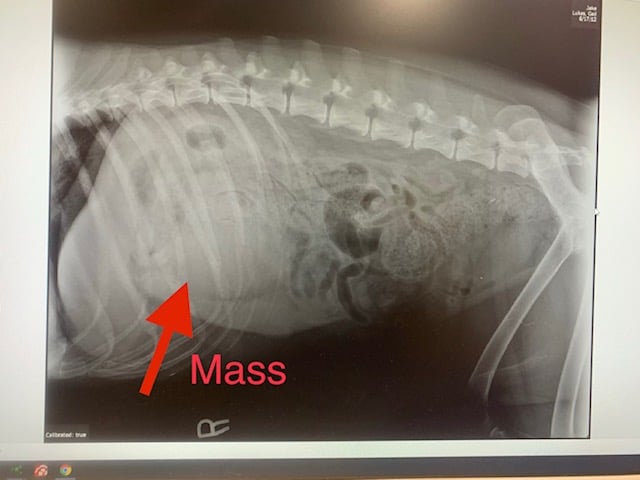
As a veterinarian, I am frequently confronted with complex chest diseases where a thorough diagnosis and prompt treatment determine the prognosis. A typical example is a paraesophageal abscess – a collection of pus in the tissue adjacent to the esophagus. A paraesophageal abscess usually develops as a result of a small perforation of the esophagus, often caused by swallowed foreign bodies (e.g., bones, sticks, fishhooks) or by secondary infections in the mediastinum. Even wood splinters that migrate easily from the throat or tongue can travel caudally along tissue fascia and cause a paraesophageal abscess near the esophagus. We see the interplay of a foreign body, local inflammation, bacterial colonization, and an encapsulated pus-filled cavity relatively frequently in dogs, whereas it is less common in cats.

Paraesophageal Abscess Read More »

Tumorous diseases in guinea pigs

Tumorous diseases in guinea pigs

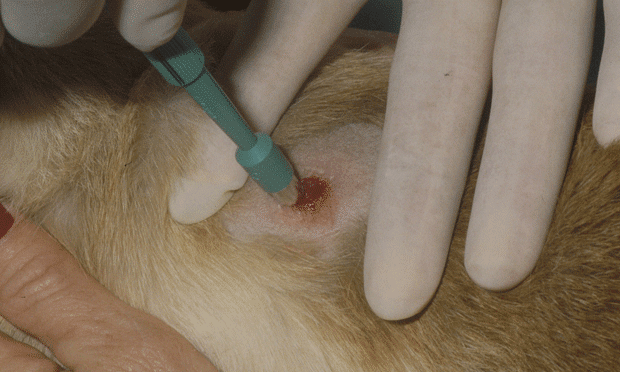
From a veterinary perspective, we speak of "tumorous diseases in guinea pigs" when tissue proliferates uncontrollably within the body. This can be benign or malignant (cancer). Guinea pigs (Cavia porcellus) exhibit a spectrum of tumor types: frequently skin and subcutaneous tumors (e.g., lipomas, trichofolliculomas), relatively frequently changes in the mammary gland/mammary gland (mammary tumors), as well as diseases of the reproductive tract and lymphatic neoplasms (lymphomas). Clinically, such processes are noticeable through palpable lumps, altered skin surfaces, weight loss, decreased performance, decreased appetite, enlarged lymph nodes, respiratory problems, or nonspecific "age-related complaints." However, tumorous diseases in guinea pigs are particularly easily overlooked because the animals instinctively compensate for impairments for a long time.

Tumorous diseases in guinea pigs Read More »

Pheochromocytoma in cats

Pheochromocytoma in cats

Pheochromocytoma in cats is a rare but clinically important disease arising from the chromaffin cells of the adrenal medulla or the sympathetic paraganglia. These tumors typically produce excess catecholamines such as epinephrine and norepinephrine, which can lead to a variety of symptoms. Although pheochromocytoma is not commonly diagnosed in cats, it is important to recognize this condition because it can have serious consequences if left untreated. A comprehensive summary of the key aspects of pheochromocytoma in cats is provided below.

Pheochromocytoma in cats Read More »

Elbow dysplasia in dogs

Elbow dysplasia in dogs

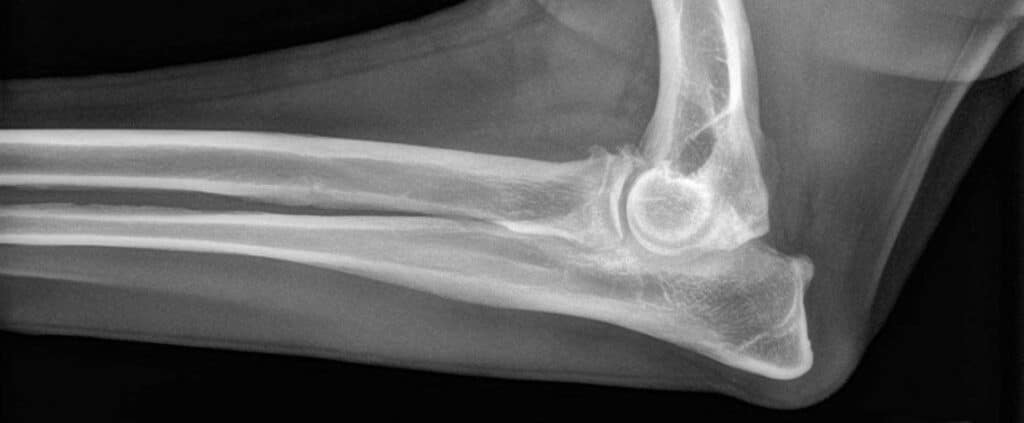
Elbow dysplasia, a hereditary disease in dogs, occurs in various forms. These include fragmented medial ulnar coronoid process (FCP), isolated anconeal process (IPA), and osteochondrosis (OCD). All of these diseases are growth-related diseases that unfortunately cannot be cured.

FCP and OCD are among the most common causes of lameness in young dogs. They typically occur between four and five months when the dog is in the central growth phase.

Elbow dysplasia in dogs Read More »

Discopathy in dogs

Discopathy in dogs

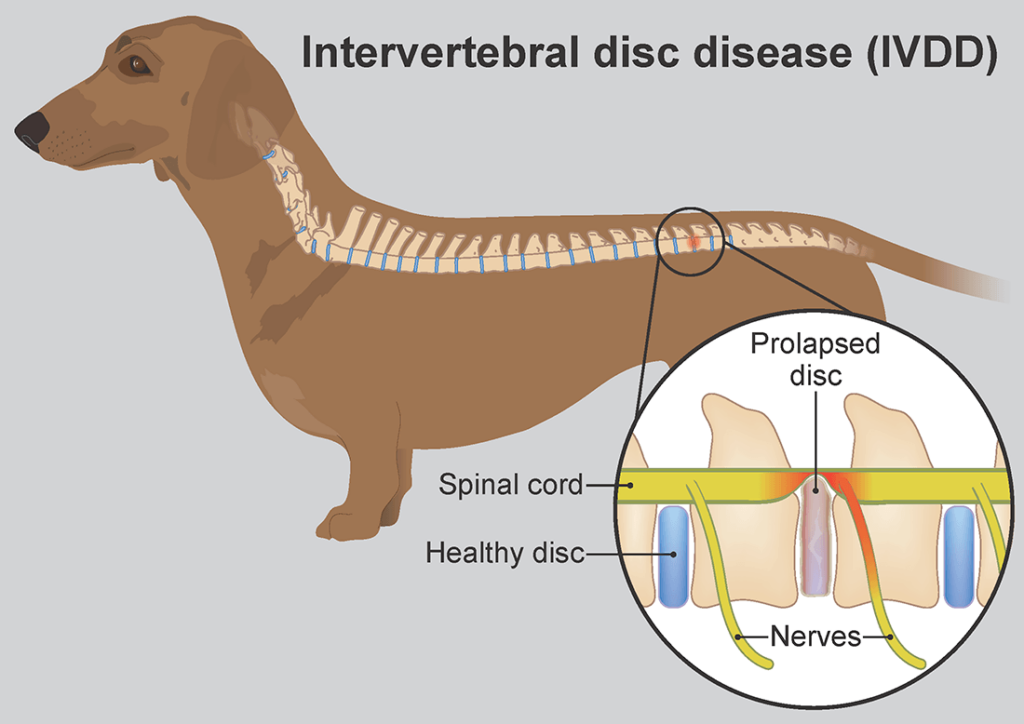
Discopathy in dogs is a serious medical situation that develops from damage or changes in the position of the intervertebral discs. To understand them better, we would first like to explain the role and nature of the intervertebral discs. These consist of a cartilaginous fibrous ring, also called annulus fibrosus, and an elastic gelatinous core, called nucleus pulposus. The intervertebral discs ensure pain-free mobility of the back and absorb shocks to the spine, for example when jumping. They lie between the bony vertebral bodies in the spine.

Discopathy in dogs Read More »

Epilepsy in dogs

Epilepsy in dogs

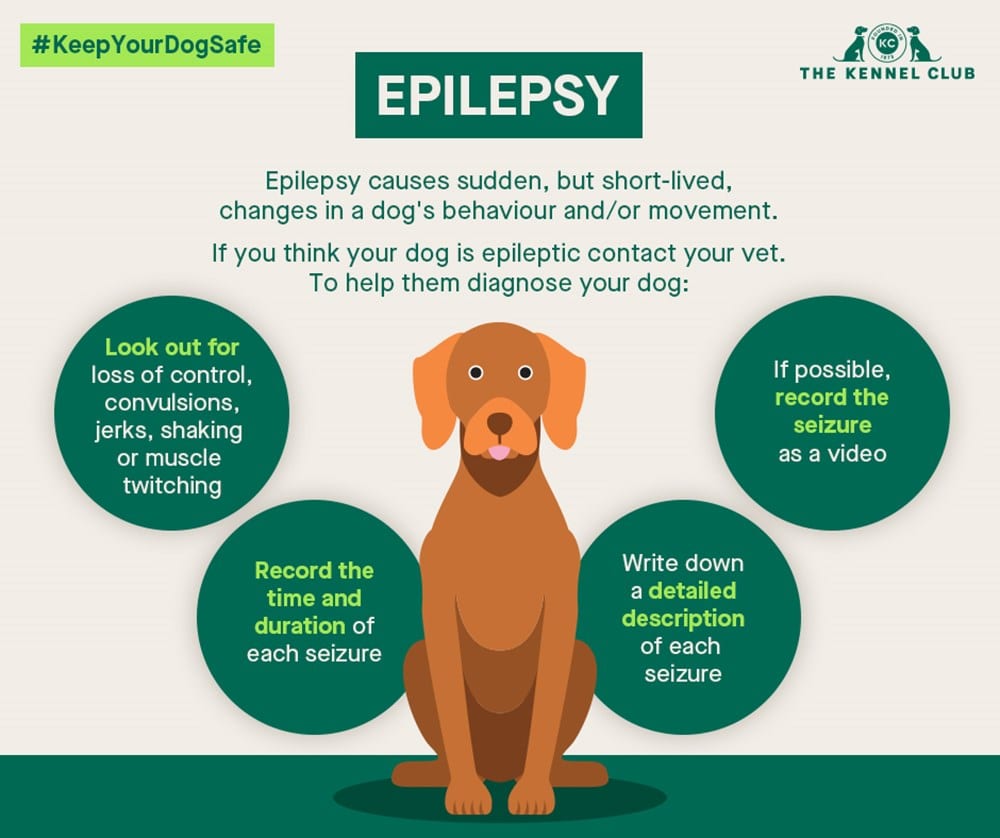
Epilepsy is a disease that occurs not only in humans but also in our pets, especially dogs. It is a neurological disorder characterized by repeated seizures caused by a temporary malfunction of brain cells. It is a complex disease that requires accurate diagnosis and tailored treatment to ensure that affected dogs live a good and healthy life.

Epilepsy in dogs Read More »

Cancer in dogs

Cancer in dogs

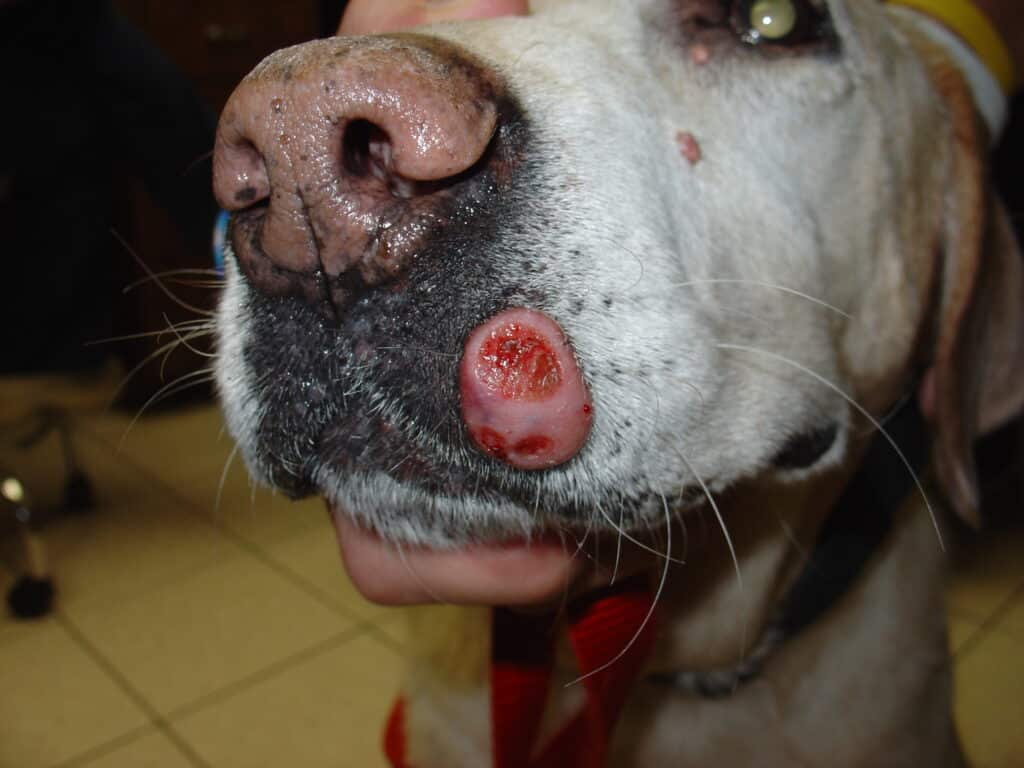
Cancer is a common disease in dogs and can cause both benign and malignant tumors. Since early detection is crucial to the successful treatment of cancer in dogs, it is important to be informed about possible symptoms and treatment options. In this article, we will discuss the different aspects of canine cancer to give you a comprehensive understanding of this disease.

Cancer in dogs Read More »

Intussusception

Intestinal obstruction in dogs (intussusception)

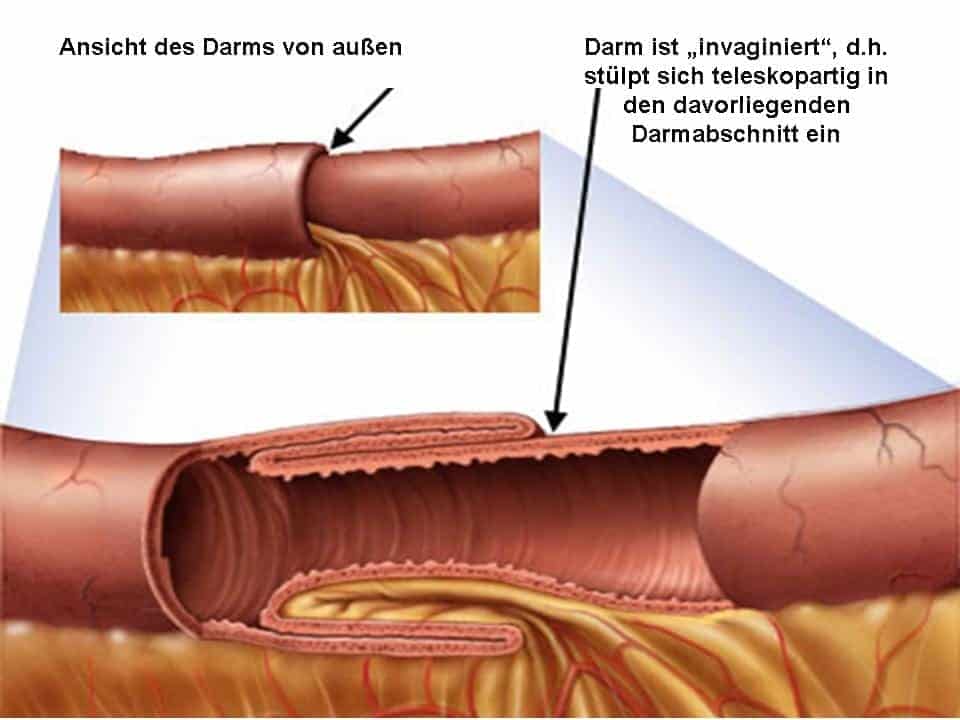
Intestinal obstruction in dogs, also known as intussusception, is a serious and potentially life-threatening condition. It occurs when part of the intestine invades an adjacent section, preventing the normal passage of food and liquid. In this article, we will explore the causes, symptoms, diagnosis, and treatment options for this condition to help dog owners keep their pet healthy and safe.

Intestinal obstruction in dogs (intussusception) Read More »

Scroll up