
Ask DocSusi
In a world where we can access information anytime, anywhere, it's only logical to explore new avenues in animal health as well. That's precisely why we invented DocSusi – your digital assistant for veterinary questions.
For every patient with diabetes mellitus (DM), a long-term monitoring strategy should be developed that is medically sound, practical, and effective. A close relationship between the veterinarian and pet owner is crucial for success, as the owner provides daily care and performs most routine monitoring. Pet owners should be able to recognize early signs of problems in DM management and share their observations with the practice team. Regular clinical examinations and laboratory tests are also essential and provide a good opportunity to discuss progress, analyze problems, and assess quality of life. Restoring and maintaining the patient's quality of life is of paramount importance to most owners¹ ² and should be a central goal of any monitoring strategy.
Blood sugar monitoring Read More »
Trazodone is a so-called serotonin antagonist and reuptake inhibitor (SARI), used in veterinary medicine primarily for its anxiolytic and calming effects. But how exactly does the drug work?
Trazodone for dogs and cats Read More »
In recent months, veterinarians across Germany have observed an increase in neurological disorders in dogs. Many of these cases exhibit symptoms suggestive of possible poisoning. One of the prime suspects in these cases is chew bones, which are widely used as rewards and for dental care in dogs. This article examines the risks posed by contaminated chew bones and provides recommendations on how dog owners can ensure their pets' safety.
Potential dangers of contaminated chewing bones for dogs Read More »
Cognitive dysfunction (CDS) is a neurodegenerative disorder that primarily affects older dogs and cats and is characterized by neuronal loss and neuroaxonal degeneration. Similar to Alzheimer's disease in humans, CDS leads to changes in behavior, memory, and learning ability in affected animals. This article provides a comprehensive overview of the causes, symptoms, diagnostic options, and treatment approaches for this disorder.
Cognitive dysfunction in dogs and cats Read More »
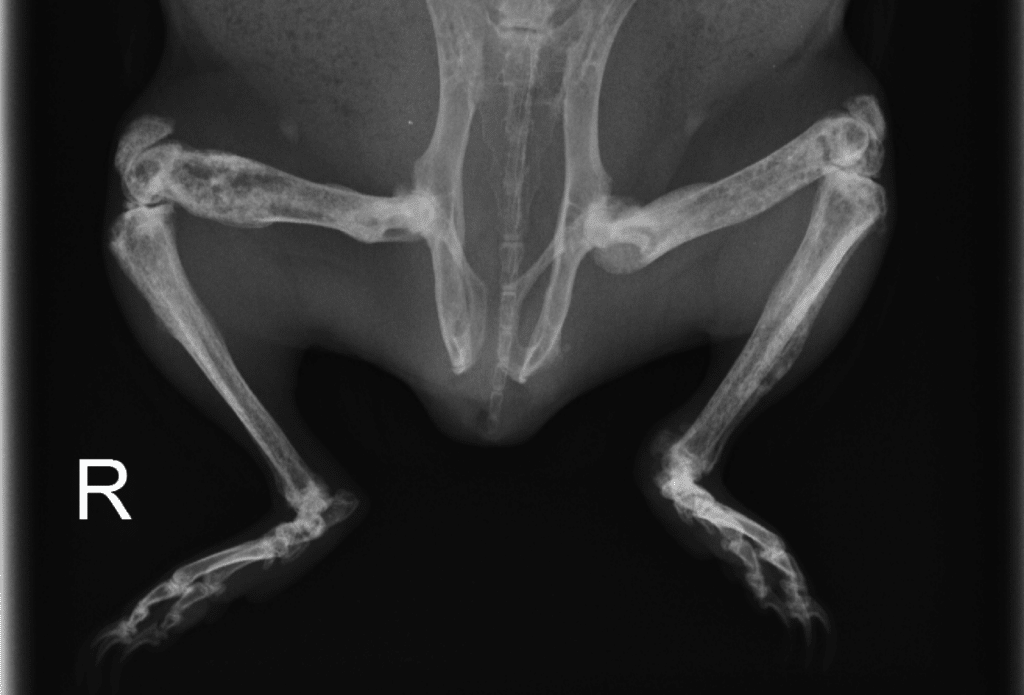
X-ray examination is one of the most important imaging procedures in veterinary diagnostics. This examination method plays a central role, particularly in dogs and cats, for diagnosing diseases of the skeletal system, internal organs, and soft tissues. This article provides all the essential information about X-ray diagnostics in small animal medicine, its applications, and the advantages and disadvantages of the method.
X-ray examination in veterinary medicine Read More »
The American Wirehair is a fascinating cat breed, distinguished not only by its striking, wiry coat but also by its robust health. However, as with all cat breeds, there are certain diseases and health problems that owners should be aware of. In this article, we will discuss in detail the typical diseases that can occur in the American Wirehair and provide valuable tips for prevention and care.
American Wirehair Diseases Read More »
Cherry eye is a common eye condition in dogs that can cause significant discomfort if left untreated. This comprehensive guide explains the causes, symptoms, and treatment options for cherry eye in dogs, so you can help your four-legged friend quickly and effectively.
The English Cocker Spaniel, known for its friendly and playful nature, is one of the oldest dog breeds, valued for hunting in Great Britain as early as the 18th century. Today, the English Cocker Spaniel enjoys great popularity as a family dog; however, its breed also brings with it specific health challenges. This article describes in detail the most common diseases of the English Cocker Spaniel and outlines preventative measures as well as treatment options.
Cocker Spaniel Diseases Read More »
The poodle is one of the most popular dog breeds worldwide, prized for its intelligence, versatility, and friendly nature. This article will tell you everything you need to know about the different types of poodles, their characteristic traits, and how to best care for your loyal pet.
The Ragdoll cat, known for its unique calmness and impressive size, is one of the most popular pedigree cats for families and cat lovers worldwide. In this article, we provide a detailed overview of the characteristics, care requirements and special features of this fascinating cat breed.
Diseases in Ragdoll cats Read More »
Blood poisoning, medically known as sepsis, is a serious condition that can also occur in rabbits. It develops when an infection in the body takes over and releases toxins into the bloodstream, leading to a systemic inflammatory response. It is crucial for rabbit owners to recognize the signs of sepsis in order to act immediately, as it can quickly become life-threatening.
Blood poisoning in rabbits Read More »
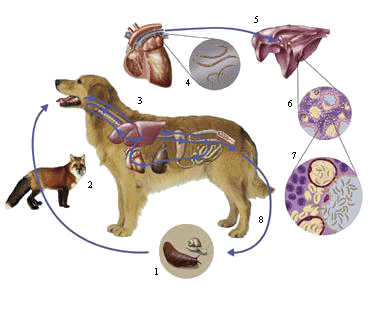
Lungworms pose a serious threat to dogs. These parasites can cause severe health problems that are often difficult to diagnose. This article provides all the essential information about lungworms in dogs, including their symptoms, treatment, and how to protect your four-legged friend.
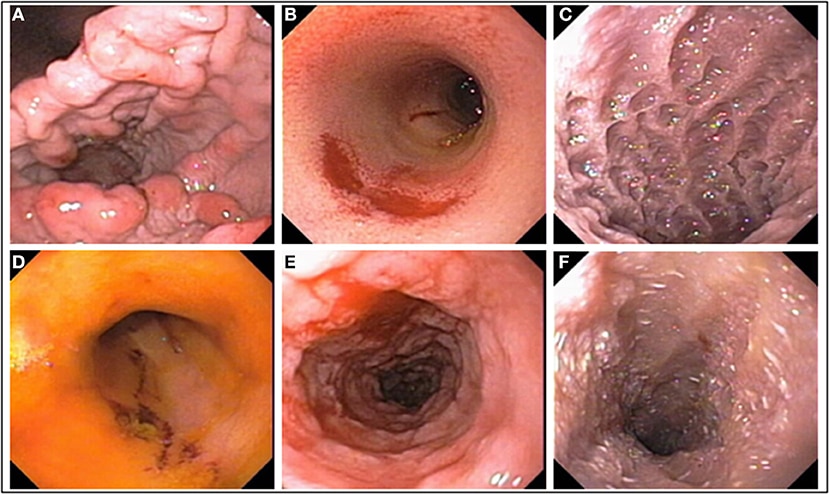
Acute large intestinal diarrhea is a common problem in pets and can often catch owners unprepared. In this article, we offer comprehensive information and practical tips to help your four-legged friend in such situations.
Acute large bowel diarrhea Read More »
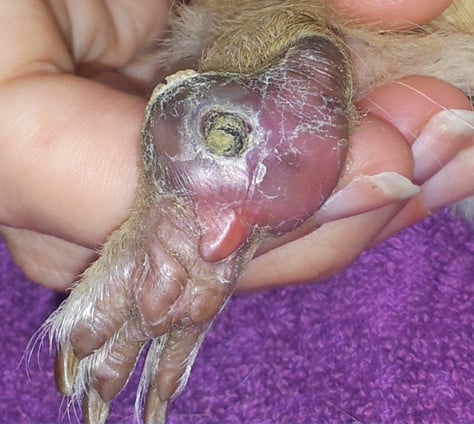
Guinea pigs are popular pets that delight many people with their lively nature. However, like all animals, guinea pigs are susceptible to certain health problems (guinea pig diseases). To help them live a long and healthy life, it is important to know the signs and preventative measures of the most common diseases.
Diseases in guinea pigs Read More »