Brachycephalic Syndrome (BOAS) and palatal surgery
- Brachycephalic Syndrome (BOAS) and palatal surgery
- When shortness of the head leads to shortness of breath
- Symptoms: Recognizing warning signs
- Anatomy: Why can't the dog breathe?
- Diagnostics before surgery
- The treatment: palatal surgery and rhinoplasty
- Frequently Asked Questions & Detailed Answers about Brachycephaly
- Prospects of successful treatment
- Summary: Quality of life for brachycephalic dogs
When shortness of the head leads to shortness of breath
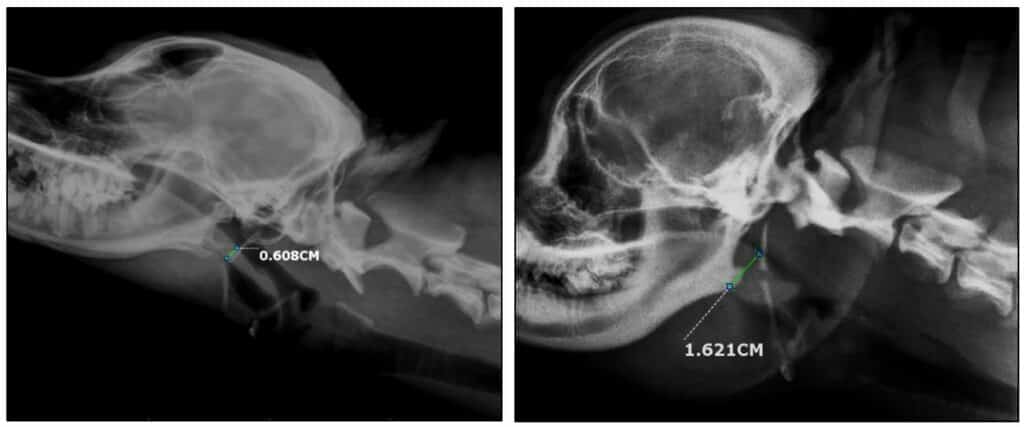
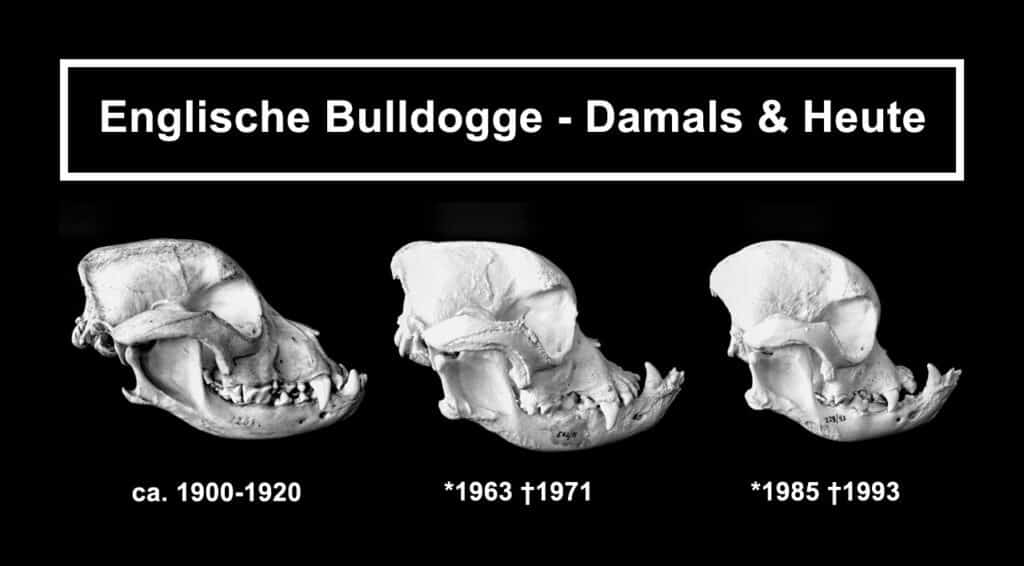
The selectively bred shortening of the facial skull, known as brachycephaly, is associated with significant health problems in many popular dog breeds and some cat breeds. While the skull bones have been extremely shortened, the soft tissues inside (soft palate, nasal conchae, tongue) often have not regressed accordingly.
The result: Too much tissue in too small a space.
The result is the so-called Brachycephalic obstructive airway syndrome (BOAS). The upper respiratory tract of the patients is so severely constricted that the animals suffer from permanent respiratory distress, which usually worsens progressively without treatment.
Affected breeds
Breeds that are frequently affected and may exhibit symptoms of brachycephaly include:
Dogs:
- French Bulldog & English Bulldog
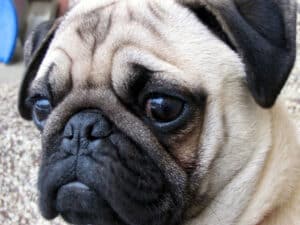
- Pug
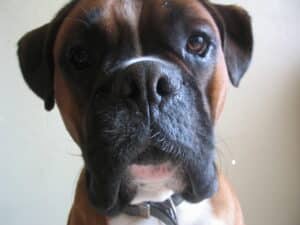
- Boxer
- Boston Terrier
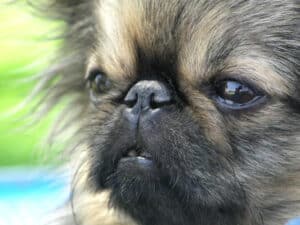
- Shih Tzu, Lhasa Apso & Pekingese
- Cavalier King Charles Spaniel
- Maltese & Bichon Frisé
- Chihuahua & Miniature Pinscher
- American Bully


Brachycephalic syndrome in cats:
- Scottish Fold
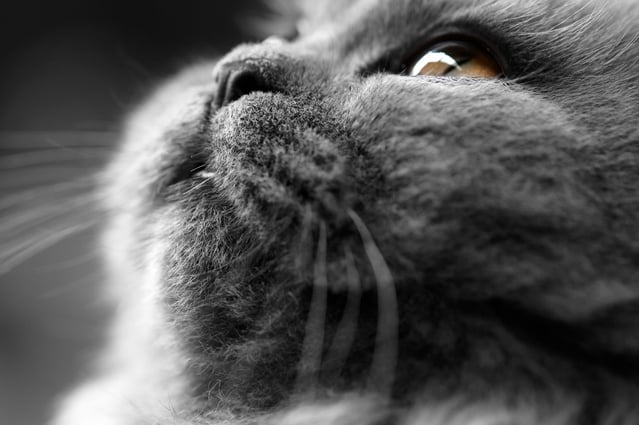
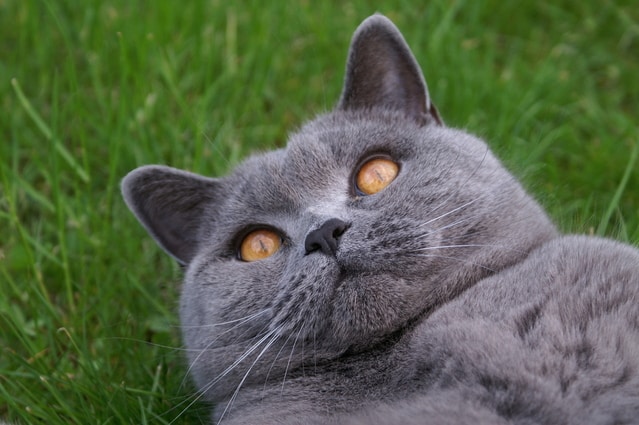
- British shorthair
- Persians and others

Symptoms: Recognizing warning signs
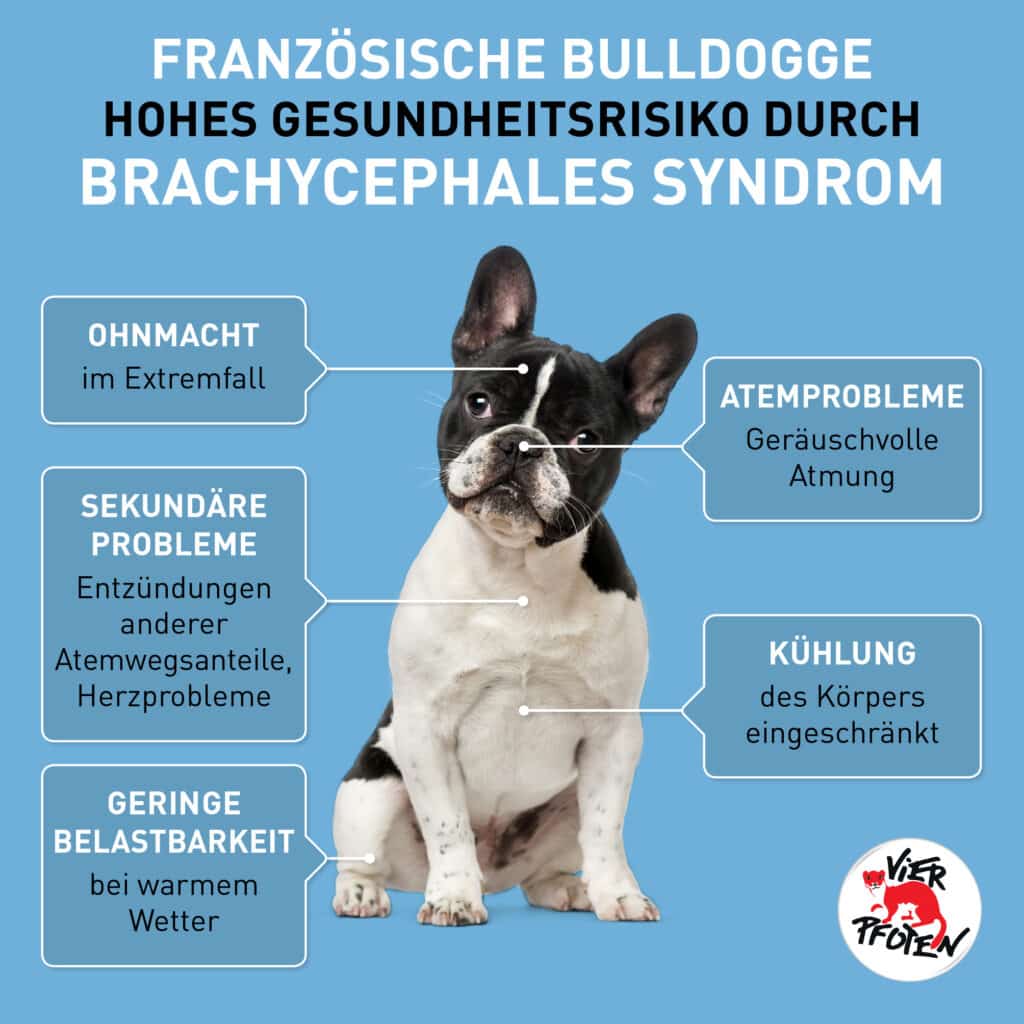
Many owners consider their dog's snoring a cute and typical breed characteristic. However, from a medical perspective, snoring is almost always a cry for help from the body and a sign of airway obstruction (narrowing).
Typical symptoms of brachycephalic syndrome include:
- Breathing sounds: Loud snoring (even while awake), wheezing or grunting.
- Performance weakness: Rapid exhaustion during play, intolerance to exertion.
- Heat intolerance: There is a high risk of overheating in summer (risk of heatstroke) because thermoregulation via the short nose does not work.
- Sleep apnea: Nighttime breathing pauses, restless sleep, frequent awakenings (leading to daytime fatigue).
- Gastrointestinal problems: Gagging, vomiting (often white mucus) or regurgitation after eating or when excited.
- Oxygen deficiency: Blue tongue (cyanosis) or collapse (syncope) during exertion.
Important: BOAS is a progressive disease. Symptoms that appear mild in puppies can lead to severe damage to the larynx due to the constant suction effect during breathing. Brachycephalic dogs are not very resilient. Serious health problems can manifest even with slight exertion that would be anything but problematic for healthy dogs. Walks in warm weather, playing, car rides, and any kind of excitement can be life-threatening for brachycephalic dogs.
Anatomy: Why can't the dog breathe?
The anatomical defects in brachycephalic syndrome often extend throughout the entire upper respiratory tract:
- Narrowed nostrils (stenosis): The nostrils are too thick and immobile; the entrance is often just a narrow slit.
- Malformed nasal turbinates: Inside the nose, overgrown nasal turbinates (conches) obstruct the airway and impede the cooling function.
- Extended soft palate: The soft palate is too long and often thickened. It protrudes into the larynx, vibrates during breathing (snoring), and blocks the airflow.
- Altered larynx: The chronic negative pressure during inhalation can cause the laryngeal saccules to protrude, further narrowing the airway. In the later stages, this can lead to laryngeal collapse.
- Too large tongue (macroglossia): The base of the tongue further obstructs the throat, especially during sleep when the muscles are relaxed.


The Larynx can undergo a variety of changes due to the suction effect of the permanently increased work of breathing. Vocal pockets can protrude and cartilage can collapse. This also contributes to the Respiratory problem in the course of time aggravate, by opening the entrance to the Larynx narrowed becomes. Finally, the trachea is often relatively underdeveloped.
Each Narrowing of the airways, no matter how slight, leads to a sharp increase in respiratory resistance. The more constrictions there are, the more severely this affects the dog. The changes described occur regularly, but the extent and the respective contribution to airway narrowing is individual for each patient.
Diagnostics before surgery
Before every surgical procedure, a thorough assessment is carried out to determine the individual extent of the disease:
- Clinical examination: Assessment of the nostrils and breathing sounds.
- X-ray: Assessment of the trachea, lungs and diaphragm.
- Endoscopy: Endoscopy of the airways under anesthesia to assess the soft palate, larynx and nasal cavity.
- CT (computer tomography): The gold standard for creating three-dimensional representations of the complex constrictions in the skull and nasal conchae.
The treatment: palatal surgery and rhinoplasty
The most effective treatment for brachycephalic syndrome is surgical widening of the airways. The goal is to reduce airway resistance and significantly improve the animal's quality of life. This is usually done in a Combination procedure:
1. Soft palate surgery (shortening of the soft palate)
The excessively long and thickened soft palate is surgically shortened (staphylectomy) and, if necessary, thinned. This opens the entrance to the larynx. The typical "rattling" disappears or is greatly reduced, and the dog can breathe freely again without tissue obstructing the airflow.
2. Nostril widening (alaplasty)
A small but crucial procedure: A wedge is removed from the nostril to permanently widen the nasal opening. This significantly increases airflow through the nose.
3. Removal of the vocal tracts
If the laryngeal saccules have already prolapsed, they will be removed during the operation to widen the larynx area.
Conservative measures
The operation is accompanied by the Weight management The most important factor. Every extra gram puts additional pressure on the airways and worsens the symptoms. However, surgery is no substitute for a diet – and a diet cannot correct anatomical deformities.
Frequently Asked Questions & Detailed Answers about Brachycephaly
Below you will find all relevant information about the disease, diagnostics and surgical options available in our practice.
The term "brachycephaly" is derived from the Greek words brachys (short) and cephalus (head), literally meaning "short-headedness." It refers to a congenital, hereditary deformation of the skull. Through selective breeding for a "baby schema," the facial skeleton, particularly the upper jaw and nose, has been extremely shortened.
The anatomical problem: While the bony structures have been massively reduced, the soft tissues inside the head (such as the soft palate, tongue, and nasal conchae) have not shortened proportionally. They often remain at their original size and no longer fit within the reduced head volume. This leads to a severe obstruction of the airways. Clinically, this is referred to as... Brachycephalic Obstructive Airway Syndrome (BOAS).
The syndrome primarily affects so-called "short-nosed" breeds. The most frequently affected patients in our practice include:
- French Bulldog (Frenchie)
- English Bulldog
- Pug
- Boston Terrier
- Boxer
- Pekingese & Shi Tzu
- Maltese & Chihuahua (in rarer cases)
It is important to know that cats can also be affected. Persian and Exotic Shorthair cats, in particular, often suffer from similar narrowing of the airways and the resulting problems.
Many owners consider their dog's snoring to be "normal" or "typical for the breed." From a medical perspective, any audible breathing noise at rest is pathological (abnormal). The following symptoms indicate an urgent need for action:
- Loud breathing sounds: Snoring, wheezing or whistling (stridor), both while asleep and awake.
- Exercise intolerance: The dog tires quickly during walks, has to sit down, or pants excessively.
- Cyanosis: A bluish discoloration of the tongue and mucous membranes during excitement or exertion (sign of acute oxygen deficiency).
- Gagging & Vomiting: Frequent gagging or vomiting of white mucus/foam, often on an empty stomach or when excited.
- Sleep disorders: The dog wakes up startled at night (sleep apnea) or tries to sleep sitting up to get air.
- Syncope: Brief episodes of fainting.
Dogs have very few sweat glands. Their thermoregulation occurs almost exclusively through panting: the blood is cooled by inhaling cool air and the evaporation of fluid on the large nasal mucous membranes.
In brachycephalic dogs, these mechanisms are impaired: the nostrils are too narrow, the mucous membranes inside the nose are deformed, and the trachea is often underdeveloped. To get any air at all, they have to breathe extremely hard ("pumping"). This increased muscle work, however, creates additional Body heat. A brachycephalic dog often heats up further when panting, instead of cooling down. This can very quickly lead to life-threatening heatstroke in summer.
In our practice we carry out a so-called Multi-level surgery through. This means we correct all bottlenecks in one session to achieve the best possible result:
- Nostril dilation (Alae Nares): A wedge of the nasal ala is removed to significantly reduce the inlet resistance of breathing.
- Shortening of the soft palate (staphylococcal resection): The excessively long soft palate, which protrudes into the larynx and blocks the airways, is shortened.
- Thinning of the soft palate (folded flap palatoplasty): Bulldogs often have extremely thick sails. We thin them out to create more breathing room.
- Removal of the laryngeal saccules (sacculectomy): Due to chronic negative pressure, small mucosal pockets often protrude from the larynx. These are removed.
We use modern RF surgery (high frequency) or diode lasers to operate almost without bleeding and to minimize swelling.
The ideal time for surgical intervention is often as early as the age of 6 to 12 months. At this age, skeletal growth is largely complete.
Why so early? BOAS is a progressive disease. When a dog has to breathe against enormous resistance for years, the cartilage of the larynx becomes loose (laryngeal collapse). This condition is irreversible and cannot be completely corrected even with later surgery. Furthermore, the heart suffers from the constant pressure. Early surgery therefore primarily serves to prevent serious long-term damage.
Yes, absolutely. Even if older animals often already have secondary changes, they benefit enormously from the surgery. Widening the nostrils and shortening the veil often brings immediate relief.
The risks of anesthesia are often overestimated: Thanks to our specialized anesthesia management, the risk is easily calculable, even in senior animals. The risk of dying from undetected heatstroke or suffocation is usually significantly higher in untreated animals than the surgical risk.
In the vast majority of cases: Yes. The tissue we remove from the nostrils and shorten on the soft palate does not grow back. The anatomical improvement lasts a lifetime.
However, there are exceptions: If the dog already has advanced laryngeal collapse, its breathing may worsen again with age. Significant obesity can also negatively affect the outcome. Therefore, weight monitoring after surgery is essential.
The cost of the procedure varies depending on the severity and extent of the treatment. We are bound by the German Veterinary Fee Schedule (GOT).
Please understand that we cannot provide a reliable price estimate without a prior examination. During a personal consultation, we will examine your dog and create a detailed treatment and cost plan, which you can also submit to your pet insurance company.
Extreme brachycephaly falls under Section 11b of the German Animal Welfare Act. It is prohibited to breed vertebrates if it is to be expected that the offspring will experience pain, suffering, or injury.
Respiratory distress is by definition a significant suffering. We consider it our veterinary duty to help affected animals through surgery, enabling them to live a pain-free and species-appropriate life.
Even after surgery, there is a lot you can do:
- Weight management: Every gram of fatty tissue in the throat further narrows the airways.
- Harness instead of collar: To avoid putting pressure on the trachea.
- Heat protection: Avoid exertion above 20°C and use cooling mats.
You can use this form to request a non-binding call-back request for advice on the treatment of your dog/cat with brachycephalic syndrome. A preliminary medical report or X-ray is not mandatory.
Prospects of successful treatment
The younger the affected animal is, the more promising an operation is. However, an operation for brachychephaly can Significantly improve symptoms, However, a complete cure is unfortunately not possible. Nevertheless, the animal has a much better quality of life and is very likely to live a longer and healthier life.
The most common surgical procedures we perform involve the palate / soft palate (shortening and thinning of the soft palate), widening of the nostrils and resection of the invaginated laryngeal pockets (inverted sacculi). These are all possible constrictions that can impair the flow of air when breathing in and out.
The aim of the surgical procedures is to Improving the living situation of the four-legged patient. Each affected animal requires an individual assessment of the problems and treatment.
After the operation, the patient wakes up under constant supervision and is usually allowed to go home the same day as soon as they are properly awake and stable. You will receive any medication from us or your vet and an appointment will be made with you for a follow-up check.
Summary: Quality of life for brachycephalic dogs
The Brachycephalic Syndrome (BOAS) is a serious diagnosis affecting many dog and cat breeds with a shortened facial skull. Unfortunately, it Brachycephalic Syndrome (BOAS) Often underestimated, as symptoms like snoring are mistakenly dismissed as "cute" or typical of the breed. In reality, however, it masks a chronic respiratory problem.
Why are these animals suffering?
The anatomical causes in Brachycephalic Syndrome (BOAS) There is a disproportion between the shortened skeleton and the disproportionately large soft tissues. The airways are simply too narrow. If left untreated, Brachycephalic Syndrome (BOAS) This means that the animal has to fight against enormous resistance with every breath, which in the long term also damages the heart and larynx.
Symptoms and warning signs
Affected animals show symptoms when Brachycephalic Syndrome (BOAS) They often have low resilience and suffer extremely under summer temperatures. Another warning sign for the Brachycephalic Syndrome (BOAS) This includes nighttime restlessness or pauses in breathing during sleep, which can lead to constant fatigue.
Diagnostics
Modern veterinary medicine now allows us to do this Brachycephalic Syndrome (BOAS) to analyze precisely using CT scans and endoscopy. Only through a thorough examination can the individual extent of the condition be determined. Brachycephalic Syndrome (BOAS) to determine the cause and create a tailored treatment plan.
Surgical treatment
The most important pillar of therapy in Brachycephalic Syndrome (BOAS) surgical widening of the airways is the procedure. This involves... Soft palate surgery The focus is on reducing excess tissue in the throat. This is achieved through a professionally performed procedure. Soft palate surgery The path for airflow to the larynx is reopened.
Since that Brachycephalic Syndrome (BOAS) usually involves several bottlenecks, is the Soft palate surgery often part of a multi-stage procedure that also includes widening the nostrils. We combine this with... Brachycephalic Syndrome (BOAS) the Soft palate surgery often involves correction of the nasal vestibule to achieve the best possible result for the patient. After a successful Soft palate surgery Owners often report that their pet seems like a different animal and can finally actively participate in life again.
Long-term management
Despite the surgical successes, the Brachycephalic Syndrome (BOAS) A lifelong issue. Healthy weight management is important for... Brachycephalic Syndrome (BOAS) This is essential, as excess weight significantly worsens breathing. Our goal is to prevent this through early treatment. Brachycephalic Syndrome (BOAS) To enable your four-legged friend to live a long and pain-free life.