Nutritional advice is an important topic for maintaining health not only for us humans, but also for our pets.
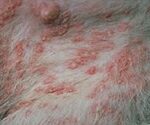
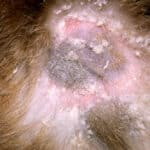
Animals are also increasingly reacting to various feedstuffs with intolerances/allergies, which can manifest themselves in very different ways.
Chronic illnesses also require a special diet to relieve the strain on the body.
We advise you on feed allergies, feed intolerances and special organ-related diseases such as kidney disease, diabetes or liver and pancreatic diseases.
We also provide you with support with the nutrition of pregnant animals, puppies and obese (too fat) animals.
Since this topic is very important to us, we have also worked on developing our own dog food. This was developed to food standard, meaning without animal by-products and unhealthy additives and only with local products.
Talk to us, we will be happy to provide you with information or we would be happy to work with you to develop a special diet for your pet!
Nutritional advice from the vet: A comprehensive guide
Introduction
Nutritional advice from a veterinarian is an important aspect of animal health and plays a crucial role in the prevention and treatment of various diseases. A balanced diet is essential for the well-being of our pets and contributes to a better quality of life. In this article we will go into detail about the different aspects of nutritional advice and help you find the right diet for your pet.
Why is nutritional advice from the vet important?
Nutritional advice helps pet owners better understand their animals' specific needs and develop an appropriate diet. Veterinarians are experts in this field and can make personalized recommendations based on the needs of each individual animal. Factors such as age, weight, activity level, race and any health problems are taken into account. Proper nutrition can help prevent disease and increase the life expectancy of our pets.
Basics of Animal Nutrition: What Your Animal Really Needs
To understand your pet's nutritional needs, you should first familiarize yourself with basic nutritional principles. This includes:
- Energy requirements : An animal's energy requirements depend on various factors, such as age, weight, activity level and health status. Feeding according to needs ensures that your animal receives sufficient energy without the risk of becoming overweight.
- Proteins : Proteins are essential for building and maintaining muscles, organs and other body structures. Make sure your pet's food contains sufficient amounts of high-quality proteins.
- Fats : Fats provide energy and essential fatty acids needed for various body functions. The right amount and composition of fats in the food is important for your animal's health.
- Vitamins and minerals : Vitamins and minerals are essential for numerous metabolic processes and the function of the immune system. A balanced supply of these nutrients is crucial for your animal's well-being.
Nutritional advice for different animal species
dogs
Dogs have specific nutritional requirements that depend on their size, breed and activity level. Veterinarians can provide recommendations on the optimal composition of proteins, fats, carbohydrates, vitamins and minerals. The dog's preferences and intolerances must also be taken into account.
Cats
Cats are obligate carnivores and require a diet rich in protein. Veterinarians can provide advice on optimal nutrition, including the right balance of taurine, arginine, vitamins and minerals to ensure optimal health and a shiny coat.
Rabbits
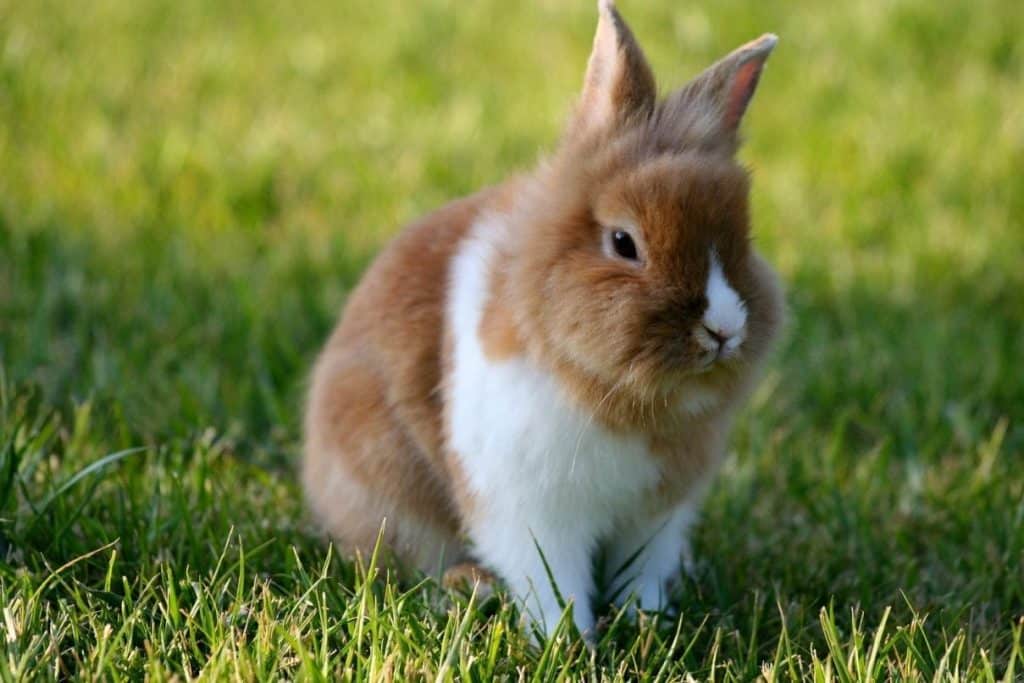
Rabbits have sensitive digestion and need a sufficient amount of fiber. For this reason, hay should always be freely available. It is also important that the rabbit gets enough exercise to stimulate digestion. Rabbits also need vitamins and minerals, which they get from their food. It is important that the food contains sufficient calcium and vitamin D, otherwise rabbits can suffer from bone problems.
Guinea pig
Guinea pigs have a sensitive gastrointestinal tract and require a balanced diet rich in fiber. Hay is the most important source of food and should always be freely available. Guinea pigs also need vitamin C because they cannot produce it themselves. Therefore, they should be provided with fresh fruit and vegetables that have a high vitamin C content every day.
In addition to hay and green fodder, rabbits and guinea pigs also need dry food. However, this should only serve as a supplement and not the main source of nutrition. Make sure the food is of high quality and does not contain any added sugars or preservatives.
Drinking water should always be freely available and renewed daily. It is important to ensure that the water is always fresh and clean.
Avoid feeding cabbage, leeks, onions, garlic, tomatoes, potatoes or avocados as these are poisonous to rabbits and guinea pigs.
You can find further information on the topic of nutritional advice here.
team will be happy to answer any further questions you may have .