
Canine/Feline Dermatitis-Pyoderma: A Guide for Pet Parents
There is nothing worse than seeing our four-legged family members suffer. Dog/cat skin inflammation (pyoderma) is a common but preventable condition that can affect the health and well-being of our furry friends. In this article, we take a comprehensive look at this skin condition and learn how to treat and prevent it.
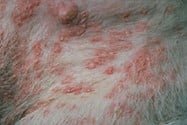
What is Dermatitis Pyoderma?
Dermatitis (pyoderma) is a bacterial infection of the skin that can affect both dogs and cats. It is usually caused by bacteria such as Staphylococcus pseudintermedius or Escherichia coli. There are different forms of pyoderma, ranging from superficial to deep skin infections.
Signs and symptoms of dermatitis pyoderma in dogs/cats
Symptoms of dermatitis pyoderma in dogs and cats can vary, but here are some of the most common signs:
- Redness and swelling of the skin
- Itching and scratching
- Hair loss
- Pustules or blisters on the skin
- Flaking or crusting
- Unpleasant smell
Causes and risk factors
The main cause of skin inflammation - pyoderma in dogs / cats is an overgrowth of bacteria on the skin. Several factors can increase the risk of infection, including:
- Allergies: Dogs and cats can be allergic to certain environmental factors or foods, causing skin irritation and increasing the risk of pyoderma.
- Parasites: Fleas, ticks, and mites can cause skin irritation and itching, increasing the likelihood of skin infection.
- Immunodeficiency: A weakened immune system can affect the animal's ability to fight off bacteria.
- Moisture: A damp coat promotes the growth of bacteria and increases the risk of skin infection.
Diagnosis and treatment of dermatitis pyoderma in dogs/cats
If you suspect your pet is suffering from skin inflammation (pyoderma), it is important to see a veterinarian to ensure proper diagnosis and treatment. The vet will perform a physical exam and may take skin samples to confirm the type of infection.
Medication
The treatment of skin inflammation - pyoderma in dogs / cats depends on the severity of the disease. In many cases, the veterinarian a combination of topical and oral medications, such as:
- Antibiotics: These medications fight the bacterial infection and are often taken for several weeks.
- Antifungal medications: If you have a fungal infection, your vet may also prescribe antifungal medication.
- Steroids or antihistamines: These medications can relieve itching and inflammation to aid the healing process.
Supportive care
veterinarian can make recommendations for supportive care measures to promote the healing process and prevent future dermatitis pyoderma in dogs/cats. Some of these measures can be:
- Regular grooming: Good grooming helps reduce tangles and moisture, which promote the growth of bacteria.
- Skin care products: Special shampoos or creams can help keep your pet's skin healthy and protected.
- Parasite Control: Regular use of flea and tick treatments can reduce the risk of skin irritation and infection.
- Change in diet: A hypoallergenic diet can help reduce allergic reactions and associated skin problems.
Frequently asked questions (FAQs) about dermatitis-pyoderma in dogs/cats
Can skin inflammation (pyoderma) be contagious in dogs and cats?
Although skin inflammation (pyoderma) itself is not contagious, underlying causes such as parasites or fungal infections can be transmissible. That's why it's important to follow your veterinarian's recommendations for parasite control.
How long does it take for skin inflammation (pyoderma) in dogs/cats to heal?
The healing time varies depending on the severity of the disease and the individual reaction of the animal to the treatment. As a rule, improvement should be noticeable within one to two weeks after starting treatment. However, in some cases it may take longer, especially for deep skin infections or if the animal has underlying health problems.
Can skin inflammation (pyoderma) become chronic in dogs/cats?
In some cases, dogs and cats can be prone to recurring skin infections, especially if the underlying causes, such as allergies or immune deficiency, are not adequately treated. It's important to follow your veterinarian's instructions carefully and have regular follow-up exams to ensure your pet's long-term health.
Conclusion
Canine/feline dermatitis pyoderma is a common but treatable condition caused by bacterial infections of the skin. Early diagnosis and appropriate treatment are crucial to promote the healing process and reduce the risk of complications.
As a responsible pet parent, it is important to find out about the causes, symptoms and treatment options for dermatitis pyoderma in dogs/cats and to consult a veterinarian if necessary. By following supportive care recommendations and implementing preventive measures, you can help keep your furry family members healthy and happy.