Cancer in animals

Salivary gland cancer in cats

Salivary gland cancer in cats

From a veterinary perspective, a newly appearing, firm, or slowly growing swelling on the lower jaw, at the base of the ear, or on the side of the neck should not be observed for days or weeks in a cat, but rather examined promptly. It is typical for adenocarcinoma of the parotid or mandibular gland (salivary gland cancer) in cats that the change may initially be painless. This often leads owners to wait too long in practice.

Salivary gland cancer in cats Read More »

Prostate cancer

Prostate cancer in dogs

Adenocarcinoma of the prostate in dogs, prostate cancer in dogs, cancer of the prostate gland in dogs, prostate tumor in dogs, prostate diseases in dogs, hematuria in dogs, dysuria in dogs, pollakiuria in dogs, tenesmus in dogs, metastases in dogs, canine oncology, prostate diagnosis in dogs, prostate therapy in dogs, radiation therapy in dogs, chemotherapy in dogs, pain management in dogs, older male dogs, veterinary oncology

Prostate cancer in dogs Read More »

Cancer of the external ear canal in cats

Cancer of the external ear canal in cats

If you suspect your cat has adenocarcinoma of the ceruminous glands of the ear (cancer in the external ear canal), you should consult a veterinarian promptly, within 2 to 3 days. This is especially important if there is unilateral, foul-smelling, or bloody ear discharge, visible pinkish growths in the ear canal, head tilt, dizziness, an uncoordinated gait, frequent scratching of the ear, or enlarged lymph nodes in the head and neck area.

Cancer of the external ear canal in cats Read More »

Mast cell tumor

Mast cell tumor in dogs and cats

Mast cell tumors are among the most important skin tumors in small animal medicine. In dogs, mast cell tumors are the most common or one of the most common malignant skin tumors, accounting for approximately 16 to 21 percent of all cutaneous skin tumors, depending on the source. Mast cell tumors also occur in cats, primarily in cutaneous, splenic, or intestinal forms. Internationally recognized veterinary sources such as the Merck Veterinary Manual, the WSAVA, and the VCA describe the clinical presentation as extremely variable: from small, seemingly harmless nodules to aggressive, rapidly growing, ulcerated tumors. (merckvetmanual.com)

Mast cell tumor in dogs and cats Read More »

Osteosarcoma in dogs

Osteosarcoma in dogs

Osteosarcoma in dogs is the most common primary bone tumor in this species and presents veterinarians worldwide with significant clinical challenges. Approximately 85% of all diagnosed bone tumors in dogs are osteosarcomas. Despite decades of research, key questions regarding its pathogenesis, optimal treatment, and long-term survival remain unanswered.

This guideline is based on the current state of the literature and was developed by an international group of experts. Its aim is to support veterinary professionals in evidence-based decision-making – particularly in the management of osteosarcomas of the appendicular skeleton in dogs.

Osteosarcoma in dogs Read More »

Oncology in veterinary medicine

Oncology in veterinary medicine

In veterinary oncology, numerous misconceptions and misunderstandings exist that can unsettle both pet owners and veterinary professionals. These misconceptions often concern tumor behavior and the effects of diagnostic or therapeutic interventions. In this article, we aim to clarify some of these misconceptions to alleviate anxieties and promote effective diagnostics and treatment for our animal patients.

Oncology in veterinary medicine Read More »

Leiomyosarcoma in dogs

Leiomyosarcoma in dogs

Leiomyosarcoma is an extremely rare but highly malignant tumor that occurs primarily in the gastrointestinal tract of dogs. Due to its aggressive growth pattern and challenging location, it presents a particular challenge in veterinary treatment. In this article, we would like to provide you with detailed information about leiomyosarcoma in dogs, its symptoms, diagnosis, treatment options, and prognosis.

Leiomyosarcoma in dogs Read More »

Oral cavity tumors in cats

Oral cavity tumors in cats

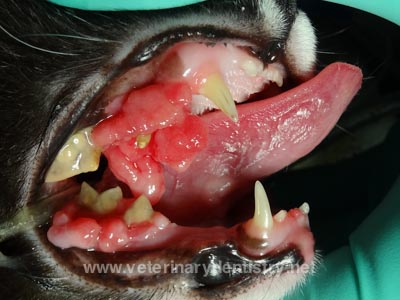
Oral tumors are among the most significant health challenges in cats. These tumors, which primarily develop in the oral cavity, can considerably impair the well-being and quality of life of our beloved pets. In this article, we explore the various aspects of this disease, from pathogenesis to treatment, to provide cat owners and veterinarians with a comprehensive understanding.
Oral cavity tumors in cats Read More »

Macrophage research in dogs

Macrophage research in dogs

In the world of veterinary medicine and immunology, the study of macrophages, particularly in dogs, is an increasingly important topic. Macrophages, which act as key cells of the immune system, play a crucial role in fighting infections and in the development of cancers. This article provides a detailed overview of the latest findings in macrophage research in dogs, with a particular focus on the differentiation and function of these cells in disease states.

Macrophage research in dogs Read More »

Tumour diseases in pets

Tumour diseases in pets

Tumors in pets are a widespread problem that causes great concern for both pet owners and veterinarians. The Arndt Small Animal Center is therefore intensively dedicated to oncology in order to provide animals with cancer the best possible care and treatment. This article presents some of the most common tumors in pets, explains their causes and symptoms, and discusses the various treatment approaches.

Tumour diseases in pets Read More »

Cancer in dogs

Cancer in dogs

Cancer is a common disease in dogs and can cause both benign and malignant tumors. Since early detection is crucial for successful cancer treatment in dogs, it's important to be informed about potential symptoms and treatment options. This article will discuss the various aspects of cancer in dogs to give you a comprehensive understanding of this disease.

Cancer in dogs Read More »

Scroll to Top