Dental treatments

Dental cleaning for dogs without anesthesia

Dental cleaning for dogs without anesthesia

As a practicing veterinarian and medical director of our small animal clinics, I frequently see dogs whose teeth have been cleaned "cosmetically"—often by providers outside the veterinary profession. Under the enticing promise of "quick, gentle, and affordable," dental cleaning for dogs without anesthesia is advertised. What sounds harmless is, in reality, a problem from an animal welfare and public health perspective, posing significant risks to your pet. In Germany, veterinary dentistry is legally reserved for licensed veterinarians. Removing tartar—especially below the gum line (subgingival)—is a painful, invasive procedure that cannot be performed humanely without adequate pain management. Therefore, dental cleaning for dogs without anesthesia is not only medically risky but also legally impermissible.

Dental cleaning for dogs without anesthesia Read More »

Buried knot after tooth extraction

Buried knot after tooth extraction

As veterinarians (small animal practice, specialising in dentistry among other things), we have been observing for many years how crucial it is for cats to have a clean, non-irritating and stable wound care after tooth extraction. In recent months, a prospective study has been the subject of much discussion: it compares a „recessed“ knot technique - the buried knot for cat tooth extraction - with the usual external knot placement in a simple single knot. The results fit very well with my practical experience and give cat owners clear guidance: the buried knot for cat tooth extraction can visibly reduce early healing irritation without impairing the success rate of wound healing. SAGE Journals

Buried knot after tooth extraction Read More »

Teething problems in young dogs

Teething problems in young dogs

Teething problems in young dogs are more common than many owners realize. Normal teething usually begins between 12 and 16 weeks of age, depending on the breed, and is typically completed by 6-7 months. During this important developmental phase, complications can arise, ranging from harmless, temporary irritations to conditions requiring treatment. As a veterinarian, I place great importance on owners understanding early on which signs are harmless and which are critical. Untreated teething problems in young dogs can cause pain, malocclusion, periodontitis, jawbone changes, and even long-term behavioral changes.

Teething problems in young dogs Read More »

Ameloblastoma in dogs

Ameloblastoma in dogs

Ameloblastoma is one of the most common odontogenic tumors in dogs. Although histologically benign, it is locally invasive: without early removal, the tumor can severely destroy the bone of the upper or lower jaw, loosen teeth, and make eating painful. In rare cases, it also occurs as a peripheral soft tissue tumor. Our goal is always complete removal with curative intent, as this is the only way to prevent recurrence and preserve the quality of life of our four-legged patients. Studies show that conservative interventions such as curettage alone lead to rapid recurrence in over 90% of cases.

Ameloblastoma in dogs Read More »

fully digital dental x-ray

Fully digital dental X-ray

Modern veterinary medicine is developing rapidly – particularly in the field of imaging. A key element of this development is fully digital dental radiography, which is increasingly establishing itself as an indispensable diagnostic tool in the treatment of small animals and companion animals. Precise assessment of dental health is crucial, especially in dogs, cats, rabbits, guinea pigs, and other companion animals. Fully digital dental radiography provides detailed insights into tooth and jaw structures – quickly, safely, and with minimal radiation exposure.

Fully digital dental X-ray Read More »

Dental crowns in dogs

Dental crowns for dogs – new

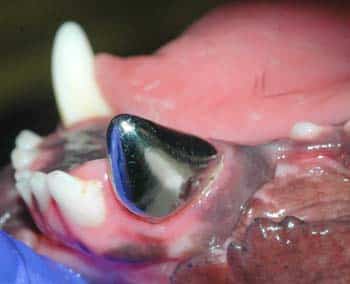
We are pleased to announce that we now offer a new, advanced service at the Arndt Small Animal Center and the Malsch Veterinary Practice: dental crowns for dogs. In cooperation with a renowned human medical laboratory specializing in the production of custom-made dental products, we now offer individually crafted dental crowns for dogs, precisely tailored to the needs of your beloved pet, just like human crowns.

Dental crowns for dogs – new Read More »

Epulides in dogs

Epulides in dogs

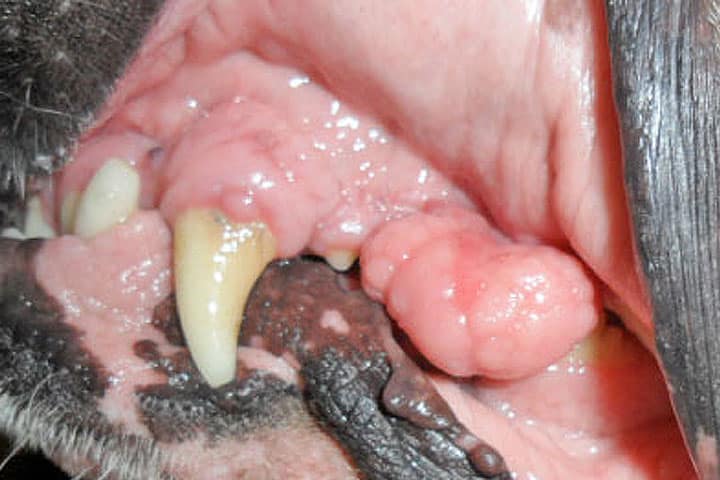
Epulids are a common condition in dogs that can cause concern for pet owners. In this article, we provide a comprehensive overview of what epulids are, identify their causes and symptoms, and offer detailed recommendations for supporting and treating affected dogs. Our goal is to expand your knowledge and provide you with practical advice to promote the health and well-being of your four-legged friend.

Epulides in dogs Read More »

Tartar in dogs

Tartar in dogs

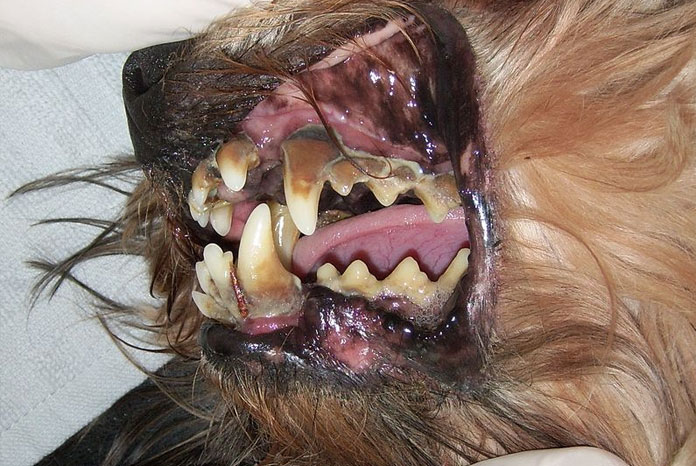
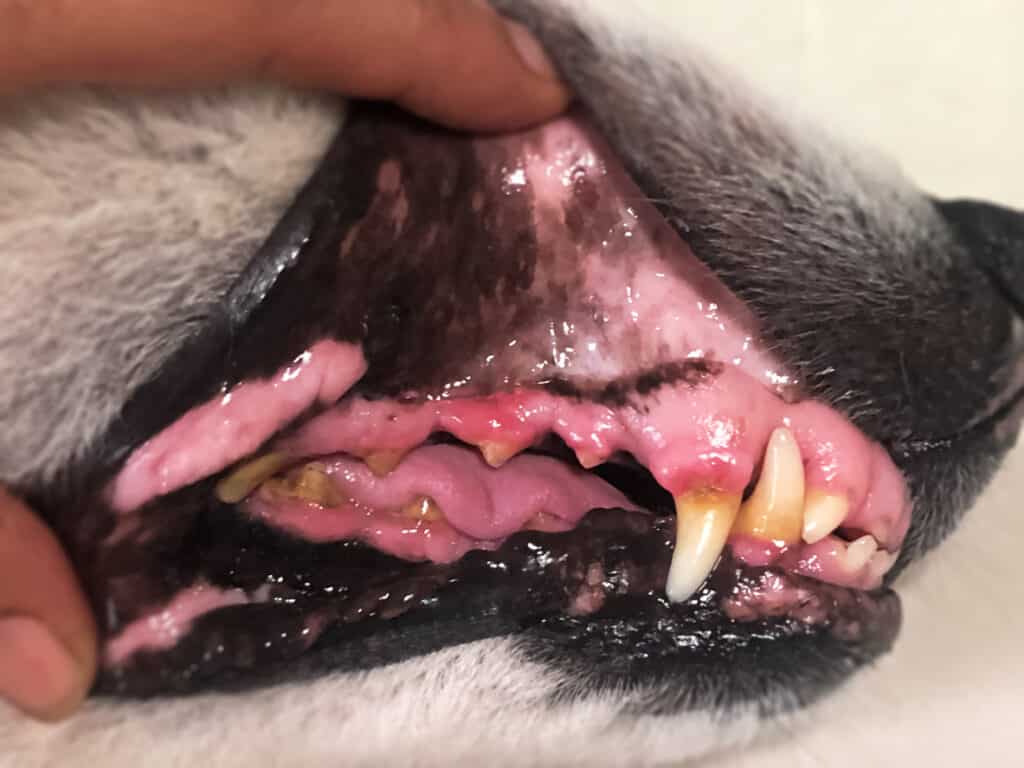
In the world of pet care, the dental health of our four-legged friends is of paramount importance. A common problem in dogs is tartar, a condition that not only affects their well-being but can also lead to more serious health issues. In this article, we address this important topic and provide you with comprehensive information and practical tips on how to prevent and effectively combat tartar in your dog.

Tartar in dogs Read More »

Dental problems in dogs

Dental problems in dogs

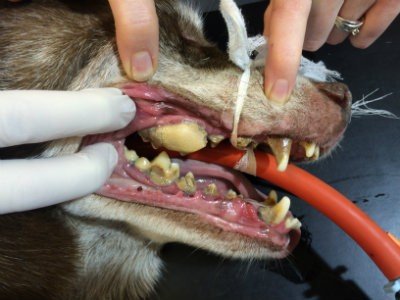
In the world of pet care, dental health is an often underestimated but essential topic, especially for dogs. Dental problems can not only cause your dog pain and discomfort but also lead to serious health issues. In this article, we explore the importance of dental health in dogs and offer comprehensive solutions for effective prevention and treatment.

Dental problems in dogs Read More »

Dental problems in guinea pigs

Dental problems in guinea pigs

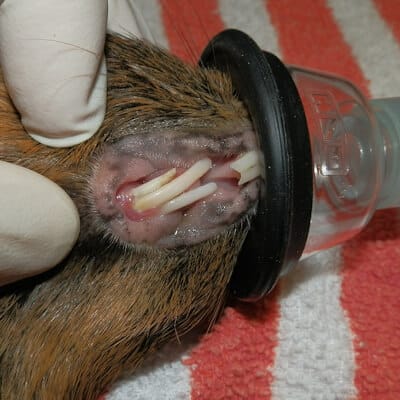
Guinea pigs are popular pets with specific care and nutritional needs. Their teeth are a key factor in their well-being. Guinea pig teeth grow continuously, requiring special attention to prevent dental problems. This article will discuss in detail the various aspects of guinea pig dental health, potential problems and treatment options, as well as preventative measures.

Dental problems in guinea pigs Read More »

Orthodontics in dogs

Orthodontics in dogs

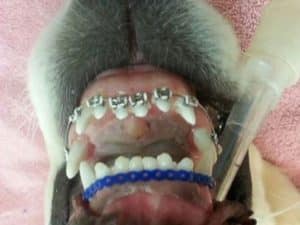
Orthodontics in dogs is a specialty within veterinary medicine that focuses on the diagnosis, prevention, and treatment of dental and jaw misalignments. A variety of malocclusions can affect your dog's well-being. In this article, we'll delve deeper into the different types of dental misalignments, how they can be diagnosed and treated, and why early intervention is crucial for improving your dog's quality of life.

Orthodontics in dogs Read More »

beautiful smile 1637733

Brushing teeth for dogs & cats

It's no secret that our four-legged friends are like family to us. But how often do we think about their oral health? Brushing your dog's and cat's teeth is an essential part of their care to prevent dental problems and gum disease. In this article, we'll take a closer look at the art of brushing your dog's and cat's teeth and give you valuable tips and tricks to keep your furry friends' smiles sparkling.

Brushing teeth for dogs & cats Read More »

Scroll to Top