
Cancer in dogs: early detection, diagnosis and modern therapeutic approaches
introduction
Cancer is a common disease in dogs and can cause both benign and malignant tumors. Since early detection is crucial to the successful treatment of cancer in dogs, it is important to be informed about possible symptoms and treatment options. In this article, we will discuss the different aspects of canine cancer to give you a comprehensive understanding of this disease.
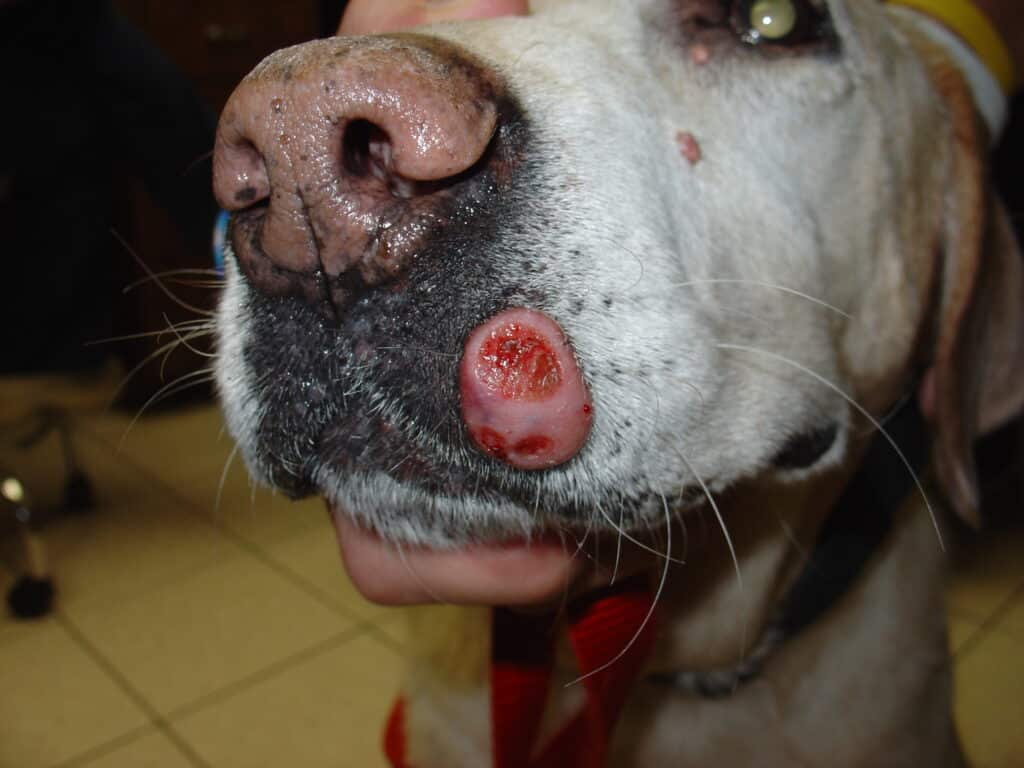
(C) https://en.wikipedia.org/wiki/Veterinary_oncology#/media/File:Mast_cell_tumor_on_lip.JPG
Cancer development in dogs
Cancer arises from the uncontrolled division and proliferation of cells, which can subsequently lead to tumors. The exact causes of cancer in dogs are varied and can include genetic factors, environmental influences, diet and age. A better understanding of risk factors can help take preventative measures and reduce the likelihood of cancer.
Common Cancers in Dogs
Different types of cancer occur in dogs, with the skin being the most commonly affected. Other common types of cancer include tumors in the digestive tract, mammary glands, urinary and reproductive systems, and the lymphatic and immune systems.
Early detection and diagnosis of cancer in dogs
Early detection of cancer in dogs is crucial to the successful treatment of the disease. Regular veterinary exams and careful observation of your dog's behavior and physical condition can help identify possible symptoms early. The most common signs of cancer in dogs include:
- Swelling or lumps that no longer go away or grow
- weight loss
- Loss of appetite
- Loss of movement, declining fitness
- Stiffness, persistent lameness
- poorly healing wounds
- Problems swallowing and chewing food
- Bleeding or other discharge from body openings
- Difficulty breathing and problems passing stool and urine
- unpleasant smell
Various imaging techniques are available to diagnose cancer in dogs, such as X-rays, ultrasound or magnetic resonance imaging. Cytological examinations can also provide information about whether a tumor is benign or malignant.
Treatment options for cancer in dogs
There are numerous treatment options for dogs with cancer, which must be individually tailored depending on the type and stage of the disease. The most common therapy procedures are:
- Surgical removal of the tumor: For benign tumors or tumors that have not yet spread, surgical removal of the tumor tissue may be the best treatment option.
- Chemotherapy: The administration of drugs that inhibit the growth of or kill cancer cells can be used for malignant tumors or tumors that have already metastasized.
- Radiation therapy: Irradiating the tumor with ionizing radiation can slow or stop tumor growth and is particularly applicable to tumors that cannot be removed surgically.
- Immunotherapy: Stimulating the body's immune system to fight cancer cells can be promising for certain types of cancer.
- Targeted therapy: For some types of cancer, targeted therapeutics can be used that block specific signaling pathways or receptors in cancer cells and thus inhibit tumor growth.
- Palliative therapy: In advanced cancer cases where a cure is no longer possible, the focus is on relieving pain and improving the animal's quality of life.
Common Questions FAQs About Cancer in Dogs:
What types of cancer are most common in dogs?
Common types of cancer in dogs include skin cancer, tumors in the digestive tract, mammals, urinary and reproductive system, lymphatic and immune systems as well as in the mouth and throat.
How can I get my dog checked for cancer?
Regular checkups at the vet are important to detect cancer early. Imaging methods such as x-rays, ultrasound and magnetic resonance imaging as well as cytological examinations can be used for diagnosis.
What treatment options are there for dogs with cancer?
Cancer therapy in dogs includes various approaches, such as surgical removal of the tumor, chemotherapy, radiation therapy or drug treatments. The best option depends on the type of cancer and the individual condition of the animal.
Conclusion
Cancer in dogs is a complex and far-reaching issue. Early detection and diagnosis are crucial for the prognosis and successful treatment of the disease. The selection of the appropriate therapy option depends on the type and stage of the tumor as well as the individual circumstances of the affected animal.
Collaboration between the veterinarian, the pet owner and, if necessary, other specialists is crucial to ensure the best possible care and treatment for the sick dog. The focus should always be on the needs and well-being of the animal in order to achieve the highest possible quality of life despite the cancer.
For future research approaches in veterinary medicine, it would be desirable to better understand the molecular mechanisms of cancer development in dogs and to develop new diagnostic and therapeutic methods. This could help to further improve the prognosis for dogs with cancer and reduce the suffering of these animals and their owners.
If you have any questions about the topic, vet Sheila Martins , GPCert Oncol. Catherine Grötz-Stergiou or Ms. Anna Daum are available.