
Thoracic Injuries in Dogs and Cats: A Comprehensive Guide for Concerned Pet Owners
- Thoracic Injuries in Dogs and Cats: A Comprehensive Guide for Concerned Pet Owners
- Introduction: Thoracic injuries in dogs and cats – what you need to know
- Types of thoracic injuries in dogs and cats
- Causes of thoracic injuries in dogs and cats
- Symptoms of thoracic injuries in dogs and cats
- Treatment of thoracic injuries in dogs and cats
- Prevention of thoracic injuries in dogs and cats
- Thoracic injuries in dogs and cats - first aid measures
- Mouth-to-snout resuscitation in dogs and cats
- Frequently asked questions about thoracic injuries in dogs and cats
- Conclusion
Introduction: Thoracic injuries in dogs and cats – what you need to know
When it comes to our beloved four-legged friends, it is important to be informed and vigilant in order to provide them with the best possible care when needed. One such common but often overlooked injury is thoracic injuries in dogs and cats. In this article, we will delve into this topic in depth so that you know how to identify and treat such injuries.
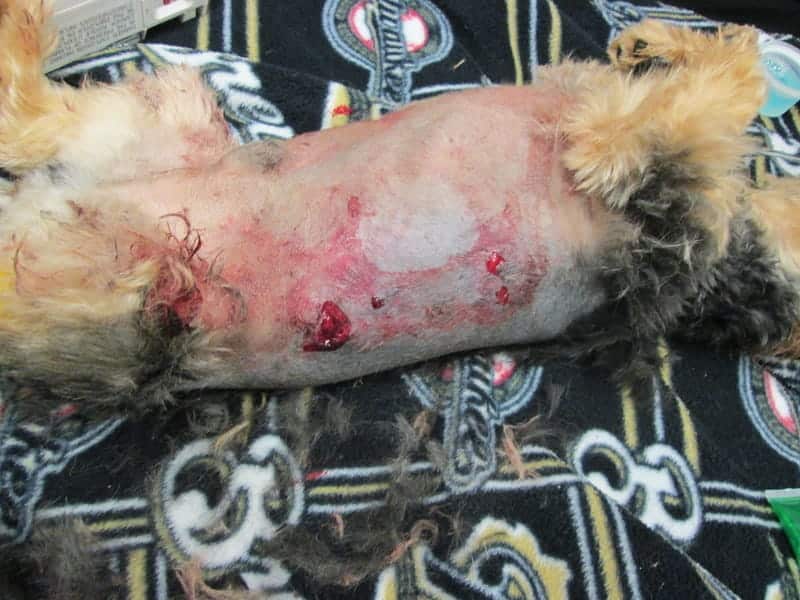
Types of thoracic injuries in dogs and cats
Rib fractures
A common type of thoracic injury in dogs and cats is rib fractures, which can be caused by trauma such as falls, accidents or kicks. These are fractures of the rib bones, which can cause the animal pain and limited movement.
Lung and airway injuries
Another possible problem is injury to the lungs and airways, such as lung contusions, tracheal ruptures, or pneumothorax. Such injuries can be caused by strong impact, pressure or sharp objects.
Chest wall injuries
Chest wall injuries, such as wounds, hematomas, or contusions, can also occur in animals. They often arise from accidents, fights or bites from other animals.
Causes of thoracic injuries in dogs and cats
- Accidents (e.g. car accidents, falls)
- Fight with other animals
- Mishaps in the household (e.g. falling objects)
- Pushes or kicks by people
- Gunshot wounds
Symptoms of thoracic injuries in dogs and cats
Some common signs of chest injuries in dogs and cats include:
- Difficulty breathing
- Pain or discomfort
- Swelling or deformation in the chest area
- Lethargy or reduced activity
- Cough or bloody sputum
Treatment of thoracic injuries in dogs and cats
Treatment of thoracic injuries in dogs and cats depends on the severity of the injury and should always be done under the guidance of a veterinarian. Here are some general treatment options:
- Painkillers and anti-inflammatory medications
- Immobilization and restriction of movement
- Stabilization of fractures or injuries with bandages or splints
- Antibiotics for infections or open wounds
- Surgical procedures for serious injuries or complications
- Physiotherapy to support healing and rehabilitation
Prevention of thoracic injuries in dogs and cats
Although not all thoracic injuries are preventable, there are some steps pet owners can take to minimize the risk of such injuries:
- Make sure your pet is always supervised, especially when outside
- Avoid situations in which your pet could come into contact with aggressive animals
- Carry out regular safety checks in your home to identify and eliminate potential hazards
- Do not let your pet walk off-leash near busy roads
Thoracic injuries in dogs and cats - first aid measures
Thoracic injuries in dogs and cats can lead to serious and potentially life-threatening conditions. It is important to recognize the signs of a thoracic injury and administer immediate first aid measures to stabilize the dog's condition and reduce the risk of complications. The following describes the signs of chest injuries in dogs and cats and the corresponding first aid measures.
Signs of thoracic injuries in dogs and cats
Some common signs of a chest injury in dogs and cats include:
- Difficulty breathing or shortness of breath
- Blue tongue or mucous membranes (cyanosis)
- Pain or discomfort when breathing
- Swelling or deformation of the chest
- Blood or foam from nose or mouth
If one or more of these symptoms are noticed in a dog/cat, it is important to immediately administer first aid measures and take the dog/cat to a veterinarian as quickly as possible.
First aid measures for chest injuries in dogs and cats
1. Ensure safety for the helper and the dog/cat
First of all, you should be aware of your own safety as injured dogs can become aggressive due to pain or fear. It may be helpful to use a muzzle or an improvised mouth sling to protect yourself from possible bites.
First of all, you should be aware of your own safety as injured cats can become aggressive due to pain or fear. It may be helpful to place a blanket or towel over the cat to calm it and protect it from possible scratches or bites.
2. Assess the dog or cat and check breathing
Assess the dog/cat and check his breathing. Make sure the airway is clear of foreign objects and the dog can breathe freely. If the dog is not breathing, begin cardiopulmonary resuscitation (CPR).
3. Stabilization of the chest
If the dog/cat's chest is deformed or depressed, it may be helpful to gently stabilize the chest by wrapping it with soft padding or a rolled up towel. Be careful not to wrap the chest too tightly, as this can further restrict breathing.
4. Oxygen supply
If available, oxygen can be administered to the dog/cat via an oxygen mask or tube to improve oxygenation and relieve respiratory distress. In emergencies, you can try to give the dog oxygen through his mouth (mouth-to-snout resuscitation).
5. Transport to the vet
Once the dog is stabilized and first aid measures have been completed, it should be transported to the vet as quickly as possible. During transport, the dog/cat should be kept in a stable lateral position to facilitate breathing and avoid further pressure on the injured chest. Avoid abrupt movements or shocks during transportation to prevent additional pain or injury.
Prevention of thoracic injuries in dogs
To reduce the risk of chest injuries in dogs, dog owners should take some basic safety measures:
- Keep dogs on a leash, especially near roads or unfamiliar surroundings, to avoid accidents or collisions.
- Provide adequate exercise and training to strengthen the dog's muscles and bone structure and reduce the risk of injury.
- Keep dogs away from potentially dangerous situations or objects, such as: B. sharp-edged objects or high jumps.
Prevention of thoracic injuries in cats
To reduce the risk of chest injuries in cats, cat owners should take some basic safety measures:
- Keep cats indoors or, if they are allowed outdoors, ensure they are in a safe environment to avoid accidents or collisions.
- Keep cats away from potentially dangerous situations or objects, such as: B. sharp-edged objects or high jumps.
- Regular veterinary visits to check the cat's overall health and early detection of possible health problems.
Mouth-to-snout resuscitation in dogs and cats
Mouth-to-snout resuscitation is a first aid measure that can be used when a dog or cat is not breathing on its own due to respiratory failure, suffocation, or severe breathing problems. It is important that pet owners understand this technique and know how to perform it correctly in order to provide effective assistance in an emergency. The following describes how to perform mouth-to-snout resuscitation in dogs and cats.
Mouth-to-snout resuscitation in dogs
- Check the dog's breathing. Place your hand in front of the dog's nose to see if you can feel a breath. Also pay attention to chest movements. If the dog is not breathing, go to step 2.
- Secure the airway. Open the dog's mouth and pull out the tongue to ensure the airway is clear of foreign objects. Close the dog's mouth while keeping the tongue stuck out.
- Position the dog. Lay the dog on its right side so that its head and neck are aligned straight.
- Mouth-to-snout resuscitation. Grasp the dog's muzzle with your hands and keep them closed. Place your mouth firmly over the dog's nose and gently inhale into the nose. As you do this, watch the dog's chest rise. Then let go of the snout so that the air can escape again.
- Repeat ventilation. Perform mouth-to-snout resuscitation every 3-5 seconds until the dog is breathing on its own again or you have reached the vet.
Mouth-to-snout resuscitation in cats
- Check the cat's breathing. Place your hand in front of the cat's nose to see if you can feel a breath. Also pay attention to chest movements. If the cat is not breathing, go to step 2.
- Secure the airway. Open the cat's mouth and pull out the tongue to make sure the airway is clear of foreign objects. Close the cat's mouth while keeping the tongue stuck out.
- Position the cat. Lay the cat on its right side so that its head and neck are straight.
- Mouth-to-snout resuscitation. Grasp the cat's muzzle with your hands and keep it closed. Place your mouth firmly over the cat's nose and gently inhale into the nose. As you do this, watch the cat's chest rise. Then let go of the snout so that the air can escape again.
- Repeat ventilation. Perform mouth-to-snout resuscitation every 3-5 seconds until the cat is breathing on its own again or you have reached the vet.
Important instructions
- Only use mouth-to-mouth resuscitation when the animal is not breathing and no heartbeat is felt. If the animal is still breathing or has a heartbeat, ventilation can cause harm.
- For large dogs, you may need to blow more forcefully into the nose to raise the chest, while for smaller dogs or cats, gentler breathing is sufficient.
- If necessary, combine mouth-to-mouth resuscitation with chest compressions to maintain blood flow.
- Be careful not to blow air into your stomach during mouth-to-mouth resuscitation. This can lead to stomach bloating and other complications.
Frequently asked questions about thoracic injuries in dogs and cats
How long does it take for a thoracic injury to heal in dogs and cats?
The healing time depends on the type and severity of the injury as well as the age and general health of the animal. While minor injuries may heal within a few weeks, more serious injuries may take several months.
Can my animal make a full recovery after a thorax injury?
In many cases, animals can make a full recovery after successful treatment. However, this depends on the type of injury and the animal's individual ability to heal. Severe injuries can result in permanent restrictions or impairments.
How can I tell if my pet is in pain?
Animals often show pain through behavioral changes, such as B. Lethargy, restlessness, aggression or increased panting. If you notice such signs in your animal, you should consult a veterinarian to clarify the cause and, if necessary, initiate pain therapy.
When should I take my pet to the vet if I suspect a chest injury?
If you suspect a chest injury, you should take your pet to the vet as quickly as possible. Do not delay a visit to the vet as some chest injuries can cause life-threatening complications.
Conclusion
Thoracic injuries in dogs and cats can cause serious health problems and require immediate veterinary attention. As a responsible pet owner, it is important to be aware of the different types of thoracic injuries, their symptoms, and treatment options. By taking proactive measures to prevent injuries and closely monitoring your pet, you can help minimize the risk of such injuries and ensure the health and well-being of your four-legged friend. However, if you notice signs of a thoracic injury in your dog or cat, do not hesitate to consult a veterinarian immediately to ensure appropriate diagnosis and treatment. Collaboration and communication with your veterinarian is critical to ensuring a quick and complete recovery for your pet.
Pingback: 7 measures to take in emergencies with dogs - Karlsruhe Veterinarian - Arndt Small Animal Center