
- Comprehensive Guide to Ferret Diseases
- Introduction
- General health prevention
- Common diseases and their treatment
- Eye diseases in ferrets -
- Aujeszky virus in ferrets - ferret diseases
- Parasites in ferrets - ferret diseases
- Botulism in Ferrets - Ferret Diseases
- Gastrointestinal diseases in ferrets - ferret diseases
- Common colds in ferrets- Ferret diseases
- Heart Problems and Heat Stroke in Ferrets - Ferret Diseases
- Hormonal Disorders in Ferrets - Ferret Diseases
- Internal parasites in ferrets - ferret diseases
- Vaccinations for ferrets
- Ferret Diseases FAQ
- Summary of ferret diseases
Comprehensive Guide to Ferret Diseases
Introduction
Ferrets are popular pets known for their lively and playful nature. However, like all animals, ferrets can be subject to various health problems. In this guide, you'll learn all about the most common diseases affecting ferrets, their symptoms, prevention, and treatment options.
General health prevention
Species-appropriate husbandry and a balanced diet are crucial to maintaining your ferret's health. Regular checks and a clean environment help prevent illness. It is important that you observe your ferret daily and contact a veterinarian .
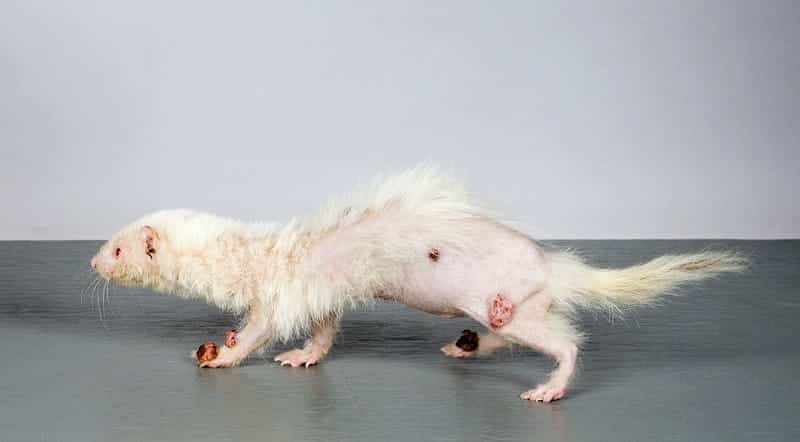
(C) https://www.msdvetmanual.com/exotic-and-laboratory-animals/ferrets/neoplasia-of-ferrets
Common diseases and their treatment
Eye diseases in ferrets -
- Ferret diseases
Eye disease is an important health issue in ferrets that should not be underestimated. A healthy ferret should have clear, bright eyes without redness, discharge, or swelling. As soon as you notice any changes, it is important to act immediately to ensure the well-being of your little friend.
Common eye diseases in ferrets:
Inflammation of the conjunctiva (conjunctivitis)
Conjunctivitis is one of the most common eye diseases in ferrets. It can be triggered by various causes such as bacteria, viruses, allergies or foreign bodies in the eye. Typical symptoms include redness, swelling, increased tear flow or purulent secretion. Early treatment from a veterinarian is crucial to avoid deterioration.
Keratitis (inflammation of the cornea)
Inflammation of the cornea in ferrets can result from injuries, infections or UV damage. Symptoms of keratitis include redness, tenderness to light, and clouding of the cornea. It is important to act quickly and initiate professional treatment to prevent long-term damage.
Dry eyes (keratoconjunctivitis sicca)
This condition occurs when not enough tears are produced to keep the eye moist. Symptoms include dry, dull eyes, increased friction and possibly secretion. Dry eyes in ferrets can cause serious discomfort and require appropriate veterinary treatment.
Cataracts
Cataracts, which cause the lens of the eye to become cloudy, can also occur in ferrets, usually as a result of age or diseases such as diabetes. Although cataracts are not painful in themselves, they can significantly affect the animal's vision and should therefore be examined by a veterinarian.
Prevention and treatment
To prevent eye diseases in ferrets, regular eye checks are essential. Pay attention to the cleanliness of the environment and avoid drafts and heavy dust. Provide a balanced diet that supports eye health and protect your ferret's eyes from sharp objects and rough play.
If you notice any signs of eye disease, you should consult a veterinarian immediately. Treatment depends on the specific condition but may include eye drops, medication, or in severe cases, surgery. Early detection and treatment are crucial to preserving your ferret's vision and ensuring his overall well-being.
Conclusion eye diseases in ferrets - ferret diseases
Eye health is an essential part of general health care for ferrets. By monitoring regularly and taking immediate action at the first sign of problems, you can help protect your ferret's eye health and ensure he or she lives a happy and comfortable life.
Aujeszky virus in ferrets - ferret diseases
Aujeszky virus, also known as pseudorage, is a serious and unfortunately often fatal disease that can affect ferrets. It is a herpes virus that occurs mainly in pigs, but can also be transmitted to other mammals. It is of the utmost importance for ferret owners to educate themselves about this virus and its effects on their little companions.
Transmission and risk factors
Aujeszky virus is primarily transmitted through consumption of infected raw pork. Even though ferrets are considered carnivores, it is crucial not to feed them raw or undercooked pork to avoid infection. Additionally, the virus can be transmitted through direct contact with infected animals or their excretions.
Symptoms and diagnosis
Symptoms of Aujeszky virus in ferrets can appear very quickly and include fatigue, loss of appetite, altered behavior and extreme restlessness. Because the virus attacks the nervous system, neurological signs such as convulsions, paralysis or uncoordinated gait may also occur. Unfortunately, infection with Aujeszky virus in ferrets almost always results in death within 24 hours.
Diagnosis of Aujeszky virus is complex because the rapid development of the disease often leaves little time for a comprehensive examination. In most cases, the diagnosis is confirmed after death through an autopsy and specific viral tests.
Prevention and protective measures
The most effective method to protect your ferret from Aujeszky virus is prevention:
- Avoiding Raw Pork : Do not give your ferret raw or undercooked pork. Instead, choose high-quality ferret food or safely prepared meat.
- Hygiene and cleanliness : Keep your ferret's living area clean and free of pests that could spread disease.
- Be careful when in contact with other animals : Avoid allowing your ferret to come into contact with unfamiliar or possibly sick animals.
Treatment and care
Unfortunately, there is no cure for Aujeszky virus in ferrets. Treatment is limited to palliative measures to reduce the animal's suffering. If you suspect your ferret has been exposed to the virus or is exhibiting the above symptoms, contact a veterinarian immediately. Deciding quickly on the best steps can save your ferret unnecessary suffering.
Conclusion Aujeszky virus
Awareness and preventative measures are crucial to protecting your ferret from Aujeszky virus. A responsible diet, strict hygiene and careful monitoring are your best tools to ensure the health and well-being of your beloved ferret. By providing attention and care, you can help your ferret live a long, healthy, and happy life.
Parasites in ferrets - ferret diseases
Parasites can cause various health problems in ferrets and significantly affect the well-being of the small pets. A responsible ferret owner should therefore familiarize themselves with the different types of parasites, their symptoms and treatment methods.
Common parasites in ferrets:
Ear mites (Otodectes cynotis)
Ear mites are particularly common in ferrets and cause itching and inflammation in and around the ear. Signs of an infestation may include frequent scratching, head shaking, and a dark brown, crumbly substance in the ear. Ear mites are highly contagious and require immediate treatment by a veterinarian to prevent spread.
Fleas
Fleas are small, jumping parasites that affect ferrets and can cause itching, skin inflammation and even allergic reactions. They are often difficult to see, but the small black spots (flea droppings) in the fur are a clear sign. Regular prevention and treatment with vet-recommended products is essential to keep fleas at bay.
Ticks
Ticks can attach themselves to ferrets and transmit diseases. They are mostly active in warmer months and can be found in forests, grasslands or your own garden. Removing ticks should be done carefully and preferably by a veterinarian or with special tick tweezers to avoid the transmission of pathogens.
Tapeworms
Tapeworms can occur in ferrets through consumption of infected intermediate hosts such as fleas. Symptoms of tapeworm infestation may include weight loss, changes in bowel movements, and visible segments of the worm in feces. Regular deworming and flea control are important to prevent tapeworms.
Roundworms
Roundworms are another form of intestinal parasite that can occur in ferrets. They can cause digestive problems, malnutrition and, in severe cases, intestinal obstruction. Treatment usually includes deworming by a veterinarian.
Prevention and treatment
Prevention of parasite infestation is an important part of ferret care. Regular checks, appropriate hygiene measures and the use of anti-parasitic products are crucial. Keep your ferret's environment clean, bathe your ferret when necessary, and regularly clean his sleeping area and play area.
If you notice parasites in your ferret, it is important to see a veterinarian as soon as possible. Most parasites can be effectively treated with specific medications. The veterinarian can recommend the most appropriate treatment protocol based on the type of parasite and your ferret's health status.
Conclusion parasites in ferrets
Keeping a watchful eye and preventive measures are crucial to protecting your ferret from parasites. Regular visits to the vet, a clean environment, and proper use of preventatives can help keep your ferret healthy and parasite-free. A happy and healthy ferret is the result of your love and care.
Botulism in Ferrets - Ferret Diseases
Botulism is a rare but very serious disease caused by the bacterium Clostridium botulinum. These bacteria produce a powerful toxin that can cause neurological problems and, in severe cases, death. Ferrets can become infected with botulism if they eat spoiled food that contains the bacteria or their toxins.
Causes and transmission
The main cause of botulism in ferrets is consumption of contaminated food. This can be old, spoiled meat, but also canned goods or other foods that have been stored in anaerobic conditions and allow the Clostridium botulinum bacterium to multiply. The bacteria themselves are not the main problem, but rather the botulinum toxin they produce, one of the most powerful poisons known.
Symptoms
Symptoms of botulism in ferrets typically develop within twelve to 36 hours of ingesting the toxin and include:
- Muscle weakness starting in the hind legs and progressing throughout the body
- Difficulty swallowing or chewing
- Lethargy and reduced responsiveness
- Difficulty breathing
- Cramps and eventually paralysis
These symptoms result from the toxin's effect on the nerves that control the muscles. In severe cases, botulism can cause respiratory failure and death.
Diagnosis and treatment
Diagnosing botulism can be difficult because symptoms can be similar to many other diseases. If you suspect that your ferret may have botulism, it is important to seek veterinary care immediately. Treatment must begin as early as possible and may include measures to remove the toxin from the body, supportive care such as hydration and respiratory support if necessary.
Unfortunately, there is no specific antidote for botulism in ferrets. Treatment therefore focuses on relieving symptoms and supporting body functions until the toxin is eliminated from the animal's system.
Prevention
The best way to prevent botulism in ferrets is to ensure they do not have access to spoiled food. Store all food safely and avoid feeding your ferret raw or potentially contaminated meat. Always pay attention to the freshness and quality of the food.
Conclusion botulism
Although botulism is rare in ferrets, it is a very serious disease that requires rapid action. By taking preventative measures and attentive care, you can minimize the risk of infection and ensure your ferret stays healthy and happy. If you suspect your ferret may have botulism, seek veterinary attention immediately.
Gastrointestinal diseases in ferrets - ferret diseases
Gastrointestinal diseases are not uncommon in ferrets and can have various causes. They range from mild indigestion to serious illnesses that require immediate medical attention. As a responsible ferret owner, it is important to recognize the signs of these diseases and know when to seek veterinary care.
Common causes and symptoms
Gastrointestinal diseases in ferrets can be caused by a variety of factors, including:
- Infections caused by bacteria, viruses or parasites
- Incorrect diet or abrupt changes in food
- Stress or anxiety
- Foreign bodies that have been swallowed
- Chronic diseases such as stomach ulcers or inflammatory bowel disease
Typical symptoms of gastrointestinal diseases are:
- Diarrhea or unusually loose stools
- Vomiting or retching
- Loss of appetite or weight loss
- Lethargy or reduced activity
- Bloated stomach or visible pain when touching the stomach
If you notice any of these signs in your ferret, it is important to consult a veterinarian as soon as possible as some gastrointestinal illnesses can be life-threatening.
Diagnosis and treatment
To make an accurate diagnosis, the veterinarian will perform a thorough examination and may order various tests such as blood tests, x-rays, or ultrasound. In some cases, a stool sample may also be required to determine the exact cause of the condition.
Treatment depends on the underlying cause of the gastrointestinal disorder and may include:
- Fluid therapy to combat dehydration
- Medication for nausea, pain or to fight infections
- Diet adjustments to ease the burden on the digestive system and ensure adequate nutrition
- In severe cases, surgery may be necessary, for example if a foreign body needs to be removed
Prevention
Many gastrointestinal diseases in ferrets can be prevented by taking simple preventive measures:
- Make sure your ferret receives a balanced, species-appropriate diet.
- Avoid abrupt food changes and introduce new food gradually.
- Keep your ferret's environment clean and stress-free.
- Monitor your ferret regularly for swallowing inedible items.
- Perform regular health checks and keep vaccinations and dewormings up to date.
Conclusion Gastrointestinal diseases in ferrets
Gastrointestinal diseases can be very uncomfortable for ferrets and in some cases even life-threatening. However, through careful observation and appropriate care, you can help minimize the risk of these diseases and promote your ferret's health and well-being. If there are any signs of indigestion, it is always best to seek veterinary attention early to ensure appropriate treatment.
Common colds in ferrets- Ferret diseases
Similar to humans, colds in ferrets are unpleasant and can have a serious impact on your little companion's well-being. Although a cold most often does not pose a serious threat to a healthy ferret, it is important to recognize symptoms early and respond appropriately to avoid complications.
Causes and symptoms
Colds in ferrets are usually caused by viruses, but can also be caused by bacteria or allergies. Typical symptoms of a cold in ferrets include:
- Sneezing and coughing
- Nasal discharge that may be clear or colored
- Watery eyes
- General lethargy or reduced activity
- Loss of appetite
- Light fever
These symptoms can usually last for several days and should be monitored carefully to ensure that the ferret's condition does not worsen.
Diagnosis and treatment
If there are any signs of a cold, it is advisable to take your ferret to the vet, especially if the symptoms are severe or last for several days. The vet can make an accurate diagnosis and ensure there is no more serious illness such as influenza or a bacterial infection.
Treatment for a mild cold usually focuses on relieving symptoms and may include:
- Ensuring the ferret stays warm and comfortable but without overheating
- Encourage drinking to ensure fluid intake
- Offer soft, easily digestible food if the ferret shows loss of appetite
- In more severe cases, the vet may prescribe medication to treat symptoms or prevent secondary infections
Prevention
The best way to prevent colds in ferrets is to create a healthy environment and minimize stressors:
- Avoid drafts and ensure the ferret has a warm, draft-free place to sleep.
- Keep the ferret away from sick animals and avoid sudden changes in temperature.
- Maintain a balanced diet and regular exercise to strengthen the immune system.
- Regular cleaning and disinfection of the ferret cage and play areas will help prevent the spread of pathogens.
Conclusion colds
While colds in ferrets are usually not serious, they still deserve attention and care to ensure your ferret recovers quickly. By taking preventative measures and attentive care, you can help minimize the risk of colds and promote your ferret's health. If you are unsure or if symptoms persist, it is always the best decision to consult a veterinarian.
Heart Problems and Heat Stroke in Ferrets - Ferret Diseases
Ferrets are agile and lively animals, but like other pets, they can also suffer from heart problems or suffer from heat stroke. Both conditions require quick action to prevent serious health problems or even death.
Heart problems in ferrets
Heart disease in ferrets can be diverse, ranging from congenital defects to acquired problems such as cardiomyopathy. Symptoms can be subtle and sometimes difficult to recognize, as ferrets often only show signs when the disease is already advanced.
Symptoms of heart problems:
- Apathy and reduced activity
- Labored, rapid or heavy breathing
- Coughing or wheezing
- Bloated stomach due to fluid accumulation
- Sudden falling over or attacks of weakness
- Pale or bluish mucous membranes
If you notice any of these symptoms in your ferret, you should consult a veterinarian immediately. Early diagnosis and treatment can be life-saving and significantly improve your ferret's quality of life.
Treatment:
Treatment depends on the specific heart disease and may include medication, diet changes and, in some cases, surgery. Regular monitoring by a veterinarian is crucial to track the development of the disease and adjust treatment accordingly.
Heat stroke in ferrets
Heat stroke is an emergency that occurs when a ferret is exposed to a high ambient temperature and its body can no longer regulate overheating. This can pose a serious risk, especially in summer.
Symptoms of heat stroke:
- Panting and rapid breathing
- Extreme restlessness or lethargy
- Increased body temperature
- Red or pale mucous membranes
- Convulsions or tremors
- Collapse or unconsciousness
If heat stroke is suspected, you should immediately move your ferret to a cooler environment and try to gently lower his body temperature by cooling him down with wet towels and offering him fresh water to drink. However, avoid cooling too quickly and do not use ice-cold water. Seek veterinary attention immediately.
Prevention:
To prevent heat stroke, make sure your ferret always has a cool, shady spot available and is never left in a parked car or in direct sunlight. Always provide fresh drinking water and avoid heavy activity during the hottest times of the day.
Conclusion heart problems and heat stroke
Both heart problems and heat stroke can pose serious threats to your ferret's health. Through careful observation, preventative measures, and quick action at the first sign of problems, you can help minimize the risk of these conditions and protect your ferret's health and well-being. If there are any signs of discomfort or abnormal behavior, it is important to consult a veterinarian immediately.
Hormonal Disorders in Ferrets - Ferret Diseases
Hormonal imbalances in ferrets can take different forms and have different effects on their health and behavior. Understanding these conditions is crucial to ensuring your ferret's well-being and initiating appropriate treatments in a timely manner.
Hyperadrenocorticism (adrenal disease)
One of the most common hormonal disorders in ferrets is hyperadrenocorticism, also known as adrenal disease. This condition occurs when the adrenal glands produce too many steroid hormones.
Symptoms:
- Hair loss, starting on the tail and spreading over the body
- Thickened skin
- itching
- Aggressive behavior or increased sexuality
- Problems urinating, especially in female ferrets due to an enlarged prostate
Treatment may include surgical removal of the affected adrenal gland or drug therapies to control hormone production.
Insulinoma
Insulinoma is another common hormonal disorder in ferrets caused by a tumor of the pancreas that produces too much insulin. This leads to dangerously low blood sugar levels.
Symptoms:
- Lethargy and weakness
- Tremors or convulsions
- Excessive salivation
- Coma in severe cases
Treatment for insulinoma may include surgical removal of the tumor or drug therapies to stabilize blood sugar levels.
Estrogen-induced bone marrow depression
In female ferrets that are not neutered and exposed to heat (estrus) for long periods of time, high estrogen levels can cause bone marrow depression.
Symptoms:
- paleness
- weakness
- susceptibility to infections
- bleeding tendencies
This condition is a medical emergency and requires immediate veterinary attention, often including castration, to remove the source of estrogen and restore the ferret to health.
Prevention and treatment
Many hormonal disorders in ferrets can be prevented through early neutering, which is recommended for both males and females. Regular veterinary monitoring is also important to detect and treat signs of hormonal imbalances early.
A balanced diet, a stress-free environment and regular exercise also help prevent hormonal disorders. If your ferret shows signs of a hormonal imbalance, it is important to see a veterinarian as soon as possible for appropriate diagnosis and treatment.
Conclusion hormonal disorders
Hormonal imbalances can have serious effects on your ferret's health and quality of life. Through attentive care, preventive measures, and regular veterinary checks, you can help minimize the risk of these disorders and keep your ferret healthy and happy. If you suspect a hormonal disorder, do not hesitate to seek professional help immediately.
Internal parasites in ferrets - ferret diseases
Internal parasites can cause a variety of health problems in ferrets, ranging from mild discomfort to serious illness. It is important for ferret owners to recognize the signs of an infestation and know how to treat and prevent them.
Types of internal parasites:
Ferrets can be affected by several types of internal parasites, including:
Roundworms:
Roundworms are the most common internal parasites in ferrets. They live in the intestines and can cause vomiting, diarrhea, weight loss and a bloated appearance.
Tapeworms:
Tapeworms can enter the ferret by eating infected fleas or eating raw meat. Symptoms may initially be subtle, but weight loss and changes in stool consistency may indicate an infestation.
Giardia:
Giardia are protozoa that infect the intestines and can cause loose, foul-smelling stools. In severe cases, they can cause dehydration and weight loss.
Coccidia:
Coccidia are also protozoa that infect the intestinal tract and can cause serious diarrhea in young or immunocompromised ferrets.
Symptoms of a parasite infestation:
Symptoms can vary depending on the type of parasite but often include:
- Diarrhea or changeable stool consistency
- Weight loss or lack of weight gain
- Vomit
- Bloated stomach
- Lethargy or reduced activity
- Visible worms in the feces or around the anus
Diagnosis and treatment:
If you suspect a parasite infestation, it is important to have a sample of your ferret's feces examined by a veterinarian. The veterinarian can determine the type of parasite and prescribe the appropriate treatment, which usually consists of specific dewormers.
Prevention:
To prevent internal parasites, you should:
- Perform regular dewormings as recommended by the veterinarian.
- Maintain hygiene practices such as regular cleaning of the cage and food and water bowls.
- Avoid feeding your ferret raw or potentially contaminated meat.
- Make sure your ferret has no contact with wild or infected animals.
Conclusion parasites
Internal parasites can cause serious health problems in ferrets, but with proper prevention and treatment, these risks can be minimized. Good hygiene, regular veterinary checks and appropriate prevention are crucial to keeping your ferret healthy and free of internal parasites. If you see any signs of an infestation, you should not hesitate to ask your veterinarian for advice.
Vaccinations for ferrets
Vaccinations play a critical role in ferret health care. Not only do they protect individual animals from serious illnesses, but they also contribute to the overall health of the ferret population. By understanding the importance and timing of vaccinations, ferret owners can ensure their little companions receive the best possible protection.
Important vaccinations for ferrets:
Distemper vaccination:
Distemper is a highly contagious and potentially fatal disease that can affect ferrets of all ages. Symptoms include fever, loss of appetite, respiratory symptoms and neurological disorders. The distemper vaccination is essential for all ferrets and is usually started in puppyhood, with booster vaccinations after the first year of life.
Rabies vaccination:
Although rabies is rare in ferrets, vaccination is especially important if the ferret is outdoors or lives in areas where rabies is present. The rabies vaccination not only protects the ferret, but also its human companions and other animals.
Ferret vaccination schedule:
The ideal vaccination schedule may vary depending on where the ferret lives, its age, and its health. In general, however:
- Distemper vaccination : Start at 6-8 weeks of age with booster shots every 3-4 weeks until the ferret is approximately 14-16 weeks old. A booster vaccination is then given annually.
- Rabies vaccination : The first vaccination is usually given around 12-16 weeks of age, with an annual booster.
It is important to work with your veterinarian to create an individual vaccination plan for your ferret and to review and adjust it regularly.
Side Effects and Precautions:
As with all vaccinations, ferrets can experience side effects, but they are usually mild. The most common side effects include:
- Mild swelling or tenderness at the injection site
- Minor fever reaction
- Lethargy or reduced activity for a day or two after vaccination
In rare cases, more severe reactions may occur. Tell your veterinarian immediately if you notice any unusual symptoms following a vaccination.
Conclusion vaccinations
Vaccinations are an essential part of preventative health care for ferrets. They help prevent serious illness and contribute to your ferret's longevity and quality of life. Make sure your ferret is up-to-date on vaccinations and discuss any questions or concerns about vaccinations with your veterinarian. With regular vaccinations and health checks, you can help ensure your ferret lives a long, healthy, and happy life.
Ferret Diseases FAQ
What are the most common diseases in ferrets?
Ferrets can suffer from a variety of illnesses, some of the most common include:
Distemper : A highly contagious viral disease that is often fatal.
Symptoms include fever, loss of appetite, runny nose, cough and indigestion. Influenza : Ferrets can become infected with human flu viruses.
Symptoms are similar to those in humans, including fever, sneezing and lethargy. Adrenal disease : This affects the adrenal glands and results in symptoms such as hair loss, enlarged vulva or prostate, and aggressive behavior.
Insulinoma : A tumor of the pancreas that causes low blood sugar.
Symptoms include weakness, lethargy and, in severe cases, convulsions. Gastrointestinal disorders : These include various diseases that affect the gastrointestinal tract, such as gastritis, foreign bodies in the intestines or parasite infestation.
How do I know if my ferret is sick?
Ferrets often hide their symptoms of illness, so it's important to pay attention to subtle changes in behavior or appearance.
Signs of illness may include: - Changes in eating or drinking behavior
- Changed activity patterns or lethargy
- Coughing, sneezing or unusual breathing sounds
- Diarrhea, vomiting or unusual stool texture
- Hair loss, skin changes or unusual swelling
- Loss of coordination or convulsions
If you suspect an illness, you should consult a veterinarian immediately.
How can I protect my ferret from disease?
Preventative measures are crucial to your ferret's health.
This includes: - Regular vaccinations and health checks at the vet.
- Appropriate nutrition and adequate fluid intake.
- Clean and safe living conditions to minimize stress and risk of injury.
- Avoid contact with sick animals or infectious materials.
- Early detection and treatment of parasite infestations.
What do I do if my ferret has heat stroke?
Heat stroke is an emergency that requires immediate action:
- Immediately move your ferret to a cooler environment.
- Wet his fur with lukewarm water, but avoid ice-cold water as this can cause shock.
- Offer fresh drinking water, but do not force your ferret to drink.
-Seek veterinary attention immediately for professional evaluation and further treatment.
How do I manage chronic illness in my ferret?
Managing chronic illness requires patience, care, and regular consultation with your veterinarian.
Here's what you should keep in mind: - Follow veterinary instructions carefully and ensure all medications are administered as prescribed.
- Adapt living conditions to your sick ferret's needs to minimize stress and discomfort.
- Carefully monitor your ferret's diet and weight to ensure he is getting all the necessary nutrients.
- Keep regular veterinary check-ups to monitor your ferret's condition and adjust treatment if necessary.
- Provide lots of love and support to help your ferret feel as comfortable as possible.
Summary of ferret diseases
Ferret diseases can vary greatly in type and severity, so it is important to be well informed as a ferret owner. A good knowledge of ferret diseases makes it possible to recognize symptoms early and act accordingly. The most common ferret diseases include distemper and influenza, both of which are caused by viruses and can be fatal without proper treatment. Regular vaccination is crucial to prevent ferret diseases like this.
In addition to viral infections, hormonal disorders such as hyperadrenocorticism are common ferret diseases. This type of ferret disease significantly affects the behavior and external appearance of the animal. Another example of serious ferret disease is insulinoma, a tumor of the pancreas that causes low blood sugar and can be life-threatening without proper treatment.
Gastrointestinal problems are also common ferret diseases. These include ferret diseases such as gastritis, stomach ulcers and various forms of intestinal parasites. These ferret diseases can cause symptoms such as diarrhea, vomiting and weight loss. Proper diagnosis and treatment of such ferret diseases are essential to the ferret's health and well-being.
Heat stroke, one of the ferret diseases caused by overheating, is also a serious problem. Without prompt treatment, this condition can be fatal. Heart problems are also among the potentially dangerous ferret diseases. Symptoms such as apathy, weakness, and breathing problems should be immediately examined by a veterinarian.
Internal parasites, which can cause various ferret diseases, should be prevented through regular deworming and good hygiene. These ferret diseases can lead to serious health problems without proper treatment.
Preventing ferret diseases through regular veterinary checks, vaccinations and species-appropriate housing is the key to a long and healthy ferret life. Because ferret diseases are often insidious and can develop quickly, careful observation of your ferret's behavior and physical condition is essential.
Understanding ferret diseases and knowing how to treat them is of great importance to every ferret owner. Early detection and treatment of ferret diseases can not only minimize the animal's suffering, but also save its life. That's why it's so important to be informed and act immediately at the first signs of ferret illness.
Therefore, if you suspect ferret diseases, it is crucial not to hesitate and consult a veterinarian immediately. When it comes to ferret illnesses, a quick response can often mean the difference between simple treatment and long-term, potentially life-threatening conditions. Ferret illnesses are not always obvious, so knowing the typical symptoms and behavioral changes associated with ferret illness is an essential part of care.
Ferret disease prevention also includes a healthy diet, regular exercise and a stress-free environment. These measures strengthen the ferret's immune system and reduce the risk of ferret diseases. It is also important to keep knowledge of ferret diseases up to date, as veterinary research continually provides new insights.
In conclusion, your ferret's health depends largely on your attention and commitment. A thorough understanding of the various ferret diseases, their symptoms and treatment options is essential. By taking care of ferret disease prevention and taking immediate action at the first signs, you will go a long way toward ensuring your ferret has a happy, healthy life. Remember that while ferret illnesses can be challenging, they are manageable with proper care and knowledge.
Working with an experienced veterinarian is essential for preventing and treating ferret diseases. Regular health checks help detect ferret diseases early and treat them accordingly. This is particularly important because ferrets usually only show symptoms when they are already seriously ill.
It is also advisable to talk to other ferret owners and share experiences about ferret diseases. Community groups and forums can provide valuable resources and support. Still, this does not replace professional advice from a veterinarian, but it can help you take better care of your ferret's health and make informed decisions.
Nutrition plays an essential role in preventing ferret diseases. A balanced diet specifically tailored to the needs of ferrets supports the immune system and promotes overall health. Avoid unsuitable foods that can cause or worsen ferret illnesses, such as sugary snacks or unsuitable food that can lead to digestive problems.
In summary, ferret disease prevention and management is a combination of careful observation, regular medical care, and a healthy lifestyle. By actively caring for your ferret's well-being, you can prevent or minimize the impact of many ferret diseases. Your commitment and love are crucial to your ferret's health and happiness. Remember that as a ferret owner, you are not alone – there are many resources and communities available to help you care for your ferret.
Ultimately, it is your proactive attitude that will make the biggest difference in preventing and treating ferret illnesses. Take the time to observe your ferret daily and pay attention to any changes in its behavior or appearance that could indicate ferret illness. Early detection is often the key to successful treatment.
Don't forget that mental health also plays a big role in your ferret's life. Stress can lead to a variety of ferret diseases or worsen existing conditions. Make sure your ferret has enough space to play and explore and enjoys regular interactions with you or other ferrets to avoid boredom and stress.
If you ever have any doubts or questions regarding your ferret's health, do not hesitate to seek professional help. Being a well-informed ferret owner also means knowing when to seek expert advice. Your veterinarian can not only help you diagnose and treat ferret diseases, but also provide valuable prevention tips.
Remember that caring for a ferret is a great responsibility, but it can also be a source of great joy and satisfaction. By paying careful attention to potential ferret illnesses and ensuring a loving and caring environment, you and your ferret can enjoy a long, happy, healthy time together.