
When guinea pigs dance in the mushroom forest: mastering fungal infections in guinea pigs
introduction
Oh dear, what's going on here? Fungal infections in guinea pigs can be a hairy problem. But don't worry, we're here to help you get to the root of the problem. In this article, you'll learn all about the most common fungal infections in guinea pigs, how to recognize them, treat them, and most importantly, how to prevent them. So let's get to work and get your guinea pig back on track!
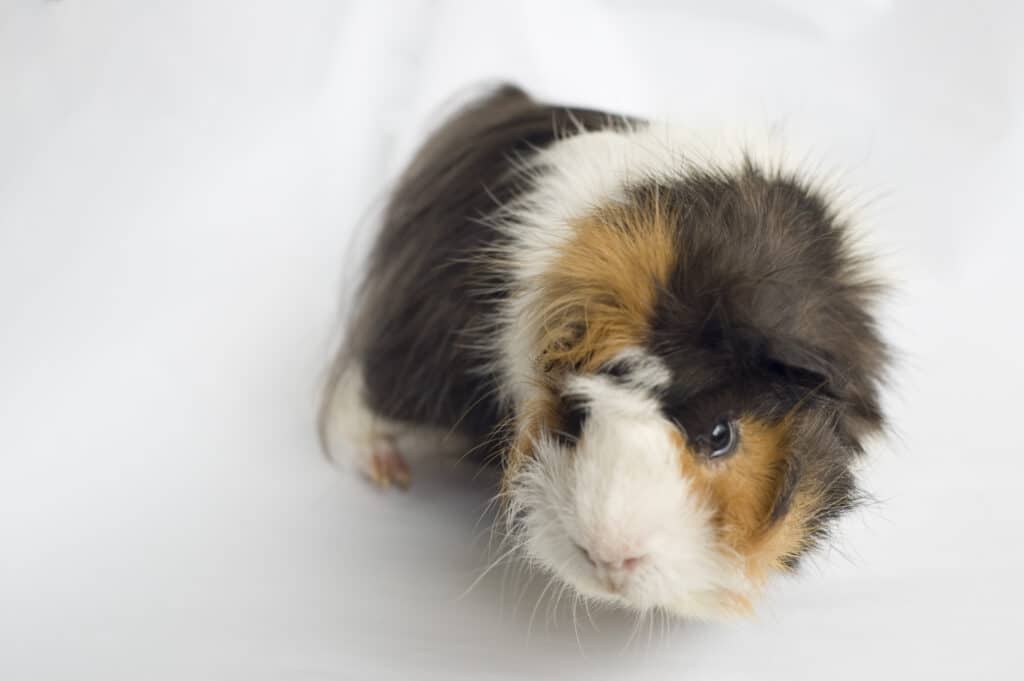
Fungal Infections in Guinea Pigs: The Prime Suspects
Ringworm – The uninvited guest
- Cause: Dermatophytes (fungi that affect the skin)
- Symptoms: Circular bald patches, redness, flaking, itching
Malassezia dermatitis – the annoying neighbor
- Cause: Malassezia fungi (yeast fungi)
- Symptoms: Oily skin, itching, flaking, redness, inflammation
Aspergillosis – The insidious invader
- Cause: Aspergillus fungi (molds)
- Symptoms: shortness of breath, nasal discharge, cough, lethargy, weight loss
Detection and treatment of fungal infections in guinea pigs
How do you recognize a fungal infection?
When it comes to fungal infections in guinea pigs, a watchful eye is key. Look out for:
- Hair loss
- Flaking
- Redness
- itching
- Inflammation
If you suspect anything, act immediately!
Hand on heart: If your guinea pig has a fungal infection, the vet your best friend. Only he can make the correct diagnosis and prescribe the appropriate treatment.
FAQs
How can I prevent fungal infections in my guinea pig?
Hygiene is the magic word! Keep the cage clean, wash food and water supplies regularly, and make sure your guinea pig's environment is well ventilated.
Can I infect myself or other pets with my guinea pig's fungal infection?
Yes, some fungal infections are zoonotic, meaning they can be transmitted between animals and humans. So pay extra attention to hygiene if you come into contact with an infected guinea pig.
My guinea pig has a fungal infection – what should I definitely not do?
Caution is advised! Do not attempt to treat the fungal infection yourself or use home remedies without speaking to your veterinarian first. Sometimes well-intentioned actions can make the situation worse.
How long does it take to treat a fungal infection in guinea pigs?
The duration of treatment depends on the type of fungal infection and the severity of the infestation. In general, it can take between two and six weeks for your guinea pig to recover.
How can I help my guinea pig during treatment?
Give your little friend lots of love and care. Follow the veterinarian's instructions, keep the cage clean, and closely monitor the guinea pig to make sure it recovers.
conclusion
Fungal infections in guinea pigs are a nuisance, but not a catastrophe. With the right knowledge, proper hygiene and careful observation, you can save your little furry friend from such problems or, if necessary, intervene in a timely manner and ensure the appropriate treatment.
Remember that prevention is always the best protection. Keep your guinea pig's cage clean and your guinea pig's environment well ventilated to minimize the risk of fungal infections. If your guinea pig is still affected, do not hesitate to consult a veterinarian. With an early diagnosis and targeted treatment, your guinea pig will soon be happy again and bring you a lot of joy!
Additional tips for a happy and healthy guinea pig
In addition to preventing and treating fungal infections, there are many other aspects that can contribute to your guinea pig's well-being. Here are some tips to help your furry friend live a happy and healthy life:
A balanced diet
- Make sure your guinea pig gets enough fresh water, hay, vegetables and high quality guinea pig food.
- Make sure the food contains vitamin C, as guinea pigs cannot produce this important nutrient themselves.
Social contacts
- Guinea pigs are sociable animals and need the company of other people of their kind. It is best to keep them in small groups or at least in pairs.
- Spend time with your guinea pig every day to keep him busy and build a close bond.
Sufficient exercise
- Make sure the cage is large enough so that your guinea pig has enough space to move around and explore.
- Provide your guinea pig with toys and hiding places to prevent boredom and stress.
- Allow your guinea pig to roam daily under supervision in a secured area outside of the cage to satisfy his curiosity and strengthen his muscles.
Regular health checks
- Inspect your guinea pig regularly for signs of illness or injury. Pay attention to changes in behavior, appetite or weight.
- Take your guinea pig to the vet at least once a year for a routine checkup. This means that possible problems can be identified and treated early.
By following these tips, you can help your guinea pig live a long, healthy, and happy life. Fungal infections in guinea pigs are unpleasant, but they are not a reason to panic. With proper care, attention, and a good working relationship with your veterinarian, you can ensure that your little furry friend stays in top shape.
If you have any further questions, please feel free to contact our pet expert, veterinarian Maria Apostolidou, in our sister practice in Renchen.