
Nutritional advice for cats: A comprehensive guide to optimal cat nutrition - especially for pedigree cats
- Nutritional advice for cats: A comprehensive guide to optimal cat nutrition - especially for pedigree cats
- introduction
- Nutritional advice for cats: The right food for your cat
- Nutritional advice for cats: feeding frequency and quantities
- Nutritional advice for cats: special nutritional needs
- Nutritional advice for cats: Breed-specific nutrition for cats
- Nutritional advice for cats: The importance of proper water supply
- Nutritional advice for cats: weight control and exercise
- The role of prevention and regular veterinary visits
- Frequently asked questions about nutritional advice for cats - FAQs:
- Summary of nutritional advice for cats
introduction
cat friendly clinic, we at the Arndt Small Animal Center attach great importance to ensuring that our beloved four-legged friends are healthy and happy. Proper nutrition plays a crucial role. In this article we would like to provide you with comprehensive nutritional advice for your cat. We cover all aspects, from choosing the right food to special dietary requirements for certain cat breeds and life stages.
Professional cat nutritional advice is crucial to keeping your cat healthy and happy. Cat nutritional advice takes into account the individual needs of each cat and helps to find the optimal diet for them. Sound nutritional advice for cats takes into account various factors such as age, breed, activity level and health status. By seeking cat nutritional advice, you can avoid health problems and promote your cat's well-being. Find out more about the importance of cat nutritional advice and how you can find the best diet for your cat here.
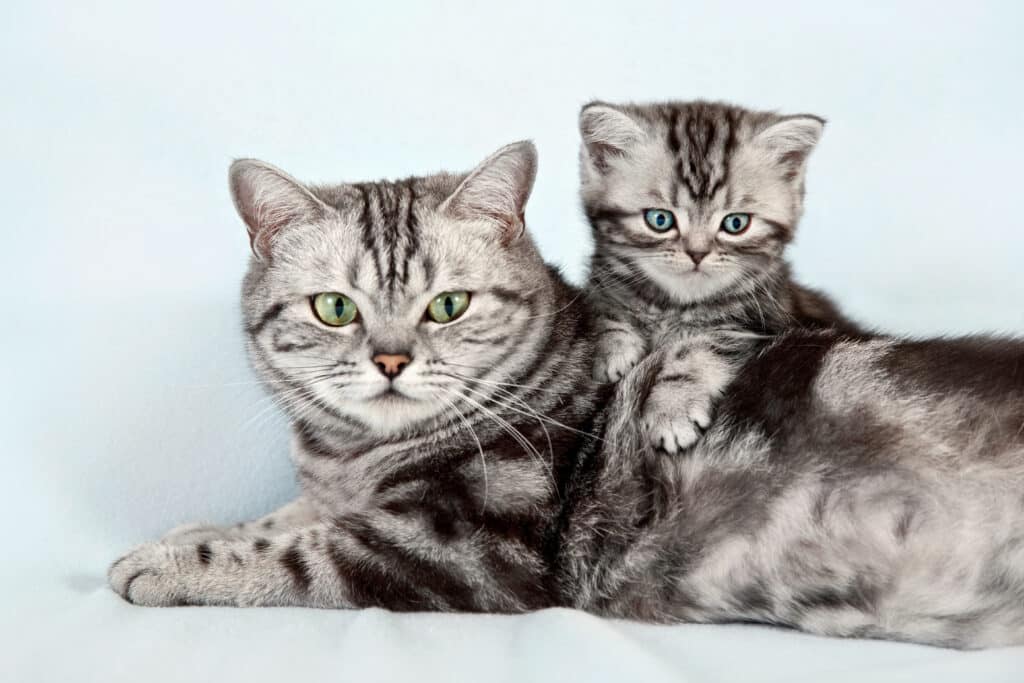
Nutritional advice for cats : The right food for your cat
To choose the right food for your cat, you should first consider your cat's specific needs. Cats' nutritional requirements vary depending on their age, size, breed and activity level.
- Dry food: Dry food has a longer shelf life and is cheaper than wet food. It can help promote your cat's dental health by reducing tartar buildup. Make sure that the dry food contains high-quality proteins and fats and is free of artificial colors and preservatives.
- Wet food: Wet food has a higher moisture content than dry food and can therefore help meet your cat's fluid needs. It is particularly suitable for older cats and those with kidney disease. Make sure that the wet food contains a high meat content and few fillers such as grains and soy.
Nutritional advice for cats : feeding frequency and quantities
Feeding frequency and amounts depend on the individual cat and the food chosen. In general, kittens should be fed more frequently and in smaller quantities than adult cats. A rule of thumb in cat nutritional advice for feeding adult cats is that they should receive two to three meals per day.
Nutritional advice for cats: special nutritional needs
Some cats have special nutritional needs due to medical conditions or breed characteristics. Here are some examples from cat nutritional advice :
- Diabetes: Diabetic cats require a low-carbohydrate diet high in protein and fiber. A switch to a special diet may be necessary.
- Renal insufficiency: Cats with renal insufficiency should be fed a diet low in phosphorus and reduced in protein. Special kidney diet foods are suitable for this.
- Allergies and intolerances: For cats with food allergies or intolerances, a hypoallergenic diet based on a limited number of protein and carbohydrate sources is recommended. An elimination diet can help identify the problematic ingredients.
- Breed-specific diet: Some breeds such as Maine Coon, Siamese or Persian cats have special nutritional needs due to their genetics or physical characteristics. Specially adapted food can help meet these needs.
Supplementary feed and additives
In some cases of cat nutritional advice , it may make sense to optimize your cat's diet with supplementary feed or additives. These include, for example:
- Taurine: Taurine is an essential amino acid for cats and must be consumed through food. A deficiency can lead to serious health problems. Make sure that the food you choose contains enough taurine.
- Omega-3 fatty acids: Omega-3 fatty acids are important for skin and coat health, as well as for the immune system and joints. Fish oil or linseed oil can be used as a supplement.
- Vitamins and minerals: Most commercial cat foods already contain all the necessary vitamins and minerals. However, targeted supplementation can be useful for home-prepared food or in the case of deficiency symptoms.
Nutritional advice for cats : tips for changing their diet
Changing your diet should always be done slowly and gradually to avoid digestive problems. First mix the new food in small amounts with the usual food and increase the proportion of the new food over a period of about a week.
Nutritional advice for cats : breed-specific nutrition for cats
Cats' nutritional needs can vary depending on their breed. Some breeds have specific nutritional requirements based on their genetics, size or physical characteristics. In this article we will introduce some breeds and their special nutritional needs.
1. Maine Coon
The Maine Coon is one of the largest cat breeds and has specific nutritional requirements due to its size and rapid growth. To ensure healthy growth and the development of strong bones, the cat nutritionist a higher calorie intake and a higher content of essential nutrients such as protein, calcium and phosphorus for Maine Coon kittens. In addition, Maine Coons are prone to hip dysplasia, so it is important to maintain a balance of calcium and phosphorus and a moderate fat intake to reduce the risk of this disease.
2. Siamese cats
Siamese cats are known for their slim, athletic builds and active lifestyles. To meet their high energy needs, they need a diet rich in protein. At the same time, Siamese should not eat too much fat to avoid becoming overweight. Nutritional advice for cats therefore recommends a balanced ratio of protein, fat and carbohydrates in the food. In addition, Siamese are prone to dental problems and gum disease, which is why regular dental care and the use of special dental food are important.
3. Persian cats
Persian cats have specific eating habits due to their flat face shape and short jaw. They generally prefer shallow food bowls and foods that are easy to chew and swallow. Persian cats are prone to kidney stones and urinary tract diseases, which is why adequate fluid intake and a food with an appropriate mineral content are essential. In addition, special grooming is important for Persian cats due to their long fur in order to avoid the formation of hairballs.
4. Sphynx cats
The hairless Sphynx cat has a higher metabolism and energy requirements than other cat breeds. In order to cover their energy needs, the cat nutritionist Sphynx cats have a higher calorie intake and more protein in their diet. Since they don't have hair to absorb excess skin oils, Sphynx cats should also be bathed regularly to avoid skin problems.
5. British Shorthair
British Shorthair cats are known for their strong stature and calm personality. Due to their tendency to be overweight, it is important to ensure a balanced diet. A moderate calorie intake and a balanced ratio of protein, fat and carbohydrates in the food are crucial to maintaining the ideal weight for your British Shorthair cat. You should also make sure you consume enough fiber to support healthy digestion.
6. Ragdoll
Ragdoll cats are large, gentle animals that have special nutritional needs due to their rapid growth in the first few years of life. Be sure to provide Ragdoll kittens with a balanced diet with higher calorie intake and sufficient protein, calcium and phosphorus to promote healthy growth and strong bone structure. Since Ragdoll cats have long fur, it is also important to ensure good grooming and enough fiber in their food to reduce the formation of hairballs.
7. Bengal cats
Bengal cats are very active, athletic animals that have higher energy requirements than many other breeds. To meet their energy needs, Bengal cats need a diet rich in protein and containing sufficient essential fatty acids. Be sure to offer Bengal cats a high-quality food that meets their specific nutritional needs. Since Bengal cats often have a sensitive digestive system, according to cat nutrition advice also important to ensure an easily digestible diet and, if necessary, to choose a food with special digestive enzymes or probiotics.
8. Norwegian Forest Cats
Norwegian Forest cats are large, robust animals with thick, water-repellent fur. They require a balanced diet high in protein and fat to meet their energy needs and keep their coat in optimal condition. Be sure to offer Norwegian Forest cats a food with sufficient essential fatty acids such as Omega-3 and Omega-6 to support skin and coat health. Since this breed has an increased risk of urinary tract diseases, it is important to ensure adequate fluid intake and a food with an appropriate mineral content.
9. Russian Blue
Russian Blue cats are known for their slender bodies and velvety, silver fur. To maintain the health of this breed, a balanced diet with a moderate calorie content and a balance of protein, fat and carbohydrates is important. Since Russian Blue cats tend to be overweight, it is crucial to monitor food intake and make adjustments if necessary, cat nutritional advice Additionally, a food containing additional omega-3 and omega-6 fatty acids can help keep the coat and skin in optimal condition.
10. Siberian cats
Siberian cats are a large, robust breed with a thick, water-repellent coat. They need a balanced diet high in protein and fat to meet their energy needs and keep their coat healthy. Be sure to offer Siberian cats a food with enough essential fatty acids such as omega-3 and omega-6 to promote skin and coat health. Because this breed is also prone to heart disease such as hypertrophic cardiomyopathy (HCM), it is important to schedule regular veterinary visits for cat nutritional advice and maintain a diet that supports heart health.
Nutritional advice for cats : The importance of proper water supply
Adequate hydration is vital to your cat's health. Cats are naturally poor drinkers, so it's important to make sure they get enough water. Here are some tips to encourage your cat to drink:
- Provide Fresh Water Daily: Make sure your cat always has access to fresh and clean water. Change the water at least once a day and clean the water bowl regularly.
- Set up multiple watering points: Some cats prefer to drink in different places around the house. Therefore, set up several watering holes to give your cat the opportunity to choose its preferred spot.
- Use drinking fountains: Drinking fountains can be a good way to encourage your cat to drink. The flowing stream of water stimulates the cat's natural instinct and can cause it to consume more water.
- Offer wet food: Feeding wet food gives your cat additional fluids. However, make sure that your cat drinks enough water to cover its fluid needs.
Nutritional advice for cats : weight control and exercise
A healthy weight and sufficient exercise are also important factors for your cat's well-being. Obesity can lead to a variety of health problems, such as diabetes, joint disease and cardiovascular disease. To control your cat's weight and keep him fit, you should take the following measures:
- Monitor portion sizes: Be careful not to offer your cat too much food. Follow the feeding recommendations of the food and, if necessary, adjust the portion size to your cat's activity level and individual needs.
- Encourage regular exercise: Cats need daily exercise to stay fit and healthy. Engage with your cat regularly, for example by playing with it or offering it various activities such as scratching posts, climbing opportunities or toys.
- Carry out regular weight checks: Weigh your cat regularly and record its weight to identify possible weight changes at an early stage. If you notice significant weight gain or loss, please consult your veterinarian.
The role of prevention and regular veterinary visits
Regular checkups are crucial to detect potential health problems early and treat them accordingly. Schedule a vet visit for your cat at least once a year to check his health. Here are some aspects that should be covered during a vet visit:
- Vaccinations: Regular vaccinations protect your cat from serious and potentially fatal diseases. Your veterinarian will inform you of the recommended vaccination schedule for your cat and ensure that all necessary vaccinations are up to date.
- Parasite Control: Fleas, ticks and worms can lead to a variety of health problems. Talk to your veterinarian about preventive measures and appropriate treatment options to protect your cat from parasites.
- Dental and Oral Health: Dental problems are common in cats and can cause pain, loss of appetite and infection. Your veterinarian should check your cat's oral health at every visit and recommend professional teeth cleaning if necessary.
- Blood tests and early detection: Regular blood tests can help detect possible health problems early before they lead to serious illness. Such examinations can be particularly valuable for older cats or those with previous illnesses.
Frequently asked questions about nutritional advice for cats - FAQs:
Which food is best for my cat?
Choosing the best food for your cat depends on various factors, such as age, breed, activity level and any health needs. It's important to choose a high-quality food tailored to your cat's specific needs. Speak to your veterinarian or a specialized cat nutritionist to determine the best diet for your cat.
How often should I feed my cat?
The frequency of feeding depends on your cat's age, size and activity level. Kittens typically require several small meals per day, while adult cats can get by on two meals per day. Senior cats may have different needs depending on their health and energy needs. Talk to your veterinarian to determine the correct feeding frequency for your cat.
How can I tell if my cat is overweight?
To determine if your cat is overweight, you can weigh him and assess his body condition. A healthy cat should have a well-defined waist and only a thin layer of fat over its ribs. If you can't easily feel the ribs or your cat no longer has a waist, he may be overweight. Consult your veterinarian to determine the ideal weight range for your cat and for help with weight loss if needed.
Can cats be fed a vegetarian or vegan diet?
Cats are obligate carnivores, meaning they require meat to get all the essential nutrients they need for a healthy life. A vegetarian or vegan diet is not suitable for cats as they would not receive all the necessary nutrients such as taurine, vitamin A and arachidonic acid found in animal products. A diet without meat can lead to serious health problems and nutritional deficiencies. It's important to provide your cat with a balanced, meat-based diet that meets their specific needs.
Summary of nutritional advice for cats
Your cat's health and well-being depends on a variety of factors, such as proper nutrition, adequate hydration, weight control, exercise and regular veterinary visits. By responding to your cat's individual needs and paying attention to their health, you are making an important contribution to their happy and long life. If you have any questions or concerns about your cat's health, do not hesitate to consult a veterinarian or a specialized cat nutritionist.