
Comprehensive Guide to Parasites in Dogs: Prevention, Detection, and Treatment
Introduction to the topic of parasites in dogs
Parasites are organisms that rely on a host to survive, often causing harm or discomfort to the host. Dogs, like other animals, can harbor various parasites. In this article you will learn everything about the most common parasites in dogs, how to recognize, prevent and treat them.
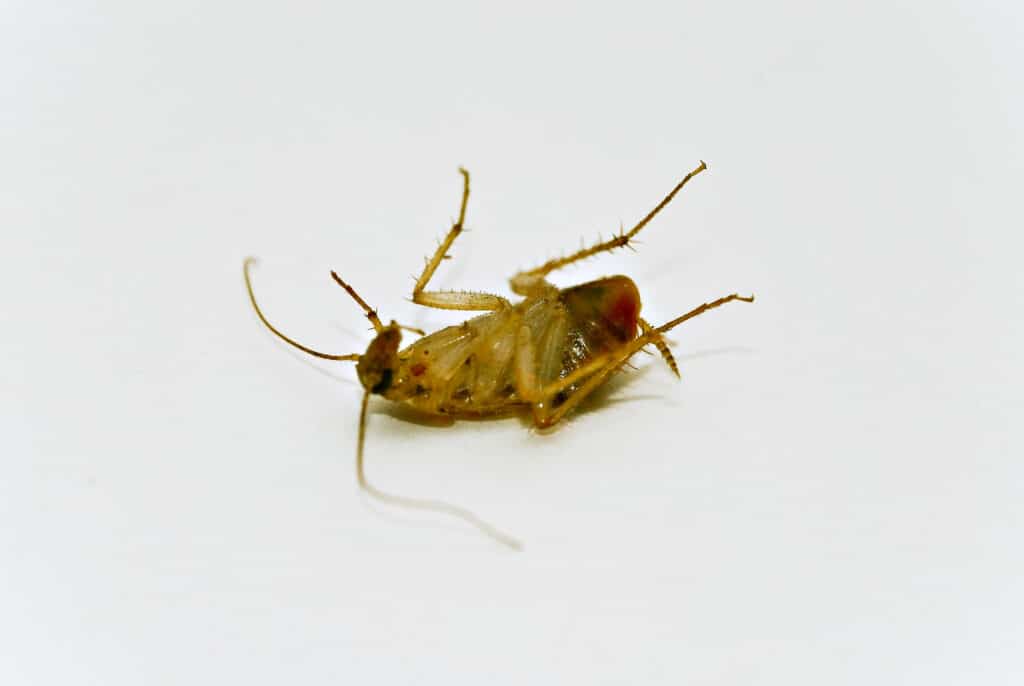
Fleas on dogs
Fleas are small, wingless insects that feed on blood. They are common parasites in dogs and can cause itching, skin irritation and allergic reactions. Fleas can also transmit tapeworms if the dog swallows infected fleas.
Ticks and their dangers
Ticks are arachnids that attach themselves to dogs and feed on their blood. They can transmit dangerous diseases such as Lyme disease, anaplasmosis and babesiosis. Regular checks for ticks and the use of tick repellents are important to minimize the risk of infection.
Worms in dogs
Dogs can be affected by various types of worms, such as roundworms, tapeworms and heartworms. Worm infestations can cause digestive problems, breathing problems and heart problems. Regular deworming is important to keep your dog healthy.
Giardia – tiny intestinal parasites
Giardia is a single-celled parasite that can infect the intestines of dogs. They often cause diarrhea, vomiting and weight loss. Diagnosis is made by detecting Giardia cysts in the dog's feces, and treatment consists of special medications.
Ear mites in dogs
Ear mites are tiny parasites that infest dogs' ear canals and can cause inflammation, itching, and earwax buildup. Thorough cleaning of the ears and treatment with mite-killing medication are necessary to combat the infestation.
Detecting Parasites in Dogs
Watch for signs of parasite infestation in your dog, such as itching, hair loss, diarrhea, vomiting or difficulty breathing.
Prevention of parasite infestation
Preventing parasite infestations in dogs is crucial to your pet's health. Regular deworming, tick and flea preventatives, and good hygiene can help reduce the risk of an infestation. Be sure to keep your dog's living space clean and avoid areas with high levels of parasites.
Treating Parasites in Dogs
Treatment for parasitic infestations in dogs depends on the type of parasite. Your veterinarian will help you diagnose and recommend appropriate treatment, which can range from oral medications to topical solutions. It is important to follow the treatment plan carefully to effectively control the infestation and avoid relapses.
Collaborate with your veterinarian
Regular collaboration with your veterinarian is crucial to your dog's health . Your veterinarian can help you identify parasites early and take appropriate prevention and treatment measures. Make sure you schedule regular checkups and vaccinations for your dog to promote his well-being.
Frequently Asked Questions About Parasites in Dogs (FAQs):
How often should I have my dog checked for parasites?
It is advisable to have your dog checked for parasites at least once a year. Dogs at increased risk, such as those who live outdoors or come into frequent contact with other animals, may require more frequent examinations.
Can parasites in dogs be transmitted to people?
Some parasites, such as certain worms and fleas, can be transmitted from dogs to people. Therefore, it is important to maintain the hygiene of your dog and your surroundings and to watch for signs of an infestation in you or your pet.
How can I tell if my dog has fleas?
Fleas are small and move quickly, so they may not be immediately visible. To determine if your dog has fleas, use a flea comb and look for flea feces that look like small black crumbs.
How do I remove a tick from my dog?
Use tick tweezers or tweezers to grab the tick as close to your dog's skin as possible. Pull out the tick slowly and steadily without squeezing it. Disinfect the bite site and monitor for signs of infection.
How often should I deworm my dog?
The frequency of deworming depends on your dog's age and lifestyle. Puppies should be dewormed more frequently, while adult dogs should typically be dewormed every 3 to 6 months. Your veterinarian will recommend a customized deworming plan for your dog.
How can I prevent Giardia in my dog?
Giardia can be transmitted through contact with infected feces or contaminated water. To reduce the risk of infection, prevent your dog from drinking from puddles or standing water and keep his environment clean.
What can I do to prevent ear mites in my dog?
Regular ear cleaning can help prevent ear mite infestations. Be sure to clean your dog's ears gently and thoroughly without damaging the delicate skin in the ear canal.
Can dogs have multiple parasites at the same time?
Yes, dogs can be affected by several parasites at the same time. Therefore, it is important to be aware of both external and internal parasites and to examine your dog regularly for signs of infestation.
How effective are natural parasite remedies for dogs?
Natural parasite remedies can help prevent or treat an infestation in some cases. However, it is important to speak to your veterinarian before using any natural remedies to ensure they are appropriate and effective for your dog.
When should I have my dog checked again after parasite treatment?
It is advisable to have your dog re-examined a few weeks after completing a parasite treatment to ensure that the infestation has been completely eliminated. Your veterinarian will recommend the exact time for a follow-up examination, depending on the type of parasite and the treatment used.
In summary, detecting, preventing and treating parasites in dogs is crucial to your pet's health and well-being. Work closely with your veterinarian to develop an effective protection and treatment plan to keep your four-legged friend happy and healthy.
And here are some tips related to parasites in dogs:
Nutrition and immune system: Support in the fight against parasites in dogs
Your dog's diet plays an important role in strengthening his immune system and preventing parasite infestations. A balanced diet with high-quality proteins, vitamins, minerals and essential fatty acids will help strengthen your dog's immune system and make him more resistant to parasites. Make sure you offer your dog a high-quality food and, if necessary, use supplements in consultation with your veterinarian.
Importance of hygiene in the fight against parasites in dogs
Good hygiene is crucial to preventing the spread of parasites and protecting your dog's health. This includes regular cleaning of sleeping areas, food bowls and toys as well as removing dog waste from the garden or walking paths. Also, keep your dog clean yourself by bathing and grooming him regularly.
The role of vaccinations in preventing parasite transmission
While vaccinations do not directly protect against parasites, they can help prevent the transmission of diseases caused by parasites. By having your dog vaccinated against various diseases, you reduce the risk of him developing a serious illness caused by a parasite infestation. Talk to your veterinarian about the appropriate vaccination schedule for your dog.
Other common questions about parasites in dogs:
What role do collars and spot-on preparations play in parasite prevention?
Collars and spot-on preparations can be very effective in preventing parasite infestations such as fleas and ticks. They usually contain active ingredients that kill or repel parasites and thus prevent an infestation. Be sure to choose the right preparation for your dog and use it according to the manufacturer's instructions.
What can I do to keep my garden parasite-free?
To keep your garden parasite-free, you should mow the lawn, remove leaves and pull weeds regularly. It's also important to clean up your dog's feces immediately to prevent the spread of parasite eggs. Avoid standing water where mosquitoes that can carry heartworms may breed.
How can I protect my home from parasites?
To protect your home from parasites, vacuum regularly, especially in areas where your dog frequents. Regularly wash your dog's sleeping areas, blankets and toys and keep the floors clean. If necessary, use insecticides or diatomaceous earth to kill fleas and other parasites, and be sure to fit windows and doors with insect screens to prevent flying insects from entering.
How can I prevent my dog from ingesting parasites while walking?
To prevent your dog from ingesting parasites while walking, keep him on a leash and prevent him from sniffing in tall grass, undergrowth, or puddles where parasites could be lurking. Use preventive measures such as flea and tick preventatives and check your dog for signs of parasites after every walk.
Can stress increase my dog's risk of parasite infestation?
Stress can weaken your dog's immune system, making him more susceptible to parasite infestations and other diseases. Be sure to minimize the causes of stress in your dog by providing a stable environment, regular exercise, and social interaction. If your dog shows persistent stress, seek advice from your veterinarian or a canine behaviorist.
Effectively preventing, detecting and treating parasites in dogs is critical to your pet's health and well-being. By working with your veterinarian, implementing preventive measures, and maintaining good hygiene, you can help ensure your four-legged friend lives a healthy, happy life, free from unwanted canine parasites.