
Skin Diseases in Dogs - Everything You Need to Know
Skin diseases in dogs are a common and diverse problem that causes concern and discomfort for many dog owners. In this article, we will take an in-depth look at the different types of skin diseases in dogs, their causes, symptoms and diagnosis, as well as treatment and prevention options.
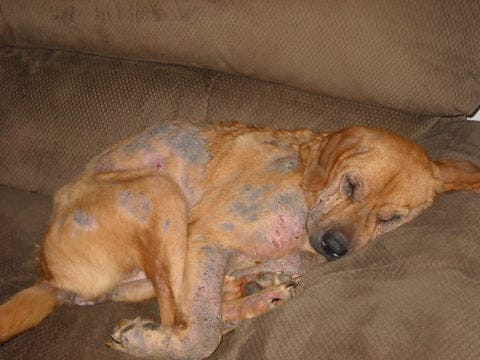
Skin diseases in dogs - the different types and their causes
Allergic dermatitis
Flea bite allergy
Flea bite allergies are a common cause of skin disease in dogs. Some dogs are allergic to flea saliva, which gets into the skin when a flea bites them. This can lead to itching, redness of the skin and hair loss.
Environmental allergies
Environmental allergies can also cause skin problems in dogs. Pollen, mold spores, dust mites and other allergens can cause allergic dermatitis, which is characterized by itching, redness of the skin and hair loss.
Infectious skin diseases
Bacterial infections
Bacterial infections like pyoderma can cause skin problems in dogs. Symptoms often include purulent pustules, reddening of the skin, itching and hair loss.
fungal infections
Fungal infections such as ringworm (dermatophytosis) are another cause of skin diseases in dogs. Symptoms often include circular bald patches, flaking and redness of the skin.
Parasitic infections
Parasitic infections such as Sarcoptes scabiei (mange) can cause skin problems in dogs. Symptoms include severe itching, reddening of the skin and hair loss.
Hormonal and metabolic-related skin diseases
Hypothyroidism
An underactive thyroid (hypothyroidism) can cause skin problems in dogs. Symptoms often include dry, flaky skin, hair loss and weight gain.
Cushing's syndrome
Cushing's syndrome, an overproduction of cortisol, can also cause skin problems in dogs. Symptoms often include thin, fragile skin, hair loss and increased thirst.
Diagnosis of skin diseases in dogs
Clinical examination
Diagnosing a skin disease in dogs begins with a thorough examination by a veterinarian. The veterinarian will look closely at the dog and look for signs of skin problems, inflammation, hair loss, or other symptoms. It is important that the veterinarian is also informed about the dog's medical history in order to better assess possible causes of the skin disease.
To this end, we worked with Dr. Krause has developed a comprehensive medical history form , which you should fill out as completely as possible before your first appointment. Our experts will then prepare accordingly.
Skin samples and laboratory tests
In order to make an accurate diagnosis, the veterinarian can take skin samples and have them examined in the laboratory. This includes swabs, skin scrapings, hair samples and, if necessary, biopsies. These examinations make it possible to identify bacterial or fungal infections, parasites or other causes of skin diseases in dogs.
Allergy testing
If allergic dermatitis is suspected, the veterinarian may perform allergy tests. This includes skin tests and blood tests to identify the exact cause of the allergic reaction. This is important to find the appropriate treatment for the dog and avoid future allergic reactions.
Treatment of skin diseases in dogs
Medical therapy
Treatment for skin diseases in dogs depends on the underlying cause. Antibiotics or antifungals may be prescribed for bacterial or fungal infections. In allergic dermatitis, antihistamines or corticosteroids can be used to relieve symptoms. In the case of hormonal or metabolic skin diseases, drug therapy may be necessary to regulate hormone levels or metabolism.
Topical therapy
Topical therapy options, such as creams, ointments or shampoos, can also be used to treat skin diseases in dogs. These can help reduce inflammation, relieve itching, and promote skin healing.
Environmental control
In allergic dermatitis, it is important to control the dog's environment to reduce allergens. This may include bathing the dog regularly, keeping the living area clean, and minimizing allergens such as pollen or dust mites.
Prevention of skin diseases in dogs
Regular care
Grooming your dog regularly can help prevent skin diseases. Brushing the coat can help remove dandruff and dead hair and keep the skin healthy.
Parasite control
Controlling fleas, ticks and other parasites is an important part of preventing skin diseases in dogs. Regular flea and tick treatments can help prevent parasite infestations and reduce allergic reactions to flea bites.
Healthy eating
A balanced and nutritious diet is crucial to the health of your dog's skin and coat. Make sure your dog is fed a balanced diet rich in omega-3 fatty acids, vitamins and minerals.
If a food allergy or intolerance is suspected, a change in diet to hypoallergenic food or an elimination diet may be recommended. Careful monitoring and adjustment of diet can help reduce or eliminate skin problems in dogs.
Regular veterinary checks
Regular veterinary examinations can help detect skin diseases early and initiate appropriate treatment. Tell your veterinarian about any changes in your dog's behavior, eating habits, or appearance that could indicate skin problems.
Frequently asked questions (FAQs) about skin diseases in dogs
Can skin diseases in dogs be transmitted to humans?
Some skin diseases in dogs, such as ringworm, can be transmitted to humans. It is important to practice hygiene when in contact with a sick dog and wash your hands thoroughly after touching them.
How long does it take to treat a skin disease in dogs?
The duration of treatment depends on the type and severity of the skin disease and the underlying cause. In some cases, skin diseases can be treated within a few weeks, while others can take significantly longer. Always follow your veterinarian's instructions to ensure the best possible treatment for your dog.
What can I do to relieve itching in my dog?
Itching in dogs can be caused by a variety of causes, so it is important to have the exact cause diagnosed by a veterinarian. In the meantime, cooling compresses, mild hypoallergenic shampoos, or vet-prescribed medications may help relieve the itching.
Conclusion
Skin diseases in dogs are a common and diverse problem that dog owners should be aware of and understand. Early diagnosis and treatment are crucial to your dog's recovery and preventing complications. By supporting your dog's health through regular grooming, parasite control, a healthy diet, and regular veterinary exams, you can help reduce the risk of skin diseases and maintain your four-legged friend's well-being.