
Pancreatitis / Inflammation of the Pancreas in Dogs: Causes, Symptoms and Treatment
introduction
Pancreatitis is an inflammatory disease of the pancreas that occurs in both humans and dogs. In this article, we will go into detail about the causes, symptoms, and treatment options for pancreatitis in dogs.
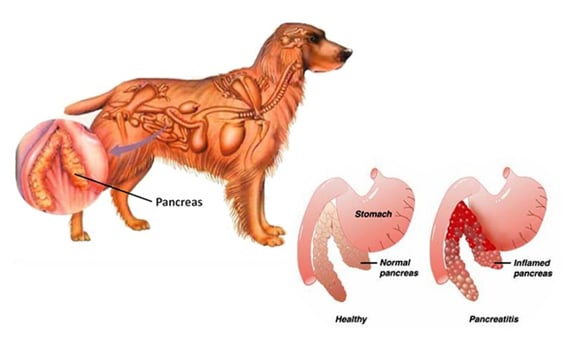
(C) https://www.australiandoglover.com/2019/01/pancreatitis-in-dogs-causes-signs.html
Causes of pancreatitis in dogs
The exact causes of pancreatitis in dogs are not fully understood. Still, there are several factors that can increase the risk of pancreatitis, including:
- High-fat diet: A high-fat diet can increase the production of digestive enzymes, which can lead to inflammation in the pancreas.
- Medications: Some medications, such as corticosteroids, may increase the risk of pancreatitis.
- Trauma or injury: An injury to the pancreas area can lead to inflammation.
- Infections: Bacterial or viral infections can cause pancreatitis.
- Metabolic diseases: Diseases such as diabetes mellitus can increase the risk of pancreatitis.
Symptoms of pancreatitis in dogs
The symptoms of pancreatitis in dogs can vary and are often non-specific. Some common signs include:
- Vomiting: Dogs with pancreatitis may vomit frequently, sometimes multiple times per day.
- Diarrhea: Diarrhea may occur in dogs with pancreatitis and may be bloody.
- Abdominal pain: Dogs with pancreatitis may show signs of abdominal pain, such as tension in the abdominal muscles or defensive reactions when touched.
- Fever: An elevated body temperature can also indicate pancreatitis.
- Lethargy and loss of appetite: Dogs with pancreatitis may be tired and have no appetite.
Diagnosis of pancreatitis
To diagnose pancreatitis in dogs, the veterinarian will first conduct a thorough history and physical examination. Additional diagnostic tests may include:
- Blood tests: Blood tests, such as the cPLI (canine pancreatic lipase immunoreactivity) test, can help detect pancreatitis.
- Imaging: X-rays or ultrasounds can help detect changes in the pancreas and rule out other causes for the symptoms.
- Fine-needle aspiration : In some cases, fine-needle aspiration of the pancreas may be necessary to make a definitive diagnosis.
Treatment of pancreatitis
Treatment for canine pancreatitis depends on the severity of the disease and aims to reduce inflammation of the pancreas and relieve symptoms. Some possible treatment options are:
- Fluid therapy: Dogs with pancreatitis often require intravenous fluids to correct dehydration and electrolyte imbalances.
- Pain management: Pain medications, such as nonsteroidal anti-inflammatory drugs (NSAIDs), may be used to relieve abdominal pain.
- Nutritional therapy: A low-fat, easily digestible diet can help reduce stress on the pancreas and aid recovery.
- Antiemetics: Anti-nausea and vomiting medications can help relieve symptoms and improve food absorption.
- Antibiotics: Antibiotics may be prescribed in cases where a bacterial infection is suspected.
Prevention of pancreatitis in dogs
To reduce your dog's risk of pancreatitis, you should take some preventive measures:
- Balanced diet: Feed your dog a balanced, low-fat diet and avoid giving high-fat treats or table scraps.
- Regular Vet Visits: Take your dog to the vet regularly for checkups and discuss possible risk factors for pancreatitis.
- Weight control: Being overweight can increase the risk of pancreatitis. Keep your dog maintaining a healthy weight by giving him enough exercise and controlling his calorie intake.
- Medication management: Talk to your veterinarian about possible side effects of medications your dog is taking and how they may affect the risk of pancreatitis.
Frequently asked questions about pancreatitis in dogs - FAQs:
What is pancreatitis in dogs?
Pancreatitis is an inflammatory disease of the pancreas in dogs that can be triggered by various factors, such as high-fat diets, medications, trauma or infections.
What symptoms indicate pancreatitis in dogs?
Symptoms of canine pancreatitis may include vomiting, diarrhea, abdominal pain, fever, lethargy, and loss of appetite.
How is pancreatitis in dogs diagnosed?
Diagnosing pancreatitis in dogs begins with a thorough history and physical examination. Additional diagnostic tests may include blood tests, imaging tests such as X-rays or ultrasounds, and in some cases, fine-needle aspiration of the pancreas.
How is pancreatitis in dogs treated?
Treatment for canine pancreatitis may include fluid therapy, pain management, nutritional therapy, antiemetics, and in some cases antibiotics. The exact treatment depends on the severity of the disease.
How can you prevent pancreatitis in dogs?
Preventative measures for canine pancreatitis include a balanced, low-fat diet, regular veterinary visits, weight control, and medication management.
Article summary
The article discusses in detail the causes, symptoms, diagnosis and treatment of pancreatitis in dogs. Pancreatitis is an inflammatory disease of the pancreas that can be triggered by various factors. Symptoms may include vomiting, diarrhea, abdominal pain, fever, lethargy and loss of appetite. Diagnosis is made through history, physical examination, and additional tests such as blood tests, imaging tests, and, in some cases, fine-needle aspiration. Treatment may include fluid therapy, pain management, nutritional therapy, antiemetics, and antibiotics. Preventative measures include a balanced diet, veterinary visits, weight control and medication management.
Outlook on current research
Current research is focused on identifying new diagnostic and therapeutic approaches to improve the detection and treatment of canine pancreatitis. This includes research into new biomarkers, the development of higher resolution imaging techniques and the investigation of new therapeutic targets to better control inflammation and pain.
- Pancreatitis / Inflammation of the Pancreas in Dogs: Causes, Symptoms and Treatment
- introduction
- Causes of pancreatitis in dogs
- Symptoms of pancreatitis in dogs
- Diagnosis of pancreatitis
- Treatment of pancreatitis
- Prevention of pancreatitis in dogs
- Frequently asked questions about pancreatitis in dogs - FAQs:
- Article summary