
Babesiosis in dogs - a dangerous dance with tick bites
A walk in the forest or in the park can be a real danger for our dogs. Ticks lurk everywhere and can transmit the dangerous disease babesiosis. In this article, we take a close look at babesiosis in dogs, its symptoms, diagnosis, and treatment. Finally, we would like to answer all dog owners' most important questions on the subject and give tips for prevention.
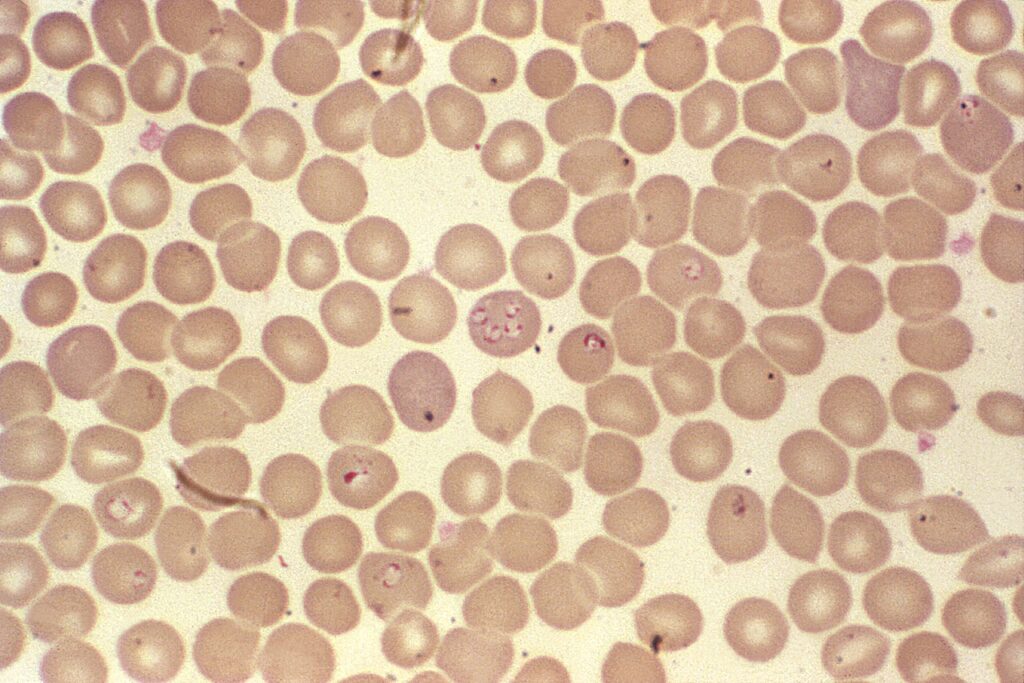
Babesiosis in dogs - a hidden threat
What is Babesiosis?
Babesiosis is a disease that is transmitted to dogs through the bite of an infected tick. The disease is caused by single-celled parasites called Babesia, which attack and destroy the dog's red blood cells. This can lead to serious health problems such as anemia, kidney failure or even death.
Babesia and its vectors
There are different types of Babesia that can be dangerous to dogs. The most common species are Babesia canis, Babesia gibsoni and Babesia vogeli. Transmission occurs mainly through ticks, particularly the riparian forest tick (Dermacentor reticulatus) and the brown dog tick (Rhipicephalus sanguineus).
Symptoms of Babesiosis in Dogs
Babesiosis in dogs can manifest itself through a variety of symptoms:
- Fever
- Weariness and weakness
- Loss of appetite
- weight loss
- Jaundice (yellowing of the skin and mucous membranes)
- Dark, tar-like urine
- Enlarged lymph nodes
- Bleeding (e.g. from the nose or in the stool)
Symptoms can vary
The symptoms of babesiosis in dogs can vary depending on the type of pathogen and the strength of the dog's immune system. While some dogs only show mild symptoms, others can become seriously ill and even die.
Diagnosis of Babesiosis in Dogs
If a dog shows symptoms that could indicate babesiosis, a quick diagnosis is crucial. Here are some methods veterinarians use to diagnose:
- Blood test: A blood sample may be examined for the presence of Babesia and signs of anemia.
- Blood smear: In this method, a drop of blood is placed on a microscope slide and viewed under a microscope to look for Babesia in the red blood cells. 3. PCR test: The polymerase chain reaction (PCR) can be used to detect the Babesia genetic material in the blood. This test is very sensitive and can detect even small amounts of parasites.
- Antibody test: This examines whether the dog's immune system has formed antibodies against Babesia. However, this cannot distinguish an acute infection from a previous one.
Treatment of babesiosis in dogs
The treatment of babesiosis in dogs depends on the severity of the disease and the pathogen affected. Commonly used medications are imidocarb, atovaquone, or azithromycin. In addition, supportive therapies such as fluid intake, blood transfusions or painkillers may be necessary.
Prognosis and prevention
The prognosis for dogs with babesiosis depends on various factors, such as the strength of the immune system, the dog's age and the type of pathogen. Early diagnosis and treatment are crucial for a successful recovery.
To prevent babesiosis in dogs, dog owners should take the following measures:
- Tick repellent: Regular use of tick repellents, such as spot-ons, collars or tablets, can help repel ticks and therefore minimize the risk of infection.
- Checking for ticks: After every walk, dog owners should check their four-legged friend thoroughly for ticks and remove them if necessary.
- Vaccination: Babesiosis vaccinations are available in some countries. Talk to your veterinarian about the possibility of vaccinating your dog.
FAQs about babesiosis in dogs
Can people become infected with babesiosis?
People can also get babesiosis, but the pathogens are usually different than those that affect dogs. Transmission also occurs through tick bites.
Is babesiosis in dogs notifiable?
In Germany, babesiosis in dogs is not reportable. However, other regulations may apply in other countries.
Are there certain risk areas for babesiosis in dogs?
Babesiosis is common in many parts of Europe, Africa and Asia. The risk of infection is particularly higher in warm and humid regions where ticks are more common.
Conclusion: Babesiosis in dogs - knowledge protects!
Babesiosis in dogs is a serious disease transmitted by ticks. Early detection and treatment are crucial to the healing process. The risk of infection can be minimized through targeted preventive measures such as the use of tick repellents, regular checking of the dog for ticks and, if necessary, vaccination. As a responsible dog owner, it is important to learn about babesiosis in dogs and to familiarize yourself with the symptoms, diagnosis and treatment. This way you can best protect your beloved four-legged friend from this dangerous disease and act quickly and appropriately in an emergency.
Summary
In this article we have dealt intensively with the topic of babesiosis in dogs. The most important points in brief:
- Babesiosis is transmitted through the bite of an infected tick and can be life-threatening for dogs.
- Symptoms vary from mild to severe and can result in anemia, kidney failure or even death.
- Early diagnosis and treatment are crucial for a successful recovery.
- Preventive measures such as tick repellent, checking your dog for ticks and vaccinations can minimize the risk of infection.
- Inform yourself and be vigilant to best protect your dog from babesiosis.
Further information and support
If you have any further questions about babesiosis in dogs or need assistance with treatment or prevention, we recommend contacting a veterinarian or animal clinic near you. They can provide you with important information, advice and help and ensure your dog receives the best care. Together we can help reduce the risk of babesiosis in dogs and protect our four-legged friends from this dangerous disease.