
Blind Cat: Everything You Need to Know
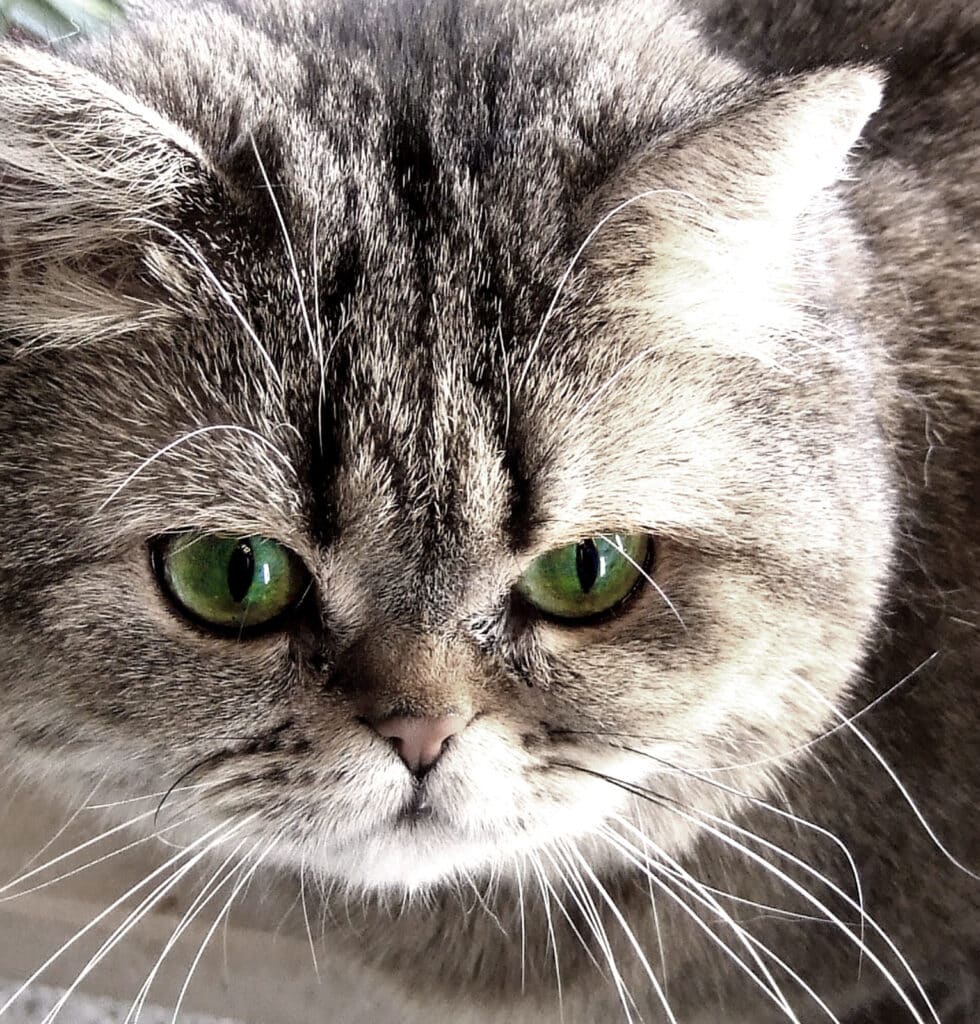
Causes of blindness in cats
Blind cats can become blind due to various causes. One of the most common causes is progressive retinal atrophy (PRA) , a genetic disease that damages the retina. Another cause is cataracts , in which the lens of the eyes becomes cloudy. Traumatic injuries and infections such as Feline Infectious Peritonitis (FIP) can also cause blindness. Sometimes a cat can become blind due to a congenital malformation or a developmental problem .
Adaptability of blind cats
Although a blind cat requires special care and attention, cats are amazingly adaptable and can lead happy and fulfilling lives despite their handicap. They use their other senses such as smell, hearing and touch to perceive their surroundings and find their way around. It is important that owners of blind cats make their environments safe and predictable to provide them with the best quality of life possible.
Living with a blind cat: tips and advice
To ensure your blind cat has a comfortable life, there are some tips and advice you should follow:
- Maintain the structure of the apartment : Try to change the furniture in your apartment as little as possible to provide your cat with a stable environment.
- Get your cat used to sounds and smells : Talk to your cat to help him orientate himself and make sure he is familiar with the sounds and smells in your home.
- Use scent and tactile markers : Place scent markers and objects with different textures to help your cat orientate.
- Ensure safety : Make sure all hazards are eliminated, such as open windows or stairs that are difficult for your cat to see.
Medical care and prevention for blind cats
Regular medical care is particularly important for blind cats. Be sure to have your cat checked veterinarian and make sure he receives all necessary vaccinations and worming treatments . If necessary, your veterinarian may also perform an eye exam to check the condition of your cat's eyes and recommend any necessary treatments.
The role of diet and exercise for blind cats
A balanced diet and regular exercise are essential for blind cats
as important as for sighted cats. Make sure your cat high-quality food that contains all the necessary nutrients. A balanced diet can help your cat maintain a healthy weight and minimize the risk of health problems.
active and playful despite their limitations . Design play behavior to target your cat's sense of smell and touch, and use toys that emit sounds or scents. Remember to introduce your cat to new activities slowly to ensure their safety and confidence.
Questions about the blind cat
What are the main causes of blindness in cats?
The main causes of blindness in cats are progressive retinal atrophy (PRA), cataracts, traumatic injuries, infections and congenital malformations or developmental problems.
How do blind cats adapt to their environment?
Blind cats use their other senses such as smell, hearing and touch to perceive their surroundings and find their way around.
What tips are there for living with a blind cat?
Important tips include: Maintain the structure of the home, accustom the cat to sounds and smells, use scent and tactile markings, and ensure safety in the area.
What medical care do blind cats need?
Blind cats should be examined regularly by a veterinarian, receive all necessary vaccinations and worming treatments, and have an eye exam if necessary.
How can blind cats stay active and playful?
Design play behavior to target the cat's sense of smell and touch and use toys that emit sounds or scents.
Summary
The article covers the different causes of blindness in cats, how they adapt to their environment, and how owners can help them. Tips for living with a blind cat are provided, including ensuring appropriate medical care and the importance of diet and exercise. Despite their limitations, blind cats can lead happy and fulfilling lives if they receive the right support.
Outlook on current research
Current research focuses on improving the quality of life of blind cats through better diagnostic and treatment options, as well as developing technologies and tools that help them move more safely and independently in their environment.