
Lung lobe resection in dogs and cats: A life-saving measure
- Lung lobe resection in dogs and cats: A life-saving measure
- Introduction: Lung lobe resection in dogs and cats – a blessing in veterinary medicine
- The causes: Why is a lung lobe resection necessary?
- Attention attention! Symptoms that could indicate a lung lobe resection
- Diagnosis: How is the need for lung lobe resection determined?
- The procedure: What happens during a lung lobe resection?
- The intervention in detail
- Possible complications and risks of lung lobe resection in dogs and cats
- Aftercare: What happens after lung lobe resection in dogs and cats?
- Frequently asked questions about lung lobe resection in dogs and cats
- Conclusion: Lung lobe resection in dogs and cats – a path to a healthier life
Introduction: Lung lobe resection in dogs and cats – a blessing in veterinary medicine
Lung lobe resection in dogs and cats is a surgical procedure that can help save the lives of our beloved four-legged friends. In this article, we will cover everything related to this surgery - from the causes that lead to such a procedure, to the symptoms, diagnostic procedures and possible complications, to aftercare and frequently asked questions.
The causes: Why is a lung lobe resection necessary?
There are several reasons why lung lobe resection may be necessary in dogs and cats. These include:
- Tumors: Benign or malignant growths may require surgery.
- Pneumonia: In some cases, severe pneumonia may result in the removal of a lobe of the lung.
- Trauma: Lung injuries caused by accidents or foreign bodies may also require resection.
- Lung lobe twisting: In rare cases, a lung lobe can twist and thus cut off the blood supply.
Attention attention! Symptoms that could indicate a lung lobe resection
Observe your dog or cat carefully and look out for the following symptoms that may indicate lung disease or injury:
- Shortness of breath or rapid breathing
- Cough, possibly with blood
- Weakness or apathy
- Weight loss or loss of appetite
- Blue or pale mucous membranes
Diagnosis: How is the need for lung lobe resection determined?
The veterinarian will first carry out a thorough examination and question the patient carefully. It can help if you keep an eye on the symptoms mentioned above. To determine the cause of the symptoms, various diagnostic procedures can be used:
- Chest x-rays
- Blood tests
- Bronchoscopy
- Computed tomography (CT) or magnetic resonance imaging (MRI)
- Lung biopsy
The procedure: What happens during a lung lobe resection?
During lung lobe resection in dogs and cats, the affected lung lobe is removed. To do this, the animals are first placed under general anesthesia and then access to the chest cavity is created. The veterinarian carefully separates the affected lung lobe from the surrounding structures and removes it. The blood vessels and airways leading to the lung lobe are then tied and sealed. Finally, the chest cavity is closed again and the wound is stitched up.
The intervention in detail
A lung lobe resection in dogs and cats is a surgical procedure in which part or an entire lobe of the lung is removed. This may be necessary due to various diseases or conditions, such as tumors, lung abscesses, lung lobe torsion, emphysema, or chronic infections.
The procedure is usually performed under general anesthesia to ensure that the dog feels no pain and remains calm during the operation. The following steps describe the procedure:
- Preparation: The dog/cat is prepared for the operation by fasting and undergoing a preliminary examination to assess general health and possible risks. A venous catheter is placed to administer fluids and medications during surgery.
- Positioning and Access: The dog/cat is positioned on its side with the affected side facing up. The affected side of the thorax is shaved and disinfected. A sterile operating table and sterile instruments are prepared.
- Thoracotomy: To gain access to the lungs, an incision is made in the chest area (thorax). The ribs are carefully spread or, if necessary, a single rib is partially or completely removed to allow access to the pleural space.
- Identification of the affected lobe of the lung: The surgeon identifies the affected lobe of the lung and isolates it from the remaining lung tissue. If necessary, additional diagnostic measures, such as a biopsy, will be performed before the lung lobe is removed.
- Resection of the lung lobe: The affected lung lobe is cut and removed. Particular attention is paid to careful control of blood vessels and bronchi to avoid bleeding or air leaks. The blood vessels and bronchi are closed using ligatures (knots) or special surgical clamps.
- Check for complications: After the lung lobe is removed, the chest is carefully checked for bleeding or air leaks. A drainage tube may be used to drain excess fluid or air.
- Closure: Once the surgeon is satisfied that there are no complications, the chest is closed again. The muscles and tissue are stitched or stapled in layers, and the skin is closed with stitches or skin staples.
- Postoperative care: After the operation, the dog will be closely monitored during the recovery period. Pain medications are administered and the dog's general condition is monitored, including breathing, heart rate and temperature. Some dogs require oxygen therapy after surgery.
This procedure carries risks and complications, including bleeding, infection, pneumothorax (air in the chest), breathing problems and, in rare cases, death. The decision to undergo lung lobe resection is always made based on a thorough assessment of the dog/cat's health status, the nature and severity of the disease, and the potential benefits and risks of the operation.
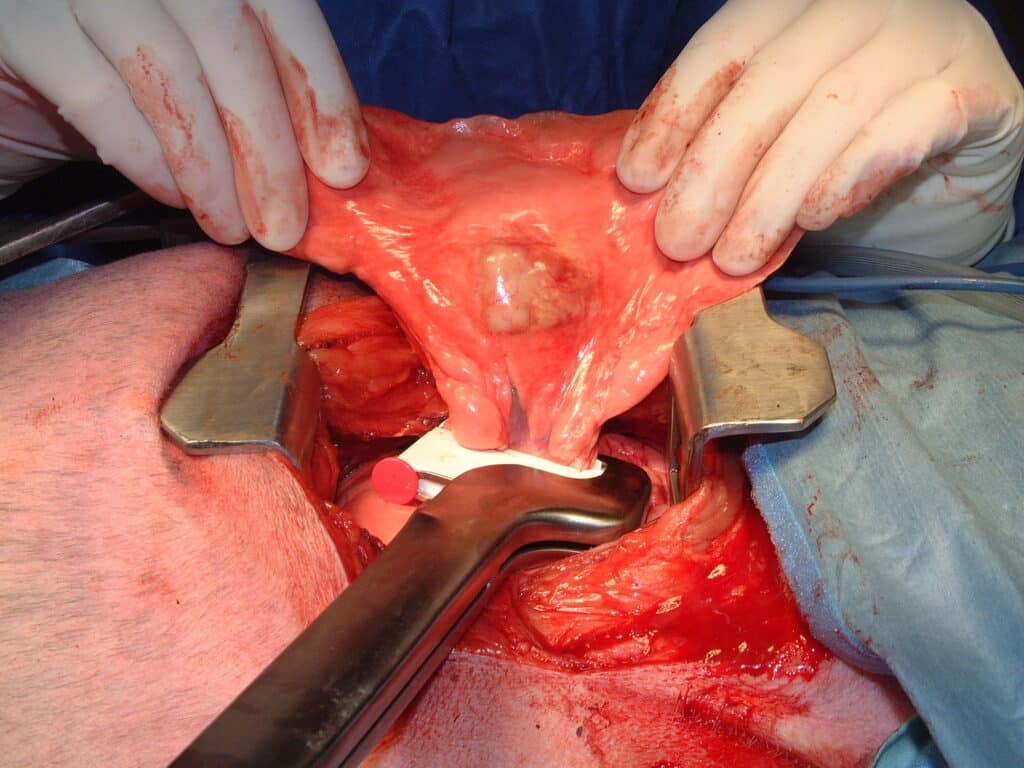
(C) http://www.animalcancersurgeon.com/thoracic-lung
Possible complications and risks of lung lobe resection in dogs and cats
Possible complications of lung lobe resection in dogs and cats can occur during or after the procedure. Here are some of the most common and significant complications:
- Bleeding: Bleeding may occur during surgery, which occurs due to the cutting of blood vessels. In most cases, bleeding can be controlled and stopped, but in rare cases, excessive bleeding can result in severe blood loss.
- Infections: Infection may occur as a result of surgery, either within the chest or at the surgical site. An infection can cause fever, swelling, redness and pus formation and usually requires antibiotic therapy.
- Pneumothorax: A pneumothorax is a buildup of air in the chest that can occur due to injury to the lungs during surgery. A pneumothorax can cause difficulty breathing and may require relief with a chest tube.
- Breathing problems: Breathing problems can occur after a lung lobe resection, especially if a large portion of the lung has been removed. These problems may be temporary or permanent and may require lifestyle adjustments or additional treatment.
- Reactions to Anesthesia: As with any surgical procedure, there is a risk of side effects or allergic reactions to anesthesia. These include vomiting, diarrhea, respiratory depression or, in rare cases, death.
- Recurrences or metastases: If the lung lobe resection was performed because of a tumor, there is a risk that the tumor will return or spread to other parts of the body.
- Scarring or adhesions: Scarring or adhesions may occur in the chest, which may cause pain or restricted movement.
- Thromboembolism: There is a small risk of blood clots developing during or after surgery, which can lead to thromboembolism. This can have serious consequences and require immediate treatment.
It is important to emphasize that most of these complications are rare and the decision to undergo lung lobe resection in dogs and cats is based on careful consideration of benefits and risks. An experienced veterinarian will make every effort to minimize the likelihood of complications from lung lobe resection in dogs and cats and will carefully monitor and support the dog throughout the healing process.
Aftercare: What happens after lung lobe resection in dogs and cats?
After lung lobe resection in dogs and cats, it is important to ensure proper follow-up care and support to promote successful recovery. Here are some steps to follow following the procedure:
- Monitoring in the hospital: Immediately after the operation, the dog/cat will be monitored in the veterinary hospital to ensure that it wakes up from anesthesia and that there are no immediate complications. Depending on the dog's condition, the hospital stay can last from a few hours to several days.
- Pain management: The veterinarian will administer pain medications to relieve post-operative pain. This can either be in the form of injections or oral medications. It is important that the dog owner carefully follows the veterinarian's instructions regarding pain medications.
- Wound Care: The surgical site should be kept clean and dry to minimize the risk of infection. The veterinarian will provide instructions on how to care for the wound, including cleaning it and checking for signs of infection or inflammation.
- Remove threads or staples: Depending on the type of suture material used, the threads or staples will need to be removed after about 10 to 14 days. This usually happens during a follow-up appointment with the vet.
- Activity restriction: In the first few weeks after surgery, dogs should be restricted in their activity to support the healing process. This means not allowing strenuous activities such as jumping, running, or playing, and keeping the dog on a leash when outside.
- Breathing exercises: Breathing exercises can help improve lung function and reduce the risk of complications. The vet can provide instructions for breathing exercises that can be done at home.
- Follow-up visits: It is important to keep all follow-up appointments with the vet to monitor the healing process and detect possible complications early. Depending on the dog's condition and underlying medical condition, additional testing or treatment may be necessary.
- Long-term monitoring: Depending on the cause of the lung lobe resection, long-term monitoring may be necessary to detect possible recurrences or complications. This may include regular x-rays, blood tests, or other diagnostic tests.
By following these recommendations and working closely with the veterinarian, the dog owner/cat owner can experience a successful recovery and return to a normal, healthy life after lung lobe resection in dogs and cats.
Frequently asked questions about lung lobe resection in dogs and cats
How long does the recovery period take after a lung lobe resection?
Recovery time varies depending on the animal and individual circumstances. Typically, dogs and cats require a few weeks to several months to fully recover from surgery.
Will my pet's quality of life be reduced after a lung lobe resection?
Most animals recover well from lung lobe resection and can lead normal lives. However, some animals may experience slight limitations in breathing capacity.
Can lung lobe resection in dogs and cats ensure a cure for cancer?
Lung lobe resection can lead to complete healing of benign tumors. For malignant tumors, surgery can improve life expectancy and quality of life, but complete cure is not guaranteed. In such cases, lung lobe resection may be used as part of a more comprehensive treatment strategy that may also include chemotherapy or radiation therapy.
How much does a lung lobe resection cost for dogs and cats?
The cost of a lung lobe resection can vary depending on the severity of the disease, the veterinary clinic and the region. As a rule, the costs for the operation and aftercare range from several hundred to over a thousand euros. It is advisable to obtain several estimates and discuss the financial aspects with your veterinary clinic.
Conclusion: Lung lobe resection in dogs and cats – a path to a healthier life
Lung lobe resection in dogs and cats is a life-saving surgical procedure used for various diseases and injuries to the lungs. Although the procedure involves risks and possible complications, the prognosis for most animals after a successful operation is good. Careful aftercare and regular check-ups are crucial to support the healing process and detect possible complications early. Overall, lung lobe resection can help improve the quality of life and life expectancy of our beloved four-legged friends and enable them to live healthier lives.