Diarrhea in dogs
Diarrhea in dogs is a common symptom and can have various causes, from food intolerances to more serious illnesses. It is important to interpret the signs correctly and take the appropriate measures to ensure the dog's well-being.
Familial Shar Pei Fever (FSF) is a serious, genetically inherited disease that occurs exclusively in Shar Pei dogs. This breed, known for its distinctive wrinkles and unique skin texture, is prone to autoinflammatory diseases. One such disease is Shar Pei Autoinflammatory Disease (SPAID), which includes familial fever. In this article, we will discuss the causes, symptoms, diagnostic procedures, and treatment options to provide dog owners with the best possible information.
Factor VII deficiency in dogs is a rare but serious blood clotting disorder that can significantly impact the lives of affected dogs. This condition affects the blood's ability to clot properly, which can lead to excessive bleeding and other health complications. In this comprehensive guide, we aim to provide you with an in-depth understanding of Factor VII deficiency in dogs, including its causes, symptoms, diagnostic methods, and treatment options.
Factor VII deficiency in dogs Read More »
For many dog owners, the decision to neuter their dog is one of the most difficult. On the one hand, there's the desire for a change in behavior, and on the other, the fear of irreversible consequences. The Suprelorin implant offers a way to test the effects of neutering beforehand, without having to take the final step. In this article, we examine in detail how the Suprelorin implant works, its applications, advantages, and disadvantages, providing comprehensive information to help you make an informed decision.
Suprelorin Implant Read More »
Cherry eye is a common eye condition in dogs that can cause significant discomfort if left untreated. This comprehensive guide explains the causes, symptoms, and treatment options for cherry eye in dogs, so you can help your four-legged friend quickly and effectively.
Acute respiratory distress syndrome (ARDS) in dogs is a rare but critical medical emergency. Characterized by sudden, non-cardiogenic pulmonary edema, ARDS often leads to the death of affected animals. This article provides an in-depth overview of the causes, pathophysiology, clinical manifestations, diagnosis, and treatment of ARDS in dogs.
Inflammatory bowel disease (IBD) often requires targeted nutritional counseling to control clinical symptoms, ensure adequate nutrient intake, and compensate for ongoing nutrient losses. An elimination diet using a hydrolyzed protein source or a single novel protein diet is frequently recommended for IBD patients. This article provides a comprehensive guide to successfully implementing such a diet.
Elimination diet for dogs and cats Read More »
In today's world, where veterinary care for pets is becoming increasingly advanced and therefore more expensive, pet insurance is no longer a luxury, but a necessity. This article provides a detailed overview of pet insurance, explains its importance, and shows you how to find the best coverage for your beloved pet.
Kidneys play an indispensable role in the bodies of our four-legged friends. But what happens when these vital organs no longer function optimally? In this article, we take a detailed look at kidney disease in dogs, its causes, symptoms and how best to treat and prevent it.
Kidney disease in dogs Read More »
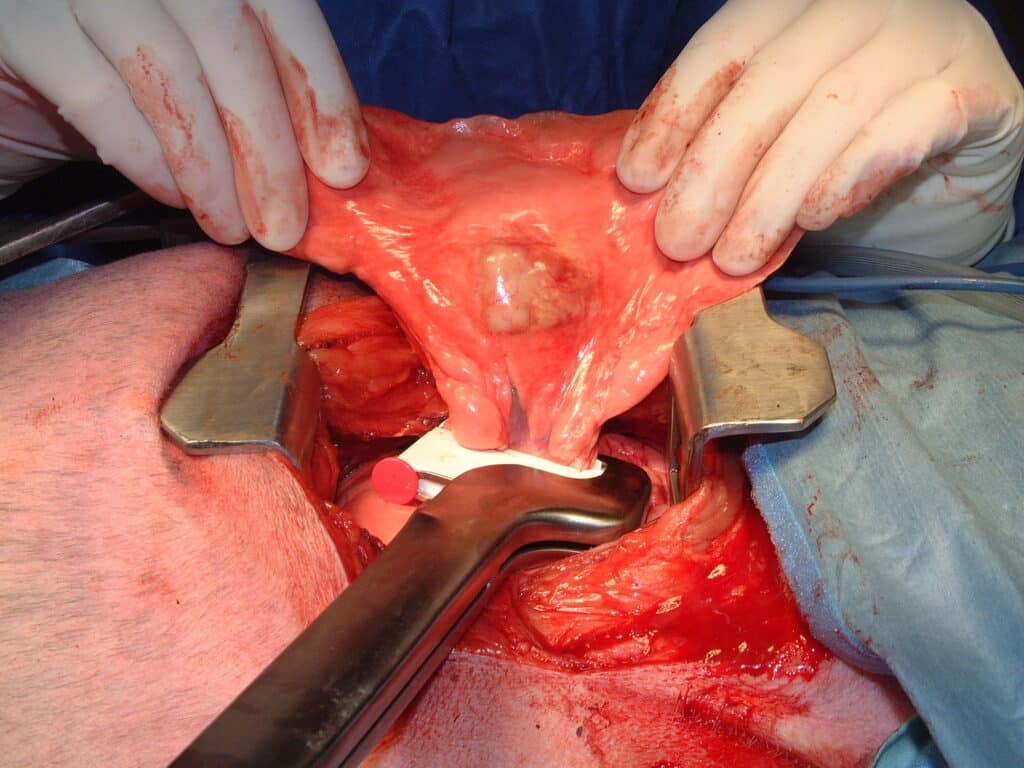
Spleen tumours in dogs can cause owners great concern. A sound knowledge of this disease is therefore crucial in order to make the right decisions for the health of your four-legged friend.
Spleen tumour in dogs Read More »
A thorough medical history is invaluable when diagnosing neurological diseases in older pets. Often, it is the pet owners who notice subtle changes in their animals' behavior. This frequently allows for a precise and timely diagnosis.
Neurological diseases Read More »
This study investigates the genomic alterations in canine splenic hemangiosarcoma (HSA), a severe form of cancer that affects endothelial cells in dogs and is characterized by its aggressiveness and short survival time. The research aims to develop a fundamental understanding of the HSA genomic landscape in order to develop therapeutic strategies for dogs and to gain insights into human angiosarcoma, a comparable and rare aggressive cancer.
Canine splenic hemangiosarcoma (HSA) Read More »
The sun is shining, the flowers are blooming and everyone is drawn outside. But summertime also brings with it numerous insects. An unexpected bite can be particularly challenging for our four-legged friends. We will show you the best way to act in such a situation and help your dog quickly and effectively.
Excessive hair loss in dogs is a complex issue that often requires accurate diagnosis and individualized treatment. Close collaboration with your veterinarian is essential for early detection and effective treatment. Every dog is unique, and what works for one dog may not work for another. Therefore, careful observation and expert veterinary care are key to a healthy and happy dog.
Recognizing pain in a dog can be a real challenge. While humans can verbalize their pain, a dog must show it through behavior and physical symptoms. But what exactly is pain in dogs, and how can you recognize and treat it? We'll give you a comprehensive overview.