
Tracheal Collapse in Dogs: Everything You Need to Know
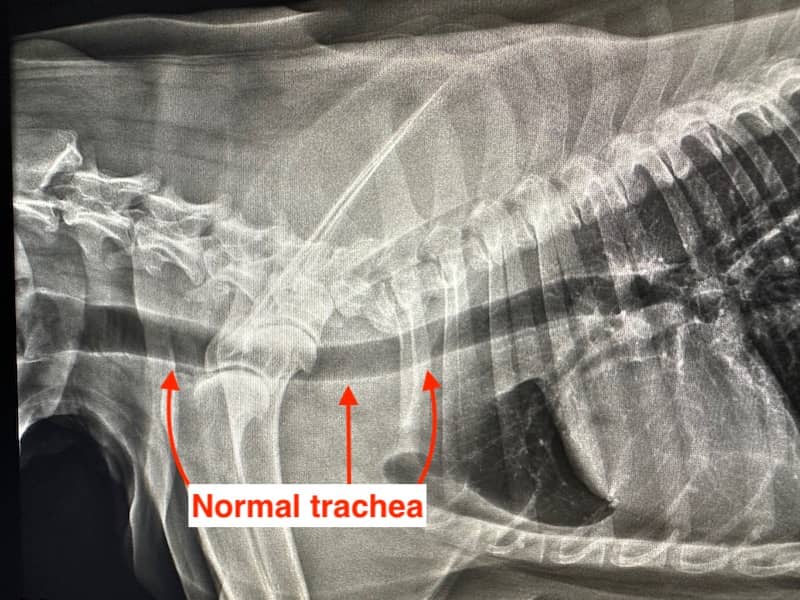
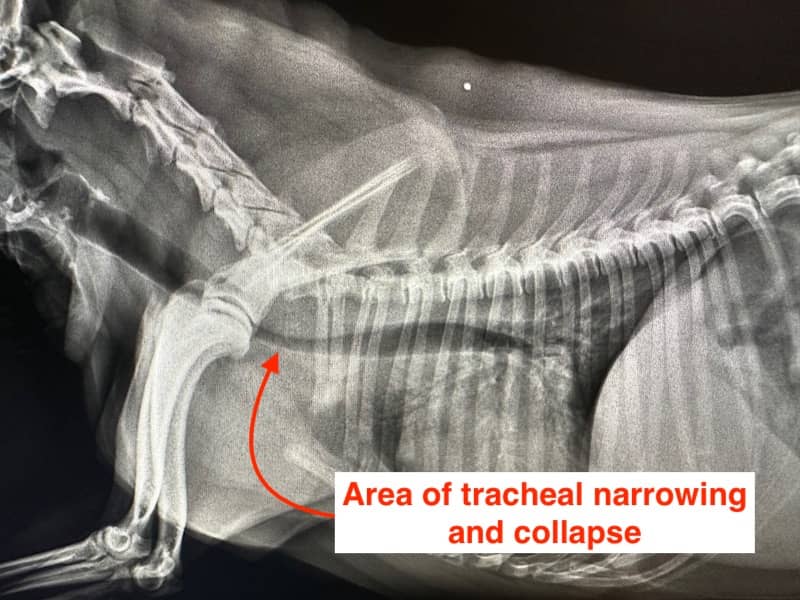
(C) https://www.kingsdale.com/tracheal-collapse-in-dogs-causes-symptoms-and-treatment
Introduction to tracheal collapse (collapsed windpipe)
Unfortunately, there are also less pleasant topics in the world of our beloved dogs. One of these is tracheal collapse (collapsed windpipe) in dogs. In this article we will get to the bottom of the question of what exactly this disease is and how it occurs. We will also show you what symptoms indicate this and what treatment options are available.
But don't worry, we won't leave you out in the cold! We also give you helpful tips on how you can support your dog in everyday life and which preventive measures make sense.
Without further ado, let’s get into the topic!
Causes of tracheal collapse (collapsed windpipe) in dogs
Genetic predisposition
Unfortunately, some dog breeds are more affected by tracheal collapse than others. Small breeds such as the Yorkshire Terrier, Chihuahua and Pomeranian are particularly high-risk candidates. These breeds may have a weakness in the cartilage of the trachea from birth, which can lead to collapse over the course of life.
Overweight
Another risk factor is the dog's body weight. Overweight dogs are at increased risk of developing tracheal collapse because the extra weight puts pressure on the windpipe.
Age and wear
As dogs age, the cartilage rings of the trachea can wear down and become weaker. This can lead to narrowing of the trachea and eventual collapse.
Symptoms of tracheal collapse in dogs
If your dog is affected by tracheal collapse (collapsed windpipe), the following symptoms may occur:
- Cough that often sounds dry and barking
- Shortness of breath
- Vomiting or retching
- Blue tongue or gums due to lack of oxygen
- Weakness or collapse
If you notice one or more of these symptoms in your dog, it is advisable to see a veterinarian.
Diagnosis and treatment options for tracheal collapse (collapsed windpipe)
diagnosis
To diagnose tracheal collapse in dogs, the veterinarian will perform a thorough examination and may take x-rays. In some cases, a tracheal endoscopy may also be necessary.
Conservative treatment
In many cases, tracheal collapse in dogs can be treated conservatively. These include measures such as:
- Weight reduction for overweight dogs
- Using a chest harness instead of a collar
- Avoiding environmental stimuli such as smoke, dust or strong smells
- Drug treatment to reduce inflammation and swelling of the trachea
- Administration of cough suppressants or bronchodilators
Surgical treatment
In more severe cases or when conservative treatment is not sufficient, surgery be considered. A prosthesis is usually used to stabilize the trachea and prevent it from collapsing again. The success rate of such procedures is high, but there is also a certain risk of postoperative complications.
Prevention and prognosis
To minimize the risk of tracheal collapse in your dog, you should pay attention to the following points:
- Keep your dog's weight within a healthy range to avoid unnecessary pressure on the windpipe.
- Use a chest harness instead of a collar to reduce strain on the trachea.
- Be sure to have your dog regularly examined by a veterinarian to catch any potential problems early.
The prognosis for dogs with tracheal collapse depends on the severity of the condition and the treatment chosen. In many cases, the dog's quality of life can be significantly improved through conservative measures or surgery.
Frequently Asked Questions (FAQs)
How can I tell if my dog is suffering from tracheal collapse?
Watch for symptoms such as coughing, shortness of breath, vomiting or choking, blue tongue or gums, and weakness or collapse. If you notice such signs, you should have your dog examined veterinarian
Is a tracheal collapse in dogs life-threatening?
In severe cases, tracheal collapse can be life-threatening if the dog does not receive enough oxygen. In such situations, immediate veterinary treatment is required.
How long does it take for a dog to recover after surgery to treat tracheal collapse?
Recovery time varies depending on the severity of the procedure and the dog's overall health. Typically, dogs need several weeks to months to fully recover after surgery to treat tracheal collapse.
Conclusion
Tracheal collapse (collapsed windpipe) in dogs is a serious condition, but one that can be successfully treated in many cases. Early detection and appropriate treatment are crucial to maintaining or even improving your dog's quality of life.
By paying attention to your dog's health, keeping his weight within a healthy range, and making regular vet visits, you can help minimize the risk of tracheal collapse. If your dog is affected by this disease, both conservative and surgical treatment options are available to enable your four-legged friend to live a pain-free life.
Overall, as a responsible dog owner, it is important that you are well informed and take the right measures in the event of a tracheal collapse (collapsed windpipe) in your dog. In this way, you can help ensure that your faithful companion leads a happy and healthy life despite this illness.