
Recently a sweet puppy came to us in a very weak condition - diarrhea, vomiting and a painful, swollen stomach - as a new dog owner you might not immediately think of something bad. But these can also be signs of an intestinal obstruction. Especially in young dogs, the so-called intussusception , an invagination of an intestinal segment, is sometimes the cause of this.
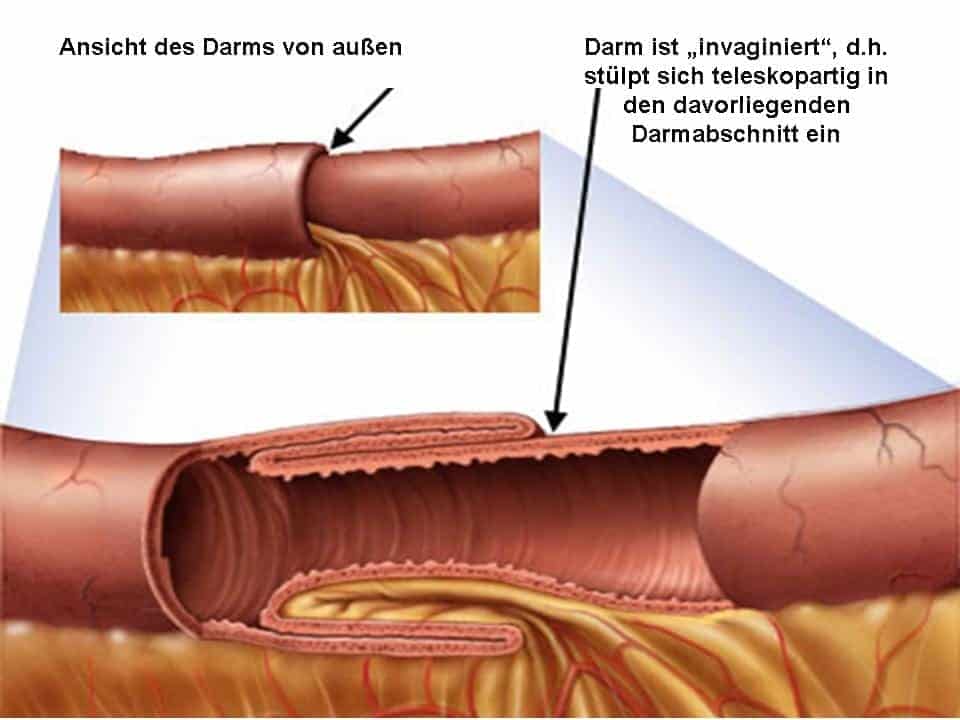
Obstructions and narrowing of the intestines can vary greatly. The food can then no longer pass through or can only pass through to a limited extent. The narrowing can be in the duodenum, small intestine, appendix area or large intestine. The cause can be swallowed objects, twisting or invagination of the intestine. If the blood supply is cut off, sections of the intestine can die.
Symptoms of an obstruction include vomiting, loss of appetite, poor general health and diarrhea. In more severe cases, abdominal pain occurs. In advanced illnesses, dry mucous membranes and an accelerated heartbeat are noticeable - indications of internal poisoning by bacteria.
The best method for diagnosis is an abdominal ultrasound scan.
An intestinal obstruction must be treated surgically immediately!
In this case, the little patient was able to leave us clean and happy after three days. We wish her a long dog life!
General information about intestinal obstruction in dogs - intussusception
Introduction
Intestinal obstruction in dogs, also known as intussusception, is a serious and potentially life-threatening condition. It occurs when part of the intestine invades an adjacent section, preventing the normal passage of food and liquid. In this article, we will explore the causes, symptoms, diagnosis, and treatment options for this condition to help dog owners keep their pet healthy and safe.
Causes of intestinal obstruction in dogs
- Congenital factors : Some dogs are born with a predisposition to intestinal obstruction. This may be due to an abnormality in the structure of the intestines or insufficient blood supply to certain parts of the intestine.
- Parasites : Worm infestations, especially in puppies, can cause intussusception. Tapeworms, roundworms, and hookworms are some of the most common parasites that can cause intestinal blockages in dogs.
- Foreign bodies : Dogs are prone to swallowing various objects which can then become lodged in the intestines and cause intussusception. Common foreign objects include bones, toys, stones and scraps of fabric.
- Inflammatory bowel disease : Chronic inflammation in the intestines can lead to thickening of the intestinal wall, which in turn can promote intussusception.
Symptoms and diagnosis
Symptoms of intestinal obstruction in dogs can vary, but some of the most common signs include:
- Vomit
- Diarrhea or constipation
- Loss of appetite
- Dehydration
- Abdominal pain and distension
- lethargy
To diagnose intestinal obstruction in dogs, the veterinarian perform a physical examination and may order blood tests and imaging tests such as X-rays or ultrasound. In some cases, an endoscopy may be necessary to determine the exact location and cause of the intussusception.
Treatment options
Treatment for intestinal obstruction in dogs depends on the severity of the condition and the underlying cause. In many cases, immediate surgical intervention is necessary to free the trapped section of intestine and prevent possible complications such as intestinal perforation or infection.
In less severe cases, the veterinarian may consider conservative treatment that includes fluid therapy, pain medications, and antibiotics. However, it is important to monitor the condition closely to ensure that complications do not arise and require surgical intervention.
Prevention and aftercare
To reduce the risk of intussusception in your dog, it is important to take some preventive measures:
- Regular deworming : Make sure your dog is dewormed regularly to minimize the risk of parasite infestations and resulting intestinal blockages.
- Pay attention to your dog's eating behavior : Monitor what your dog eats and prevent him from swallowing foreign objects that could cause an intestinal obstruction.
- Healthy diet : A balanced diet with enough fiber can help reduce the risk of intestinal problems.
After successful treatment of an intestinal obstruction, it is important to closely monitor your dog's recovery and follow all instructions from your veterinarian regarding aftercare. This includes regular check-ups, the administration of medication and, if necessary, a special diet.
Frequently asked questions in connection with intestinal obstruction/intussusception in dogs
What is intussusception in dogs?
An intussusception is an intestinal obstruction in dogs that occurs when part of the intestine invades an adjacent section, preventing the normal passage of food and fluid.
What are the most common causes of intestinal obstruction in dogs?
The most common causes of intestinal obstruction in dogs include congenital factors, parasitic infestation, swallowed foreign bodies, and inflammatory bowel disease .
What symptoms indicate an intestinal obstruction in a dog?
Common symptoms of intestinal obstruction in dogs include vomiting, diarrhea or constipation, loss of appetite, dehydration, abdominal pain and bloating, and lethargy.
How is intestinal obstruction diagnosed in dogs?
Diagnosing intestinal obstruction in dogs is done through a physical examination, blood tests, and imaging tests such as x-rays or ultrasound. In some cases, an endoscopy may be necessary.
How is intestinal obstruction in dogs treated?
Treatment depends on the severity of the condition and the underlying cause. In many cases, surgical intervention is required, while in less severe cases, conservative treatment may be considered.
Summary
In this article, we examined the causes, symptoms, diagnosis, and treatment options for intestinal obstructions in dogs - also known as intussusception. Causes include congenital factors, parasitic infestation, foreign bodies and inflammatory bowel disease. Common symptoms include vomiting, diarrhea or constipation, loss of appetite, dehydration and abdominal pain. Diagnosis is made through physical examination, blood tests and imaging tests. Treatment may include surgical intervention or conservative therapy, depending on the severity of the disease. Preventive measures such as regular deworming, monitoring feeding behavior and a healthy diet can reduce the risk of intestinal blockages.
outlook
Research into intestinal obstructions in dogs and their treatment is an ongoing process. Future studies could identify new therapeutic approaches and preventative measures to reduce the incidence and severity of this disease in dogs. Early detection and treatment of intestinal obstructions is crucial to ensure the well-being of our pets and avoid potential complications.