
Eyelid tumors in cats: causes, diagnosis and treatment
introduction
Eyelid tumors in cats are a serious condition that can be worrying for both the animal and the owner. In this article, we will explain in detail the causes, diagnostic options and treatment approaches for this condition.
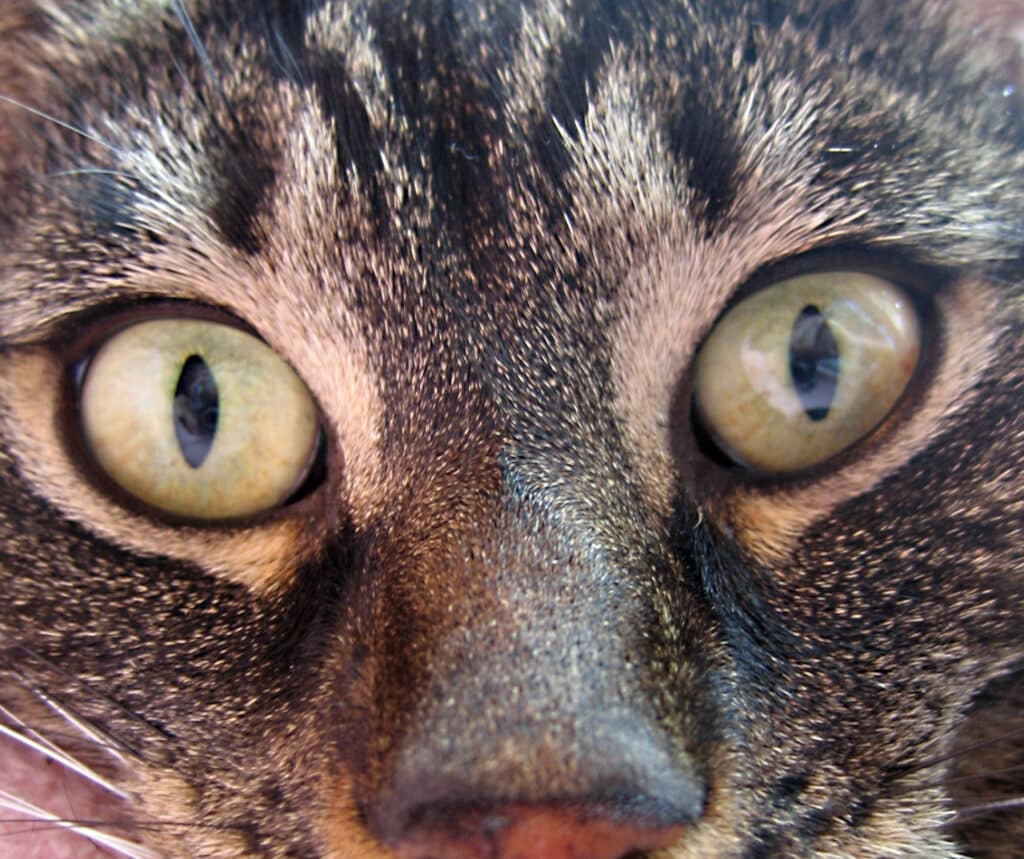
Causes of eyelid tumors in cats
There are several factors that can contribute to the development of eyelid tumors in cats. This includes:
- Genetic predisposition: Some cat breeds are more susceptible to eyelid tumors than others.
- Environmental factors: Pollutants, UV radiation and other environmental factors can promote the development of eyelid tumors.
- Chronic inflammation: Long-term inflammation in the eye area can increase the risk of tumor development.
Diagnosis of eyelid tumors in cats
Diagnosing eyelid tumors in cats can be done through various examinations:
- Clinical examination: The veterinarian carefully examines the affected eye for signs of a tumor.
- Imaging: X-rays, ultrasound, or computed tomography can help accurately determine the size and location of the tumor.
- Biopsy: A tissue sample of the tumor may be removed and examined histologically to determine the type of tumor.
Treatment of eyelid tumors in cats
Treatment for eyelid tumors in cats depends on the type and size of the tumor:
- Surgical removal: In many cases, the tumor can be completely removed through surgery.
- Radiation therapy: For certain types of tumors, radiation therapy can be used to shrink the tumor or prevent it from growing.
- Chemotherapy: In some cases, chemotherapy may be considered as an additional treatment option.
Prevention of eyelid tumors in cats
To minimize the risk of eyelid tumors in cats, the following measures can be taken:
- Regular Vet Visits: Early detection and treatment of eye problems can reduce the risk of developing tumors.
- Protection from UV radiation: Avoid excessive sun exposure and protect your cat's eyes with special sunglasses or protective cream.
- Healthy diet and environment: A balanced diet and a clean, pollutant-free environment can contribute to your cat's overall health and therefore reduce the risk of tumors.
Prognosis and long-term management
The prognosis for cats with eyelid tumors depends on several factors, such as the type and size of the tumor, the stage of the disease, and the treatment chosen. In many cases, a complete recovery can be achieved, especially if the tumor is detected and treated early. However, it is important to have regular follow-up visits with the vet to detect possible recurrences or complications early.
Frequently asked questions about eyelid tumors in cats
What are the causes of eyelid tumors in cats?
Possible causes of eyelid tumors in cats include genetics, environmental factors such as pollutants and UV radiation, and chronic inflammation in the eye area.
How is eyelid tumors in cats diagnosed?
Diagnosis of eyelid tumors in cats is done through clinical examination, imaging such as X-rays, ultrasound or computed tomography, and, if necessary, a biopsy of the tumor.
What treatment options are there for eyelid tumors in cats?
Treatment for eyelid tumors in cats depends on the type and size of the tumor and may include surgical removal, radiation therapy and/or chemotherapy.
How to prevent eyelid tumors in cats?
Preventative measures include regular veterinary visits , protection from UV radiation, and a healthy diet and environment for the cat.
What is the prognosis for cats with eyelid tumors?
The prognosis depends on various factors, such as the type and size of the tumor, the stage of the disease and the treatment chosen. In many cases, full recovery can be achieved, especially with early detection and treatment.
Summary
This article discusses the causes, diagnosis, and treatment of eyelid tumors in cats. Genetic predisposition, environmental factors and chronic inflammation can contribute to the development of eyelid tumors. Diagnosis is made by clinical examination, imaging and, if necessary, biopsy. Treatment options include surgical removal, radiation therapy and/or chemotherapy. The prognosis depends on various factors, but complete recovery is possible in many cases.
outlook
Research into eyelid tumors in cats continues to gain new insights into the development, diagnosis and treatment of this disease. Future advances in veterinary medicine could lead to improved treatment approaches and a better prognosis for affected animals. It is important that pet owners are informed about the risk factors, symptoms and possible treatment options for eyelid tumors in cats to ensure optimal care for their animals.