Adenovirus pneumonia
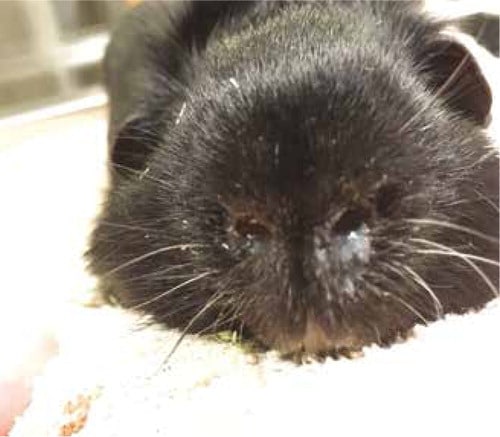
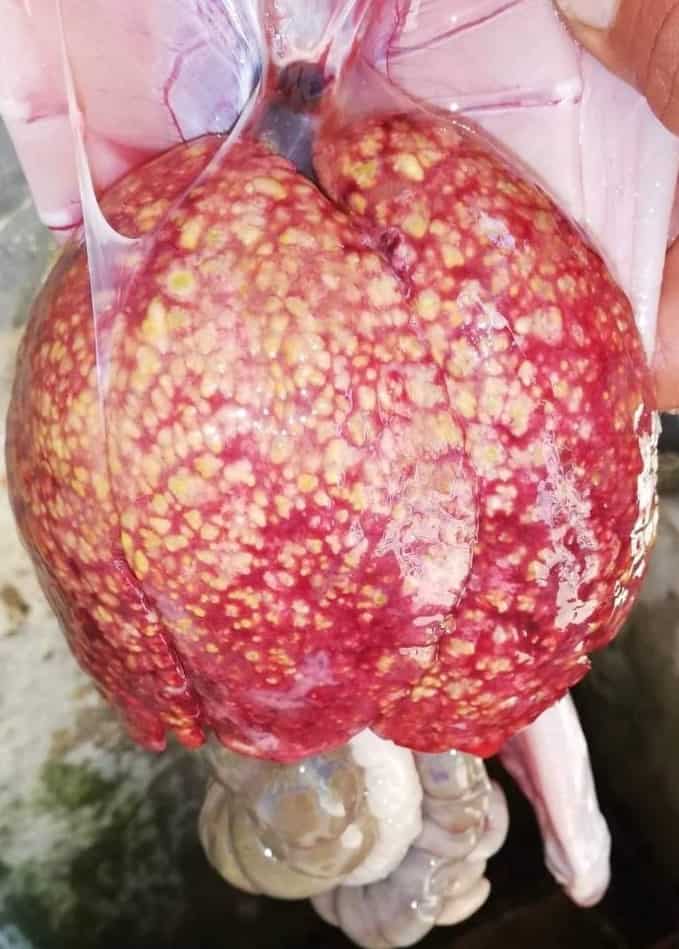
Adenovirus pneumonia is a serious and specific respiratory disease in guinea pigs. Caused by Guinea Pig Adenovirus (GPAdV), it particularly affects young, lactating animals and can lead to sudden deaths.
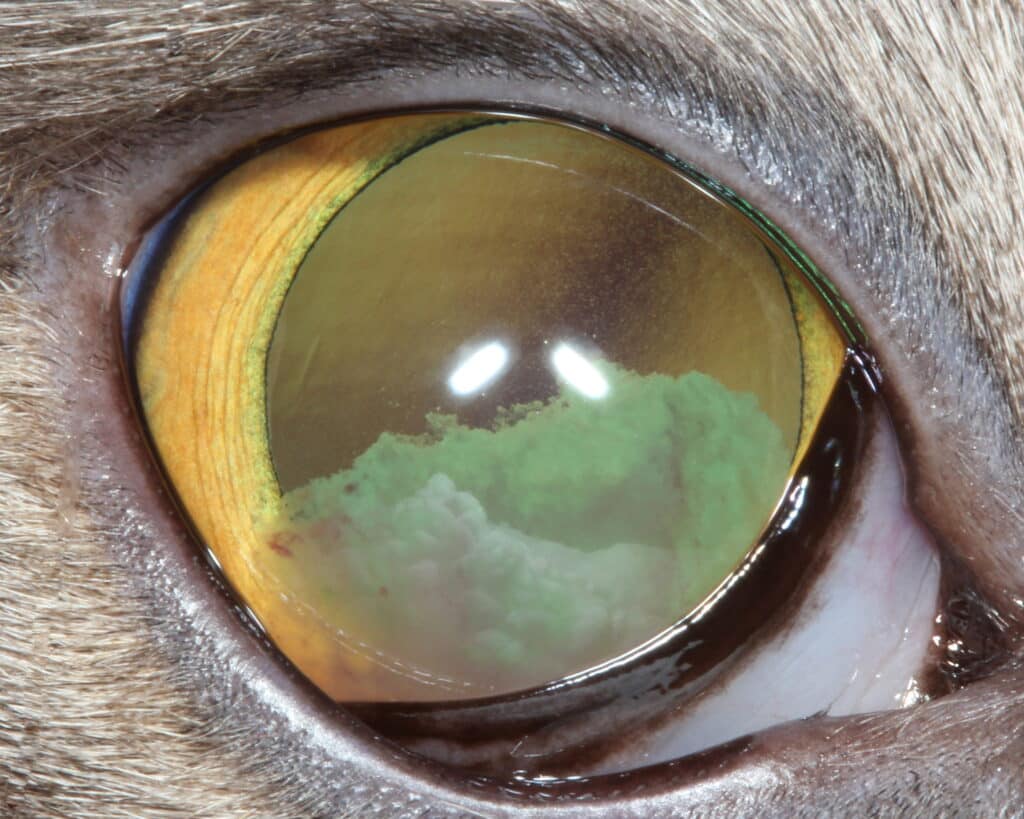
The uvea represents the vascular membrane of the eye and is made up of three main components: the iris (rainbow skin), the ciliary body and the choroid. The primary task of these structures is to ensure the blood vessel supply inside the eye. In medicine, the term “itis” refers to inflammation. Therefore, uveitis refers to the inflammation of these internal eye structures.
Myxomatosis, commonly known as rabbit disease or rabbit plague, is a serious viral disease that affects both domestic and wild rabbits. It is of great importance to be well informed about this disease in order to prevent its outbreak and minimize its effects.
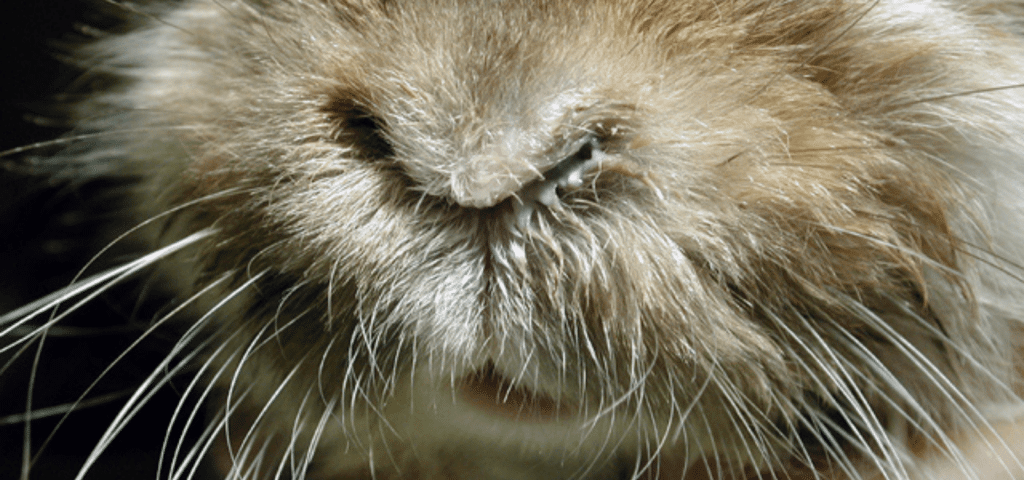
The health of our little furry friends is very important to us. Especially when it comes to illnesses like rabbit flu or a simple cold. So how can we differentiate between these two conditions and ensure our pets receive the best care?
Coccidia (lat. Coccidia/Coccidiasina) are one of the most common parasitosis in rabbits and pose a serious and often fatal threat, especially to young animals. This article offers you a detailed insight into the symptoms, diagnosis, therapy and prophylaxis of this complex disease.
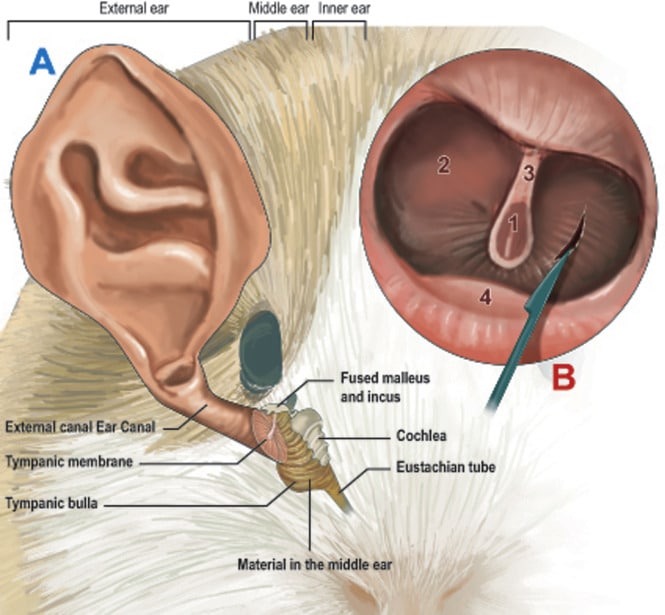
Otitis media, also known as middle ear infection, is a serious disease that often occurs in guinea pigs. It can be caused by both bacteria and viruses and often has serious health consequences.
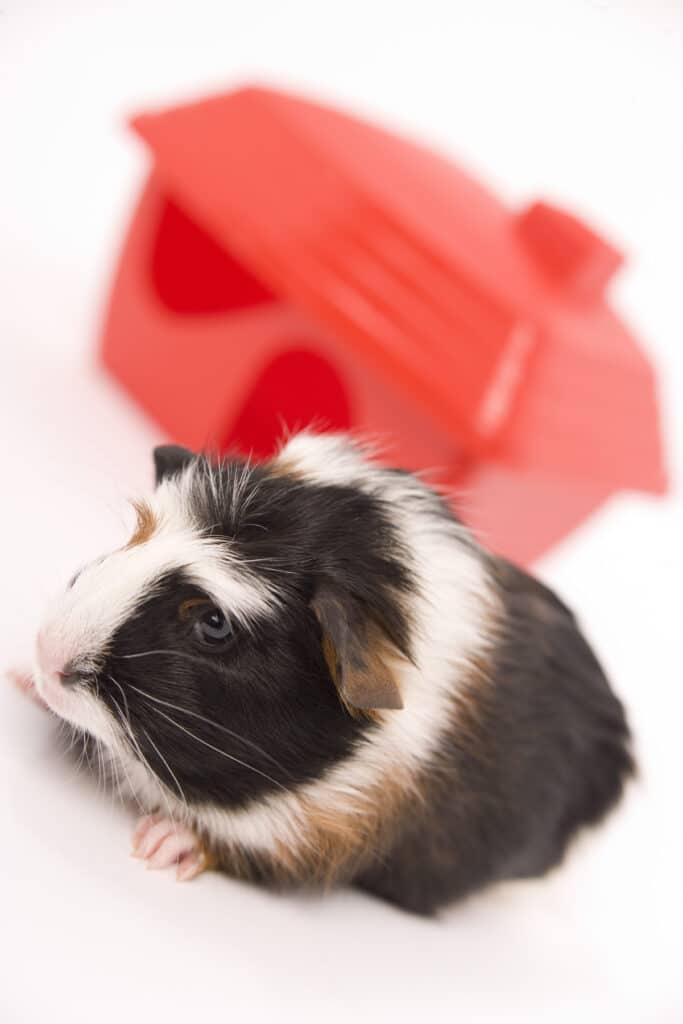
Guinea pigs are adorable companions and are very popular as pets. However, their posture requires diligent preparation and attention. They are by no means undemanding and require care tailored to their needs.
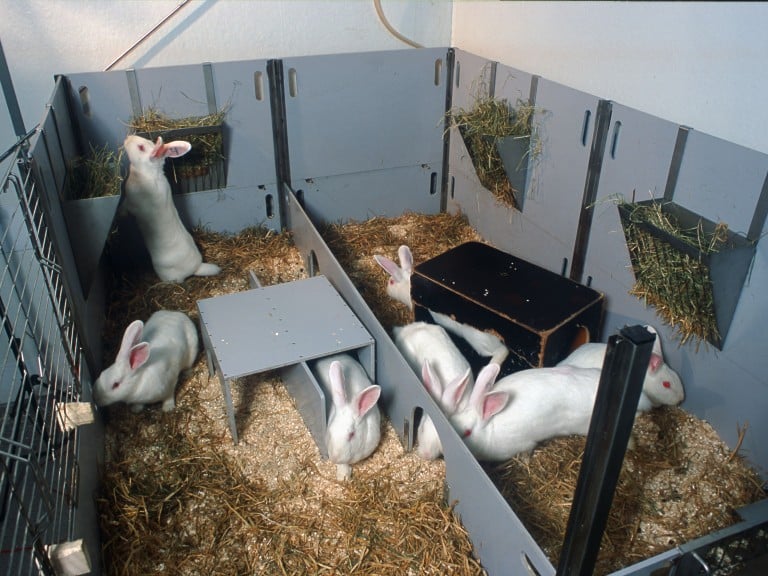
Proper rabbit care begins with the understanding that rabbits are social animals. Therefore, rabbits should always be kept in groups or at least in pairs. Keeping animals alone contradicts natural social behavior and can lead to behavioral problems.
Hamsters are fascinating and delicate animals whose cuteness appeals to all ages. However, it is important to understand that hamsters, whether they are golden hamsters, dwarf hamsters or other species, are not cuddly animals. They are demanding creatures with specific needs that, if ignored, can cause stress and discomfort. Their natural life cycle is largely nocturnal, which makes them less suitable for the average nursery routine.
Your rabbit's health depends heavily on its diet. Therefore, a lack of appetite, which manifests itself in a loss of appetite and refusal to eat, can be an alarm signal for various diseases. Here we take an in-depth look at the various causes and symptoms of reluctance to eat, how it is diagnosed and treated, and how it can be avoided.
Rabbits are small herbivores with a unique digestive system that sets them apart from other domestic animals such as dogs and cats. To ensure optimal health and well-being, it is important to provide proper nutrition and care and to watch for signs of digestive problems, such as gassing.
Cheyletiellosis, also known as fur mite infestation, is a parasitic skin disease that occurs in various types of domestic animals such as dogs, cats, rabbits and horses. Cheyletellae are ectoparasites that belong to the class of arachnids and feed on skin flakes. In this article, we will take an in-depth look at the various aspects of cheyletiellosis, including its symptoms, diagnosis, treatment, and prevention.
Shortness of breath, also called dyspnea, is a condition in which rabbits have difficulty breathing normally. There are several reasons why a rabbit may suffer from shortness of breath:
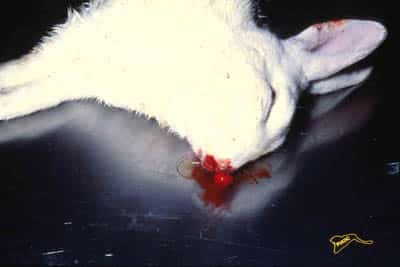
Bleeding wounds in animals can result from accidents, fights or injuries. It is important to act quickly and correctly to calm the animal and avoid further complications. In this article, we will discuss the different types of bleeding wounds, first aid measures, and treatment options in animals.
Hydrocyanic acid poisoning is a serious and potentially fatal threat to animals. In this article, we will discuss the causes, symptoms, diagnosis and treatment methods of hydrogen cyanide poisoning in animals.