Surgery

Surgical safety checklists

Surgical safety checklists

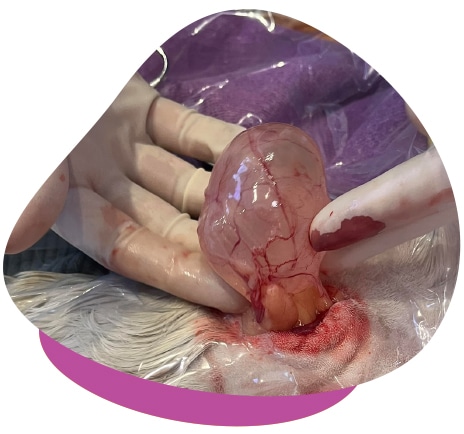
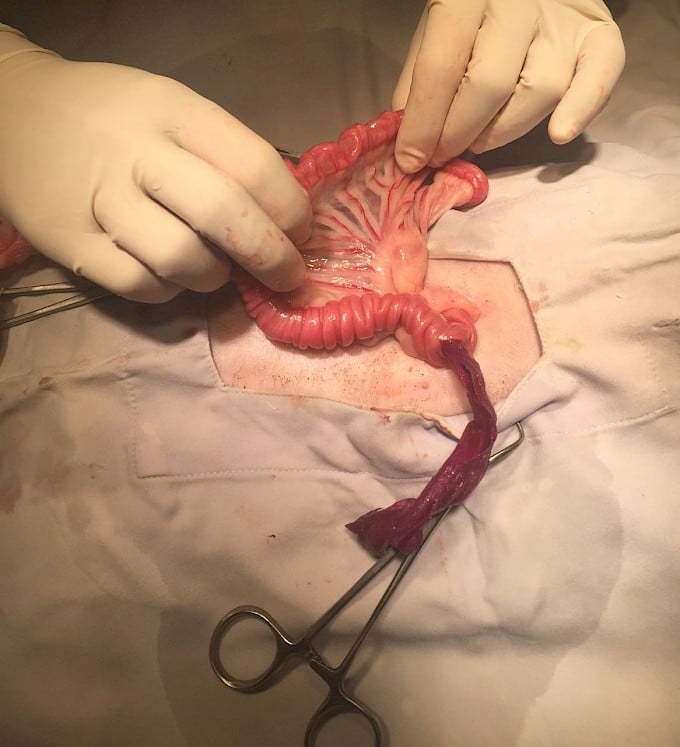
Surgical procedures are commonplace in veterinary medicine, but they always carry a certain risk of complications and errors. To minimize these risks, surgical safety checklists (SSCs) have proven to be a valuable tool. They provide a structured workflow that enables surgical teams to consistently implement safety-relevant measures. In human medicine, these checklists are already widely used and have demonstrably led to a reduction in complication rates and mortality. This article highlights the importance of SSCs in veterinary medicine, presents current research findings, and provides practical tips for their implementation.

Surgical safety checklists Read More »

Acute thoracolumbar disc extrusion

Acute thoracolumbar disc extrusion

A dog's spine consists of many individual vertebrae separated by intervertebral discs. These discs act as shock absorbers and allow for movement. In thoracolumbar disc extrusion, the inner, gel-like material of an intervertebral disc protrudes through the outer membrane and presses on the spinal cord. This can lead to pain, paralysis, and, in severe cases, loss of the ability to walk.

Acute thoracolumbar disc extrusion Read More »

Electrocardiogram (ECG) and anesthesia records

Electrocardiogram and anesthesia records

Anesthesia plays a central role in veterinary care and is routinely used in both diagnostic and therapeutic procedures. The choice of anesthetic protocol is crucial for the patient's safety and well-being. The electrocardiogram (ECG) has become an established and valuable tool for assessing cardiac function and can help identify potential risks early on. This article examines the role of the ECG in the pre-anesthetic examination, the findings of current studies, and how these findings can be implemented in practice.

Electrocardiogram and anesthesia records Read More »

Gel nail polish & bacterial survival

Gel nail polish & bacterial viability

Sterile surgical gloves are frequently punctured during surgical procedures, making effective hand disinfection essential to reduce the risk of postoperative wound infections. Bacteria can accumulate, particularly under the fingernails, and are difficult to remove. Traditionally, nail polish was thought to harbor germs and thus increase the risk of bacterial transmission to patients. Studies have been conducted in both human and veterinary medicine investigating the influence of nail polish on the bacterial load on fingernails – however, the results have been inconsistent.

Gel nail polish & bacterial viability Read More »

Leg amputation in dogs

Leg amputation in dogs

Hind limb amputations in dogs are palliative salvage procedures used in end-stage diseases, including complex fractures or chronic complications following previous osteosynthesis, appendicular neoplasms, extensive trauma, chronic non-healing wounds, or appendicular neuropathies (e.g., brachial plexus avulsion). Some amputations are unavoidable due to the financial constraints of pet owners. However, surgeons should always exhaust all other treatment options before performing an amputation. At the same time, it is important to fully educate pet owners about the risks, complications, and prognosis for their specific clinical case.

Leg amputation in dogs Read More »

Cancer in dogs

Cancer in dogs

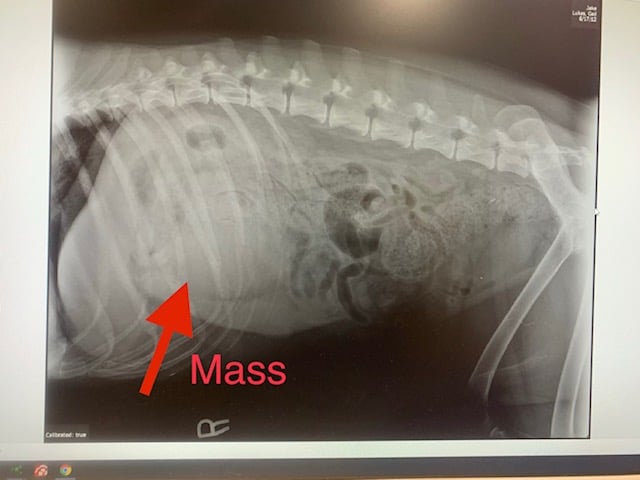
Cancer in dogs is one of the most common and serious illnesses many pet owners face. However, with the right information and early detection, many types of cancer can be successfully treated. This article provides a comprehensive overview of the causes, symptoms, and treatment methods of cancer in dogs and how you can improve your four-legged friend's quality of life.

Cancer in dogs Read More »

Pheochromocytoma in cats

Pheochromocytoma in cats

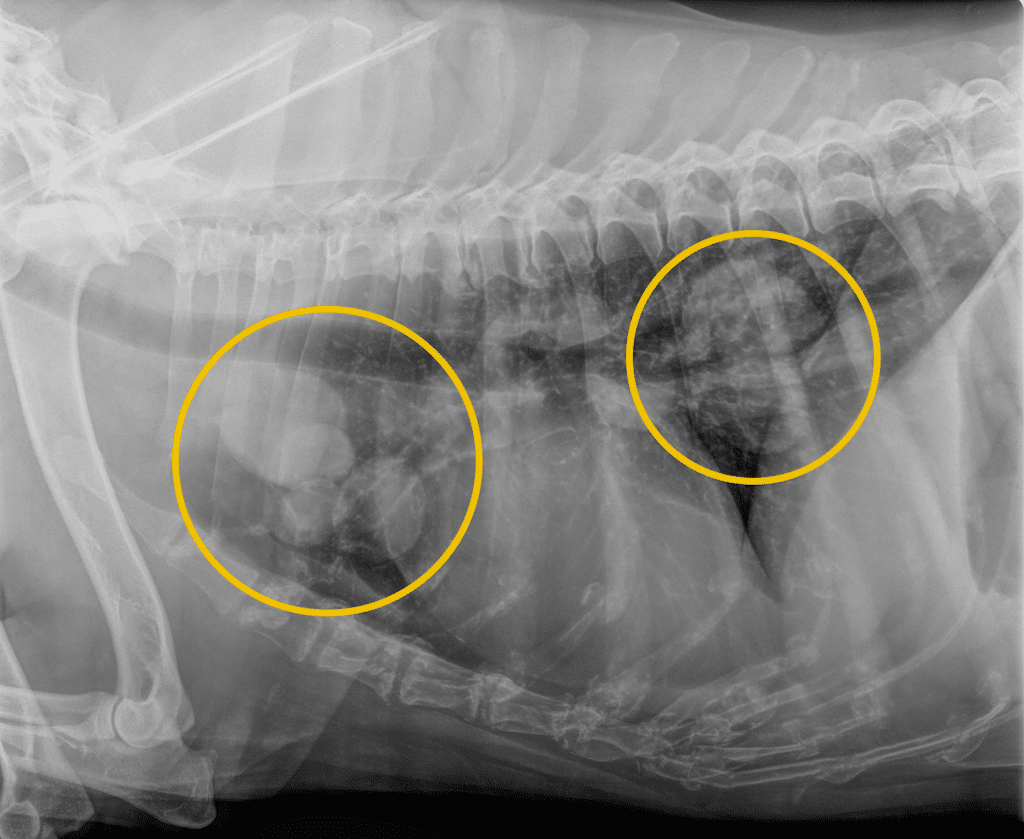
Pheochromocytoma in cats is a rare but clinically significant condition arising from the chromaffin cells of the adrenal medulla or the sympathetic paraganglia. These tumors typically produce excessive amounts of catecholamines such as adrenaline and noradrenaline, which can lead to a variety of symptoms. Although pheochromocytoma in cats is not frequently diagnosed, it is important to recognize this condition because it can have serious consequences if left untreated. The following is a comprehensive summary of the key aspects of pheochromocytoma in cats.

Pheochromocytoma in cats Read More »

peroperative hypothermia

Perioperative hypothermia

Perioperative hypothermia poses a serious challenge in the surgical setting and affects numerous patients under general or regional anesthesia. This condition occurs when the core body temperature falls below 36.0 °C and is particularly associated with increased risks of myocardial ischemia, wound infections, and prolonged effects of anesthetics. In this article, we offer a comprehensive analysis of the causes, prophylaxis, and effective therapeutic measures for preventing perioperative hypothermia.

Perioperative hypothermia Read More »

Suprelorin

Suprelorin Implant

For many dog owners, the decision to neuter their dog is one of the most difficult. On the one hand, there's the desire for a change in behavior, and on the other, the fear of irreversible consequences. The Suprelorin implant offers a way to test the effects of neutering beforehand, without having to take the final step. In this article, we examine in detail how the Suprelorin implant works, its applications, advantages, and disadvantages, providing comprehensive information to help you make an informed decision.

Suprelorin Implant Read More »

Diseases in the Affenpinscher

Diseases in the Affenpinscher

The Affenpinscher, an ancient German dog breed, belongs to the Pinscher and Schnauzer, Molossoid and Swiss Mountain and Cattle Dog group. The breed was first documented in the 17th century and originated in Germany. The Affenpinscher was probably created by crossing Belgian Griffons with rough-haired Pinschers. They were originally used as rat and mouse hunters in households and stables, which earned them a reputation as tireless pest controllers.

Diseases in the Affenpinscher Read More »

Portosystemic shunt operation

Portosystemic shunt operation

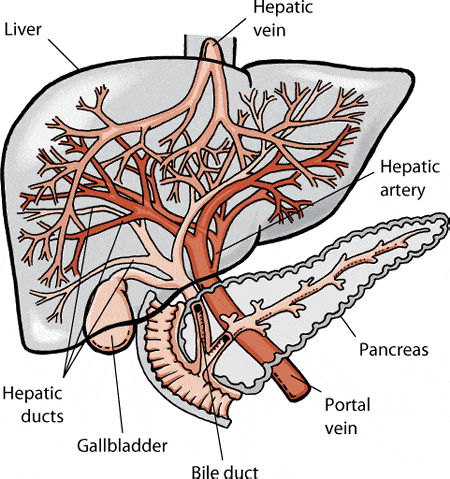
The health of our pets is our top priority. One of the most serious diagnoses a dog owner can receive is a portosystemic shunt (PSS). This congenital or acquired vascular anomaly causes blood to bypass the liver, which can lead to serious health problems. In this post, we share our experience with the portosystemic shunt surgery for our little Luna and would especially like to thank Dr. Stephanie Florian, DVM, Dipl. ECVS, for her outstanding support and guidance.

Portosystemic shunt operation Read More »

Burmese head defect

Burmese head defect

Burmese head defect (BKH) is a genetic anomaly found specifically in the Burmese cat breed. This condition affects skull growth and development and can lead to significant health problems. In this comprehensive article, we explore the causes, symptoms, and treatment options for Burmese head defect to provide cat owners and breeders with a complete understanding and help them ensure the best possible care for their animals.

Burmese head defect Read More »

Epidural anesthesia for TPLO

Epidural anesthesia for TPLO

In today's world, the well-being of our animal companions is of paramount importance. As responsible pet owners and veterinary professionals, we constantly strive to alleviate the pain of our beloved dogs and cats. In this context, local anesthesia has brought about a revolutionary change in veterinary practice. In this article, we will examine in detail the benefits, techniques, and latest advancements of local anesthesia in dogs and cats.

Epidural anesthesia for TPLO Read More »

Scroll to Top